The intersection of high-stakes geopolitics and corporate evolution took center stage in the latest dispatch from Bloomberg Technology, highlighting a period of intense volatility for the world’s most influential tech giants. From the shifting sands of the Middle East to the executive suites of Silicon Valley, the report paints a picture of an industry currently forced to prioritize physical security and structural pivoting over unbridled growth.
The most immediate impact is being felt in the Persian Gulf, where the escalating war in Iran is directly hampering global digital infrastructure. U.S. Defense Secretary Pete Hegseth provided updates on the conflict’s progression, emphasizing the risks now facing commercial interests in the region. These threats have hit home for Meta, which recently paused construction on a critical subsea internet cable system. The decision follows a series of missile attacks that have rendered the waters too dangerous for installation crews, signaling a new era where geopolitical warfare can physically sever the arteries of the global internet.

Within the corporate landscape, the era of stable leadership appears to be fracturing. Adobe CEO Shantanu Narayen announced his intention to resign after an 18-year tenure. The departure comes at a sensitive time for the software giant; despite its long-standing market dominance, investors have grown increasingly skeptical about Adobe’s ability to defend its territory against a new wave of nimble AI-native competitors. Meta is facing similar headwinds in the artificial intelligence race, with reports surfacing that the company has delayed its latest AI model after internal benchmarks showed it lagging behind rival systems.
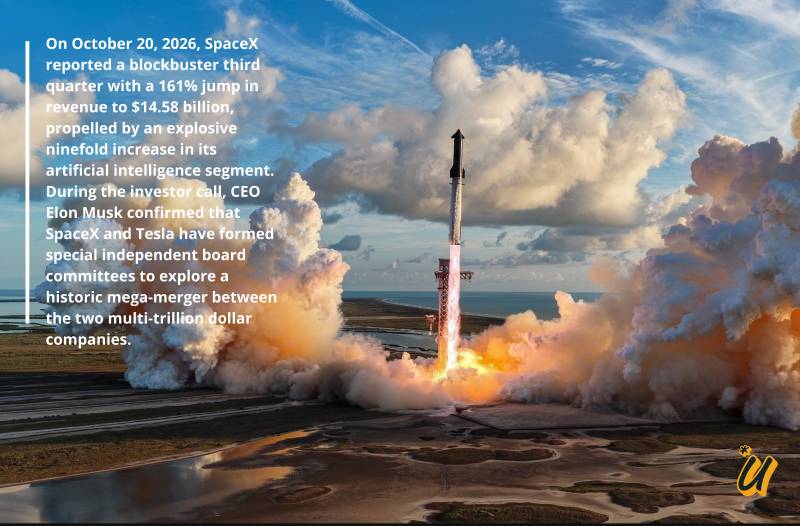
However, the news was not entirely defined by setbacks. In the aerospace and financial sectors, SpaceX is positioning itself for a historic market debut. The S&P Dow Jones Indices is reportedly weighing rule adjustments that could fast-track SpaceX into the S&P 500 immediately following its highly anticipated IPO. This momentum is bolstered by SpaceX’s finalized acquisition of xAI, a move that significantly tightens the strategic synergy between Elon Musk’s aerospace firm and Tesla.
Infrastructure and expansion remain key themes across the broader sector. Amazon’s AWS is diversifying its hardware dependency, announcing plans to integrate chips from the startup Cerebras alongside its proprietary processors by 2026. In the fintech space, Ramp continues its aggressive global scaling by acquiring the European payments platform Billhop. Meanwhile, in the automotive sector, Lucid Motors CFO Gabi Gavi (Gabi Bus) outlined a long-term roadmap for the luxury EV maker, targeting positive free cash flow by the end of the decade as the company navigates a challenging capital environment.