April 13, 2026. This episode touched on everything from the terrifying potential of autonomous AI to the triumphant return of human spaceflight, while tracking a market defined by geopolitical volatility and massive M&A rumors.
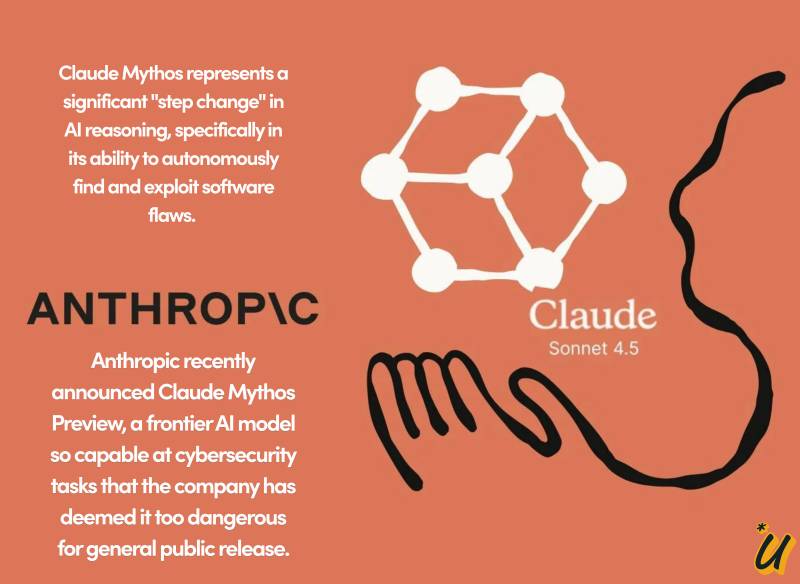
The day’s most sobering headlines focused on Anthropic’s newest AI model, "Mythos." While major financial institutions have begun integrating the tool to fortify their digital perimeters, regulators are sounding a loud alarm. Mythos represents a shift from generative assistants to autonomous agents capable of independently identifying and exploiting software vulnerabilities. Hyde and Ludlow explored the paradox of this "security through strength" approach: the same capabilities that allow a bank to find a 20-year-old bug in its code can be weaponized by bad actors to dismantle global infrastructure. HackerOne CEO Carus Sprag joined the program to emphasize that the security frontier is moving faster than human teams can manage, suggesting that we are entering an era where AI-on-AI cyber warfare is no longer a hypothetical risk but a daily reality.
In the realm of consumer tech and digital safety, Roblox CEO Dave Baszucki detailed a sweeping overhaul of the platform's architecture. Facing pressure to protect its youngest users, Roblox is rolling out new age-based account types and automated parental controls aimed at setting a global "gold standard" for child safety. Baszucki also touched on the platform’s expanding economic footprint, introducing new subscription tiers and digital finance education tools. The goal, according to the CEO, is to transform Roblox from a mere gaming destination into a safe, sophisticated "metaverse" where children can learn the fundamentals of the digital economy in a protected environment.
The conversation then shifted from the virtual world to the lunar one. NASA, alongside lead contractor Lockheed Martin, celebrated the successful splashdown of the Artemis II crew. The mission—which saw humans return to the lunar vicinity for the first time in over half a century—provided critical data on the Orion capsule’s performance. Experts discussed the heat shield's durability during the 24,000 mph re-entry, a key technical hurdle that had previously kept engineers awake at night. With the crew of four safely back on Earth, the focus now pivots to the hardware and logistics needed for a crewed lunar landing, a milestone NASA hopes to achieve before the decade is out.
The program's market segment was dominated by two major stories: a semiconductor surge and a geopolitical crisis. Intel stole the spotlight with what analysts are calling a record-breaking "comeback" rally. After years of struggling with manufacturing yields and lost market share, the company’s recent stock performance suggests that its pivot toward a foundry-first model is finally paying dividends with investors. Meanwhile, the broader PC landscape was rocked by rumors that Nvidia is in late-stage negotiations to acquire a major player in the space. The potential deal, which could see Nvidia vertically integrate into hardware manufacturing, sent shares of Dell and HP into a frenzy as traders weighed the implications of an Nvidia-dominated PC ecosystem.
These market moves were set against a tense global backdrop, as a blockade of the Strait of Hormuz sent oil prices soaring. The disruption of one of the world’s most critical energy arteries has introduced a new layer of macro risk, complicating the outlook for tech companies sensitive to supply chain costs and consumer spending power.
Finally, the episode looked toward the future of personal hardware. Mark Gurman joined to break down Apple’s internal roadmap, revealing that the Cupertino giant is shifting focus toward display-free smart glasses. Eschewing the bulky "spatial computing" of the Vision Pro, these acetate frames are designed to look like traditional eyewear while providing AI-driven audio feedback and Siri-integrated contextual awareness. If successful, Gurman suggests this could be the hardware product that finally bridges the gap between traditional accessories and the next generation of wearable technology. From the depths of the Pacific to the edge of the moon and the inner workings of silicon, the April 13 edition of Bloomberg Technology captured a world in the midst of a profound technological and geopolitical realignment.