Wednesday, April 8, 2026 - The global technology sector underwent a massive recalibration today as a brokered two-week ceasefire between the United States and Iran triggered a significant relief rally across global equity markets. While the truce is viewed as inherently fragile, the immediate impact on the tech ecosystem—particularly the high-stakes semiconductor and artificial intelligence sectors—has been profound. In tandem with these geopolitical shifts, the industry is grappling with a new generation of autonomous AI models, a multibillion-dollar rush to fund the infrastructure of the future, and a fundamental identity crisis among the world's largest digital platforms.
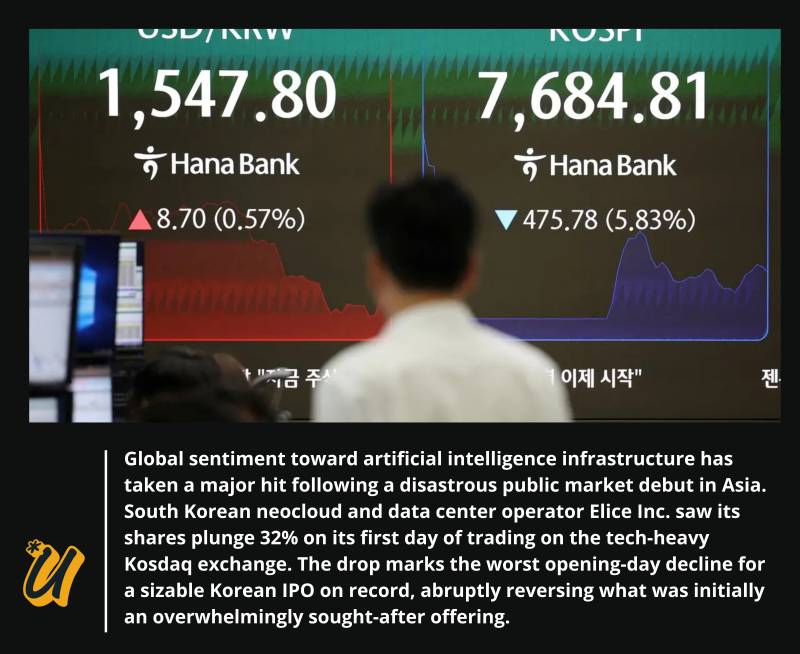
The ceasefire, which took effect earlier this week, has already begun to reshape market dynamics. Tech stocks, which had been battered by the threat of escalating conflict and supply chain uncertainty, led the charge in today’s trading. The semiconductor and memory sectors saw the most aggressive gains, as investors bet on a stabilized logistics corridor and the preservation of critical manufacturing routes. Simultaneously, the energy market experienced a historic correction. Brent crude prices saw a record decline as traders priced out the immediate "conflict premium" that had pushed oil toward $100 a barrel.
However, the mood on trading floors remains one of "cautious optimism" rather than outright celebration. Despite the formal pause in direct hostilities, the situation remains highly volatile. Reports of regional drone attacks on secondary pipelines and continued navigation bottlenecks in the Strait of Hormuz suggest that the global energy and logistics supply chain is far from returning to normalcy. For the tech industry, which relies on the seamless movement of components through these exact corridors, the next fourteen days represent a critical window of observation to see if the de-escalation can transition from a temporary pause to a durable peace.

While the markets focused on the Middle East, a different kind of breakthrough emerged from the AI sector. Anthropic has begun a limited rollout of its most powerful model to date, codenamed "Mythos." In a departure from the traditional public release cycle, Anthropic is granting early access specifically to select tech firms and competitors. The objective of this "Project Glasswing" initiative is defensive: Mythos possesses an unprecedented ability to identify and patch critical software vulnerabilities. By allowing the industry to use the model to find "zero-day" flaws in their own systems before they can be exploited by bad actors, Anthropic is attempting to set a new standard for responsible AI deployment. Internal benchmarks suggest Mythos can identify 27-year-old bugs in hardened systems that had escaped human detection for decades, highlighting both the promise and the latent danger of autonomous reasoning.
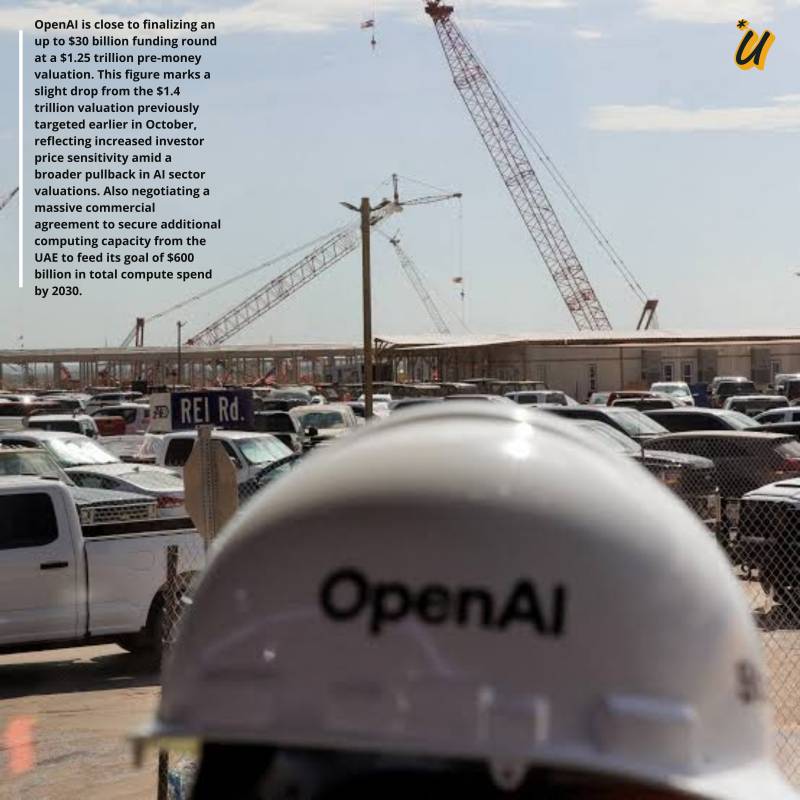
The sheer scale of the hardware required to run models of this caliber was also on full display today. Oracle is reportedly in advanced discussions with PIMCO for a massive $14 billion debt financing deal. The capital is earmarked for a sprawling new data center—part of the "Stargate" project—which aims to provide the raw computing power necessary for the next phase of LLM development. This deal underscores a growing trend in Silicon Valley: the shift toward massive, project-level financing to shield corporate balance sheets from the astronomical costs of the AI arms race. With individual data centers now carrying price tags equivalent to the GDP of small nations, the partnership between traditional high-finance giants like PIMCO and tech titans like Oracle is becoming the new industry standard.
Apple, meanwhile, is facing its own set of pressures as it nears its most significant product pivot in a decade. Despite persistent rumors of manufacturing delays and hinge durability issues, new reports indicate that the company is still on track to launch its first foldable iPhone in September. Positioned as the "iPhone Ultra," the device is expected to debut alongside the iPhone 18 series. This launch is more than just a hardware refresh; it represents Apple’s answer to years of dominance by Samsung and Chinese manufacturers in the foldable category. With a projected price point exceeding $2,000, the device will test whether consumers are ready to pay a premium for a tablet-smartphone hybrid that integrates Apple’s increasingly "agentic" software capabilities.
The concept of "Agentic AI" was a central theme in today’s discussions, notably championed by Snowflake CEO Sridhar Ramaswami. In an interview, Ramaswami detailed the shift away from AI as a mere "chatbot" toward AI as a "worker." This new paradigm involves autonomous agents that do not just provide answers but execute complex workloads—filing reports, managing databases, and negotiating contracts—on behalf of the user. This transition is expected to fundamentally alter enterprise software, moving the value proposition from "information retrieval" to "task completion."
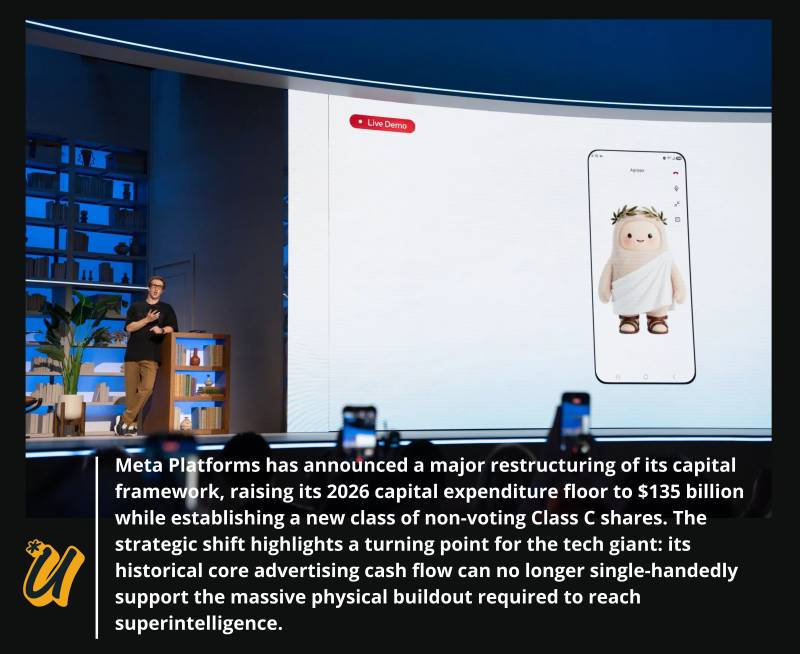
Finally, a broader cultural shift is occurring among the titans of the internet. Companies like Meta, TikTok, and YouTube are increasingly moving to distance themselves from the term "social media." In an effort to escape the regulatory scrutiny and social stigma now attached to the category, these firms are rebranding as "entertainment," "discovery," or "community" platforms. While executives argue this more accurately reflects a shift toward algorithmic broadcasting rather than personal networking, critics suggest the rebranding is a tactical move to sidestep new digital safety laws. Whether a change in terminology can truly rehabilitate the public image of these platforms remains one of the most debated topics of the year.
As the ceasefire continues to hold, the tech industry finds itself at a crossroads. Between the geopolitical reprieve, the rise of defensive AI, and the massive capital investments in infrastructure, the landscape of 2026 is being defined by a move toward autonomy—both in how machines think and how the industry finances its future.