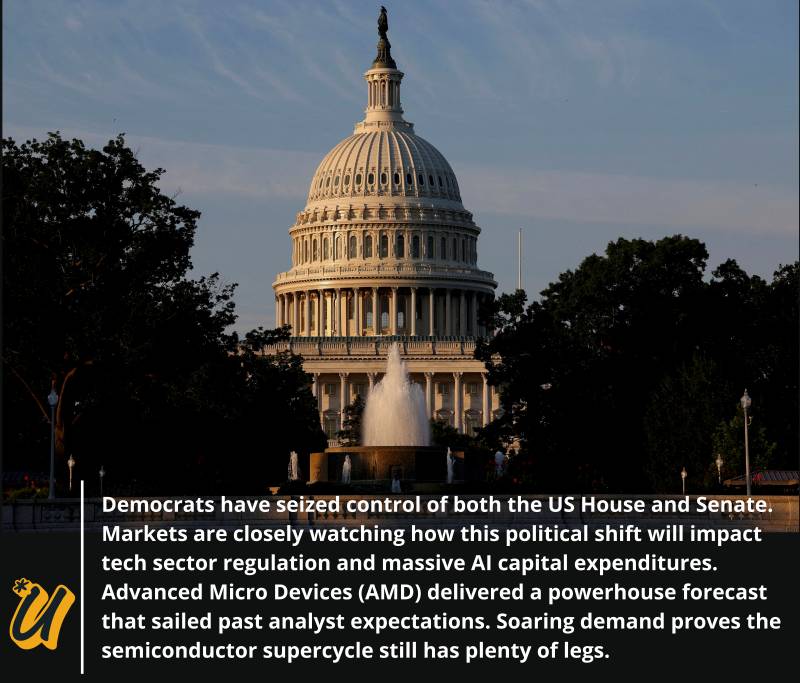
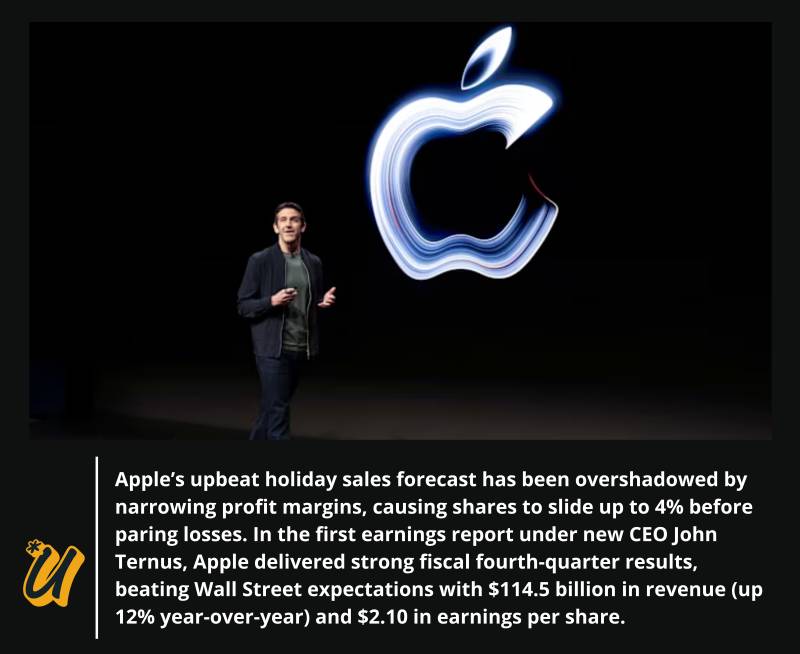
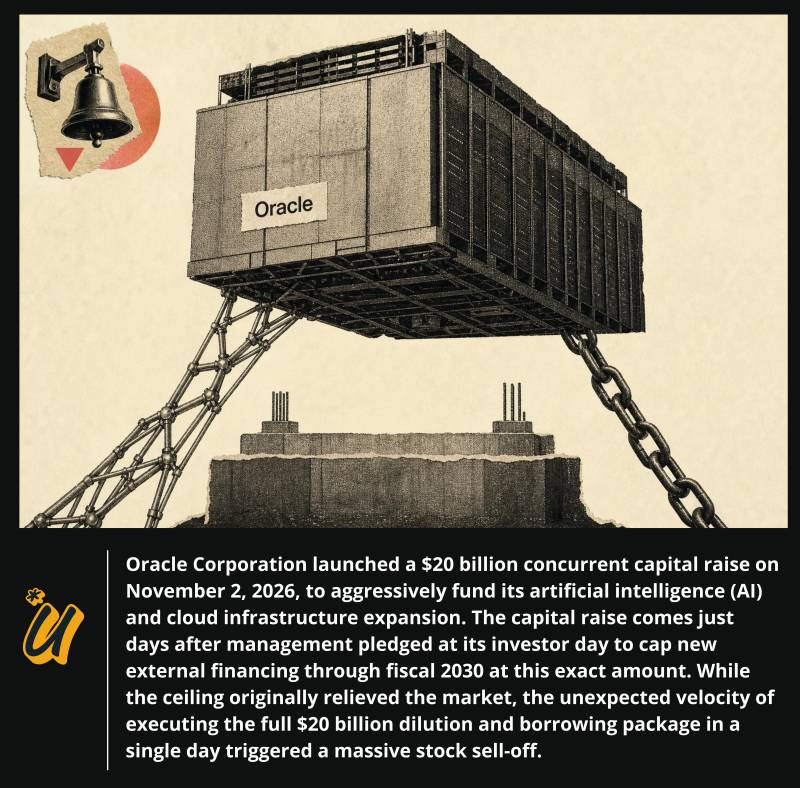
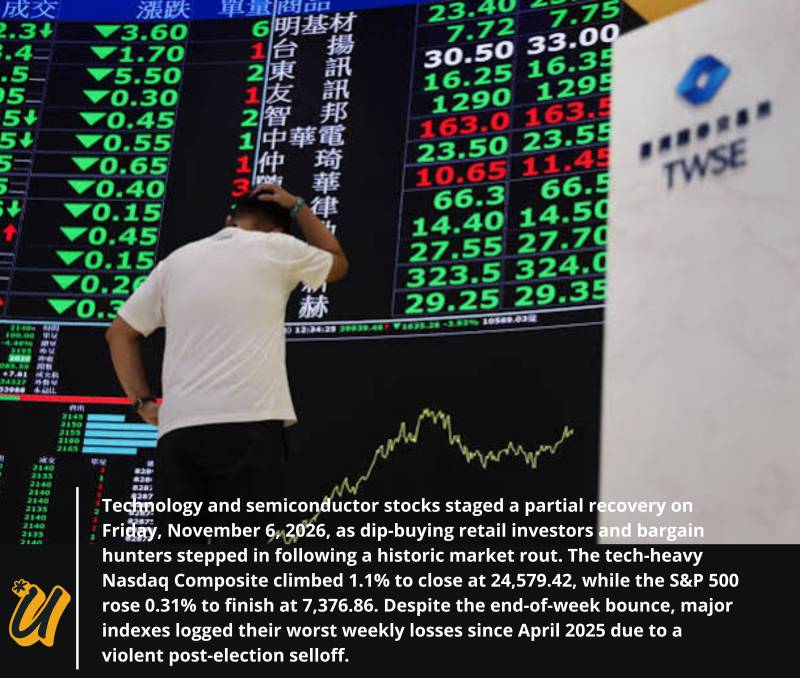
Wall Street experienced one of its most tumultuous trading windows in recent memory as technology equities suffered a severe market contraction. A potent combination of post-election policy uncertainty and an aggressive unwinding of artificial intelligence positions triggered widespread selling across global trading desks. Highlighting the initial panic, the tech-heavy Nasdaq 100 plunged by 6.4 percent in its steepest single-day decline since early 2020, while the PHLX Semiconductor Index plummeted over 12 percent. The sharp retrenchment wiped out trillions of dollars in market value across leading mega-cap tech entities before opportunistic dip buyers began stepping back into the market to establish a fragile stabilization baseline.
The sudden shift in sentiment was heavily driven by the fallout from the midterm elections, which introduced fresh anxieties regarding federal and state regulatory overhauls targeting energy-intensive infrastructure. Institutional investors expressed heightened concern over data center operations, focusing on the potential implementation of state-level moratoriums on new facility construction and stricter power consumption mandates. Exacerbating the downturn, algorithmic and systematic trading strategies rapidly adjusted to the spike in market risk; systematic and volatility-control funds executed substantial automated rebalancings, shedding massive tech exposure in rapid succession and intensifying downward momentum across equities.
Amid the broader market contraction, artificial intelligence startup Anthropic found itself navigating a recalibrated public listing landscape. The downturn forced market participants and investment bankers to reassess the company’s near-term public valuation expectations, with prospective initial public offering targets cooling toward the $1.2 trillion mark. Despite the immediate valuation headwinds, industry analysts continue to maintain a constructive long-term outlook for the firm, emphasizing that foundational demand for next-generation superintelligence infrastructure remains intact despite macro-level market volatility.
Corporate earnings reports and strategic updates delivered during the week provided a mixed picture of enterprise resilience against the challenging economic backdrop. Mobility platform Lyft offered a bright spot as Chief Executive Officer David Risher highlighted strong third-quarter operational metrics, pointing to record active rider numbers and ongoing momentum in the company’s strategic international expansion initiatives. Conversely, gaming and sports entertainment provider DraftKings faced intense selling pressure following a downward revision to its forward earnings outlook; Chief Executive Officer Jason Robbins defended the stock's drop by explaining that elevated capital expenditures were directly tied to multi-year strategic investments aimed at capturing market share in emerging prediction markets. Elsewhere in the sector, Tesla Chief Executive Officer Elon Musk generated headlines by announcing plans to phase out Cybertruck production by mid-2027, reallocating manufacturing resources and engineering focus toward the mass production of its dedicated Cybercab autonomous vehicle fleet.
Regulatory and legislative scrutiny over technology leaders reached elevated levels concurrently with the market turbulence. Congressional committees and federal policy officials intensified investigations into executive oversight and foreign entity relations, notably expanding inquiries into Nvidia Chief Executive Officer Jensen Huang regarding the chipmaker’s commercial interactions with data center firm Mega Speed. Market observers emphasized the delicate balance policymakers face in establishing AI oversight, drawing a sharp distinction between fast-moving "speedboat" commercial developments such as agentic commerce and the comprehensive, long-term safety guardrails required for advanced computational models.