SAN FRANCISCO — As millions of voters cast their ballots across the United States in today’s high-stakes midterm elections, the corporate and technology landscape in San Francisco and across global capital markets is undergoing a profound series of structural shifts. On a day dominated by political commentary and voting turnout reports, financial markets are simultaneously grappling with major enterprise earnings announcements, aggressive debt issuances aimed at sustaining artificial intelligence expansion, aggressive corporate restructuring, and regional ballot measures that could reshape the physical infrastructure supporting the next decade of computing power.
The intersection of politics, technology, and fiscal strategy has rarely been more pronounced than on this election morning. Across Silicon Valley and Wall Street, executive teams and institutional investors are navigating a complex economic environment characterized by persistent cost headwinds, rapid capital realignments, and political uncertainty surrounding regulatory frameworks. From consumer technology behemoths facing component cost crunches to entertainment conglomerates executing sweeping workforce reductions, the current market dynamics reflect a broader industrial recalibration in response to changing macroeconomic conditions.
Leading today's corporate developments is Apple Inc., which found its shares coming under renewed downward pressure despite reporting resilient underlying consumer demand heading into the vital holiday shopping season. Market participants and equity analysts have expressed growing concern over shrinking gross margins, driven primarily by escalating expenditures across two distinct operational fronts: spiking memory component costs and intensive capital allocations required for the development and deployment of next-generation Siri AI features. The cost of high-bandwidth and advanced memory modules has risen sharply across global supply chains, squeezing gross margins at a moment when software integration expenses are reaching unprecedented heights.

Adding to Apple’s immediate operational challenges are persistent supply chain bottlenecks that continue to affect revenue pacing for its flagship hardware offerings, notably the iPhone Duo line. Supply constraints for key components have delayed product assembly and distribution schedules, preventing the consumer electronics titan from fully capitalizing on peak demand windows. Industry analysts note that while end-user demand for high-end smartphones remains intrinsically strong, the dual pressure of supply-side friction and inflated bill-of-materials costs has injected a fresh layer of caution into market expectations for the coming quarters.
While consumer hardware manufacturers battle margin compression, hyper-scale technology companies are turning to public debt markets at a record pace to fund the massive infrastructure expenditures required for artificial intelligence development. Tech giants are executing unprecedented capital raising strategies, seeking to secure long-term capital to construct data centers, acquire advanced compute clusters, and secure power purchase agreements. The sheer scale of capital required for next-generation generative AI models has driven balance sheet adjustments that mark a clear departure from the cash-rich, low-leverage norms that defined the technology sector for over a decade.
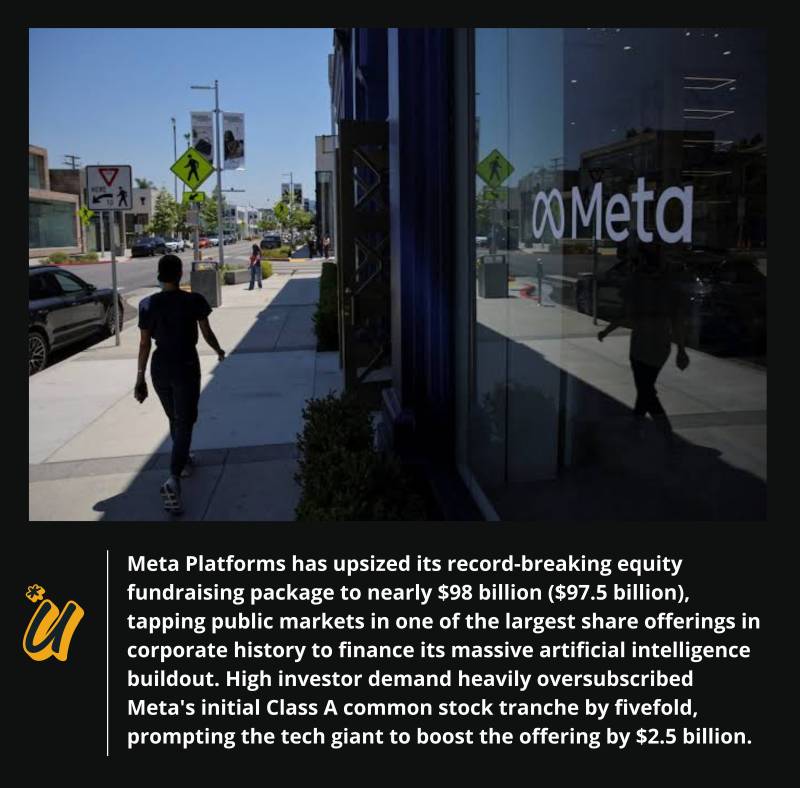
Chief among these offerings is Meta Platforms Inc., which has officially launched a comprehensive, multi-part U.S. dollar bond offering. The enterprise aims to raise approximately $15 billion in debt financing to build out its sprawling AI ecosystem and core infrastructure projects. The massive corporate bond sale, structured across multiple maturity tranches, highlights how aggressive tech companies have become in securing liquidity while capital markets remain receptive. Investment bankers report robust initial interest from fixed-income institutional investors, though credit analysts are closely monitoring total leverage metrics as big tech continues its multi-billion-dollar infrastructure sprint.
Beyond capital markets and technological investments, corporate belt-tightening has emerged as a defining theme of the current business cycle. The Walt Disney Company disclosed plans for sweeping cost-cutting initiatives designed to streamline operational efficiency and defend profitability against persistent headwinds in traditional broadcast networks and streaming operations. The legacy entertainment powerhouse is targeting an aggressive 20 percent reduction in overall operating expenses across several key business divisions, signaling a thorough re-evaluation of its cost structure.
Crucially, Disney’s dramatic cost reduction program will involve thousands of planned employee layoffs across domestic and international business units. Management indicated that restructuring operations is vital to align cost structures with evolving consumer viewing habits, rising content production expenses, and ongoing shifts in digital media consumption. The announcement sent ripples through the media industry, serving as a stark reminder that even legendary media brands are forced to undertake painful labor adjustments as they navigate long-term secular transitions in consumer entertainment.
Concurrently, the physical footprint of the artificial intelligence boom has emerged as one of the most contentious issues on local municipal ballots across the nation today. As voters cast their votes for congressional seats and governorships, significant attention is focused on how the ultimate midterm election outcomes will influence national AI policy, cross-border technology regulation, and local data center developments. The immense power and water consumption required to operate hyper-scale data facilities has transformed municipal planning into a high-stakes political battleground.
In key technology corridors within states such as Ohio and Virginia, voters are deciding on a slate of local ballot measures and zoning initiatives specifically addressing data center development moratoriums. Local communities in Northern Virginia, long considered the digital capital of internet traffic routing, as well as emerging cloud infrastructure hubs in central Ohio, are debating environmental impact standards, regional electricity grid capacity, and local tax structures. The outcome of these local votes could establish major regulatory precedents, either accelerating regional data center expansions or introducing stringent municipal barriers that slow down future facility construction.
In the enterprise software domain, Palantir Technologies Inc. reached a major strategic milestone, reporting that its commercial revenue segment has officially overtaken its government contract revenue for the first time in company history. The historic flip underscores the company's aggressive, multi-year strategy to expand beyond defense and intelligence agencies into private enterprise analytics and AI integration. By helping commercial enterprises operationalize raw data and deploy bespoke predictive models, Palantir has built a powerful second engine of corporate growth.
However, despite achieving this structural milestone in its business model, Palantir's stock experienced notable trading pressure as investors reacted to signs of slowing top-line growth metrics. Market analysts pointed out that while commercial adoption remains vibrant, deceleration in quarterly growth rates relative to previous peak expectations has led to valuation recalibrations among institutional shareholders. The market response demonstrates the delicate balance high-growth software firms must strike between achieving strategic milestones and satisfying Wall Street’s strict quarterly growth benchmarks.
Meanwhile, Southeast Asian ride-hailing and super-app giant Grab Holdings Limited announced a landmark operational achievement, reporting its first-ever profitable quarter across all core business divisions. Following years of heavy capital deployment, intense regional competition, and substantial operational cash burn, Grab’s unified profitability across mobility, delivery, and financial services marks a decisive turning point for the Singapore-headquartered enterprise. Executive leadership attributed the breakthrough to improved unit economics, optimized driver and merchant incentive structures, and sustained consumer demand across major urban markets in Southeast Asia.
Grab’s operational pivot to sustained profitability represents a broader trend across global technology ecosystems, where tech boards and leadership teams are abandoning hyper-growth strategies in favor of margin discipline and operational cash generation. As regional tech hubs mature, the ability to demonstrate self-sustaining business models across diverse operating units has become the primary metric by which public technology firms are judged by long-term investors.
As the polls begin to close in key battleground states tonight, business leaders across San Francisco, New York, and global financial hubs remain focused on the broader economic implications of today's voting results. The composition of the upcoming Congress will directly influence federal legislative priorities regarding antitrust enforcement, semiconductor manufacturing subsidies, trade tariffs, and national artificial intelligence governance. Executive leadership teams across tech and financial sectors are preparing for potential regulatory shifts that could either streamline corporate operations or introduce new compliance requirements.
Ultimately, today’s mix of market events—ranging from Apple's margin pressures and Meta's massive bond issuance to Disney's structural layoffs, Palantir's commercial growth, and Grab's cross-divisional profitability—illustrates an industry undergoing rapid maturity and recalibration. Combined with the regulatory and infrastructure questions hanging on today's midterm ballot measures in Ohio and Virginia, the technology and financial sectors stand at a critical inflection point where corporate strategy and public policy remain deeply intertwined.