WASHINGTON — Nvidia Corporation and its Chief Executive Officer, Jensen Huang, have been cast into an intense storm of internal corporate drama, national security investigations, and market turbulence. A recent broadcast of Bloomberg Tech highlighted how personal admissions, alleged foreign espionage targeting, regulatory interventions, and broader market fundamentals have collided to create an unprecedented turning point for the world’s leading artificial intelligence chipmaker.
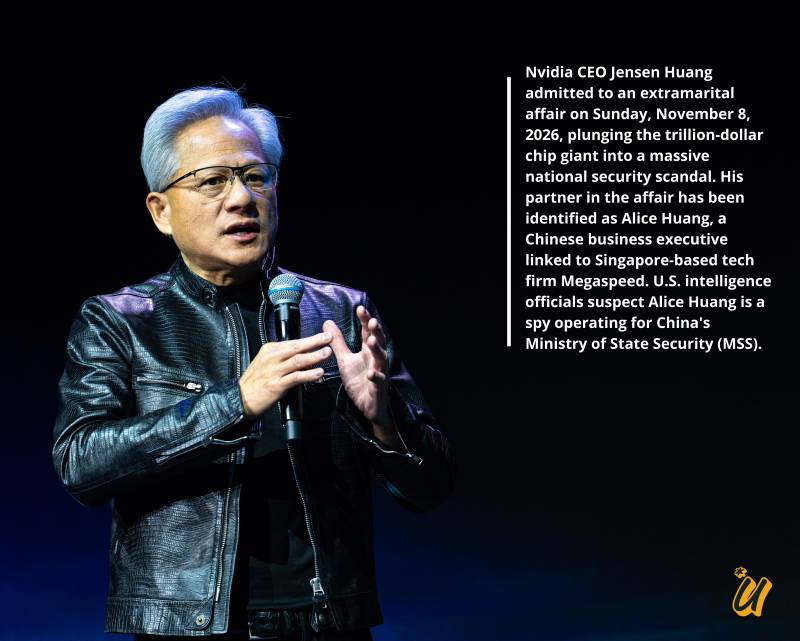
The crisis escalated dramatically following confirmation that Nvidia’s board of directors initiated an independent investigation into allegations surrounding an extramarital affair involving Jensen Huang. The probe centers on interactions with an individual allegedly linked to Chinese state intelligence, raising immediate concerns over whether foreign covert operations targeted Silicon Valley's most prominent executive. Huang issued an internal memo to employees taking full personal responsibility for his conduct, expressing remorse to his family and shareholders while offering full cooperation to the independent board inquiry. Though the board maintains there is currently no evidence indicating company secrets or national security were compromised, the investigation underscores grave concerns regarding foreign intelligence operations directed at critical domestic technology infrastructure.
The executive scandal quickly broadened into a high-stakes confrontation in Washington, transforming internal corporate governance into an urgent national security matter. Lawmakers and federal authorities are focusing renewed scrutiny on Nvidia’s compliance with trade restrictions following reports that the semiconductor giant intervened during a Commerce Department inquiry. The federal investigation targeted Mega Speed International, a third-party technology enterprise suspected of serving as a conduit to illicitly route advanced Nvidia artificial intelligence processors into China in evasion of U.S. export controls.
Congressional leaders across key national security and intelligence committees have intensified their oversight of the enterprise. Lawmakers have formally requested Jensen Huang’s appearance for a closed-door congressional questioning session scheduled for November 18th. House leaders seek to determine whether executive decision-making or corporate lobbying efforts compromised federal enforcement of critical technology exports, or if systemic vulnerabilities allowed foreign adversaries to gain unauthorized access to cutting-edge U.S. compute hardware.
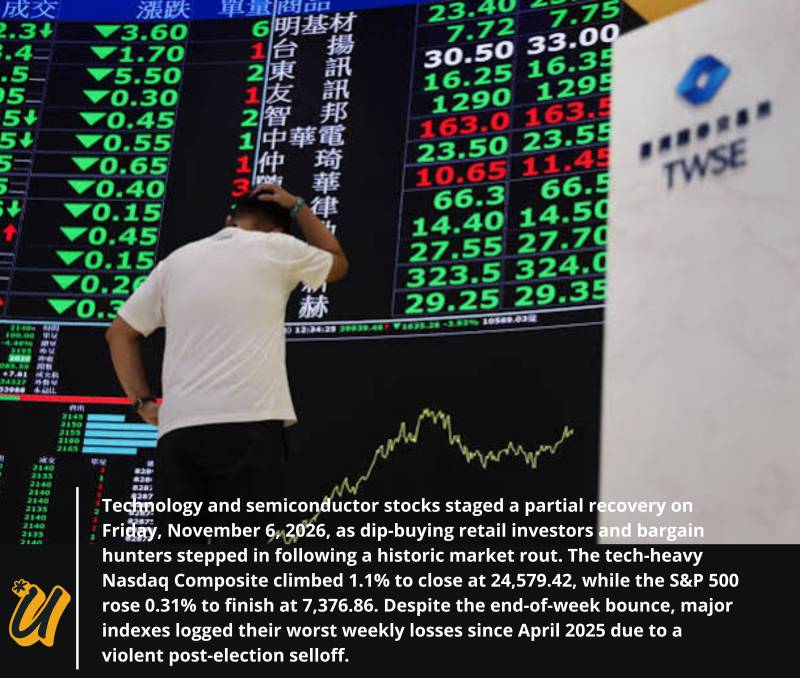
Financial markets have reacted sharply to the cascading developments, placing substantial downward pressure on Nvidia’s stock price. Wall Street trading reflected heightened sensitivity to key-man risk, as investors reassessed the company's valuation against the backdrop of potential leadership disruptions and regulatory sanctions. Industry analysts emphasize that while Huang’s co-founding leadership has been central to Nvidia’s dominance, any prolonged geopolitical or legal cloud over executive leadership threatens to complicate operational execution and federal policy engagements.
Despite the severe headline volatility, structural market demand for artificial intelligence infrastructure remains exceptionally resilient. Financial analysts across major Wall Street institutions maintain largely favorable underlying fundamental ratings for Nvidia, pointing to an insatiable global demand for AI compute capacity. Equity researchers note that operational revenue streams remain backed by massive capital allocation across the cloud and enterprise technology sectors, insulating core business metrics from immediate governance fallout.
The broader macroeconomic environment supporting this demand was underscored by parallel industry research released during the controversy. Venture capital firm Menlo Ventures published its annual 2026 State of Enterprise AI report, detailing an explosive expansion in corporate software and hardware investment. Enterprise AI deployment spending is projected to reach $177 billion by September 2026. The surge is increasingly propelled by the mainstream commercial adoption of Agentic AI architectures and advanced software coding automation, reinforcing the critical necessity of high-performance GPU hardware across global industries.
Attention across the technology sector and global financial markets now converges on mid-November. Nvidia is scheduled to report its third-quarter earnings on November 17th, just twenty-four hours before Huang’s scheduled testimony before Washington lawmakers on November 18th. Wall Street analysts, institutional investors, and federal regulators alike view this upcoming two-day window as a decisive nexus that will determine Nvidia’s long-term leadership stability, regulatory compliance posture, and financial trajectory in the era of artificial intelligence.