LAGOS - Beneath the sprawling expanse of the earth across Nigeria's diverse landscapes lies a profound historical irony. For generations, the country’s narrative has been inextricably bound to the subterranean rivers of crude oil, anchoring its economy to a single volatile commodity while vast, multi-billion-dollar treasures slept quietly beneath the soil in the form of solid minerals. Estimated at an staggering seven hundred billion dollars, this sleeping giant—comprising critical deposits like lithium, gold, tin, and rare earth elements—has long beckoned to global powers hunting for the raw materials of the future. Yet, the story of extraction in Africa has too often been written in the ink of exploitation: raw earth scooped up, shipped across oceans, processed in foreign lands, and sold back to the continent at an exorbitant premium.
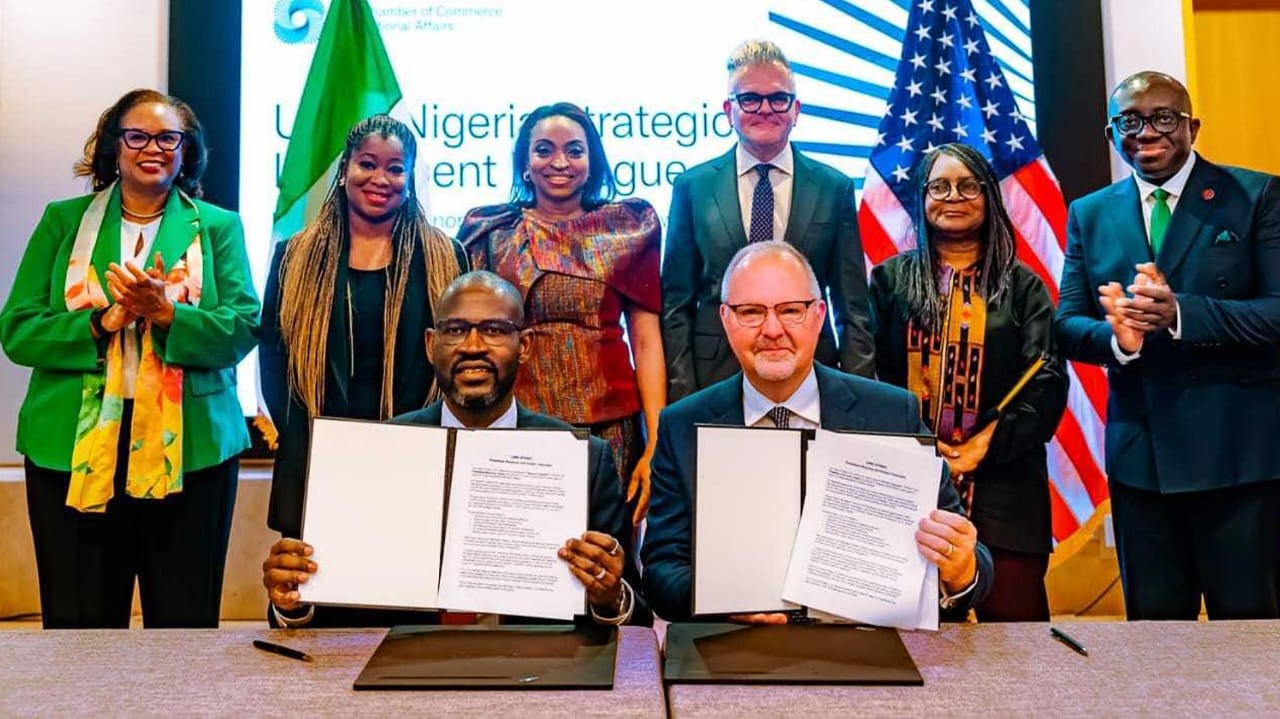
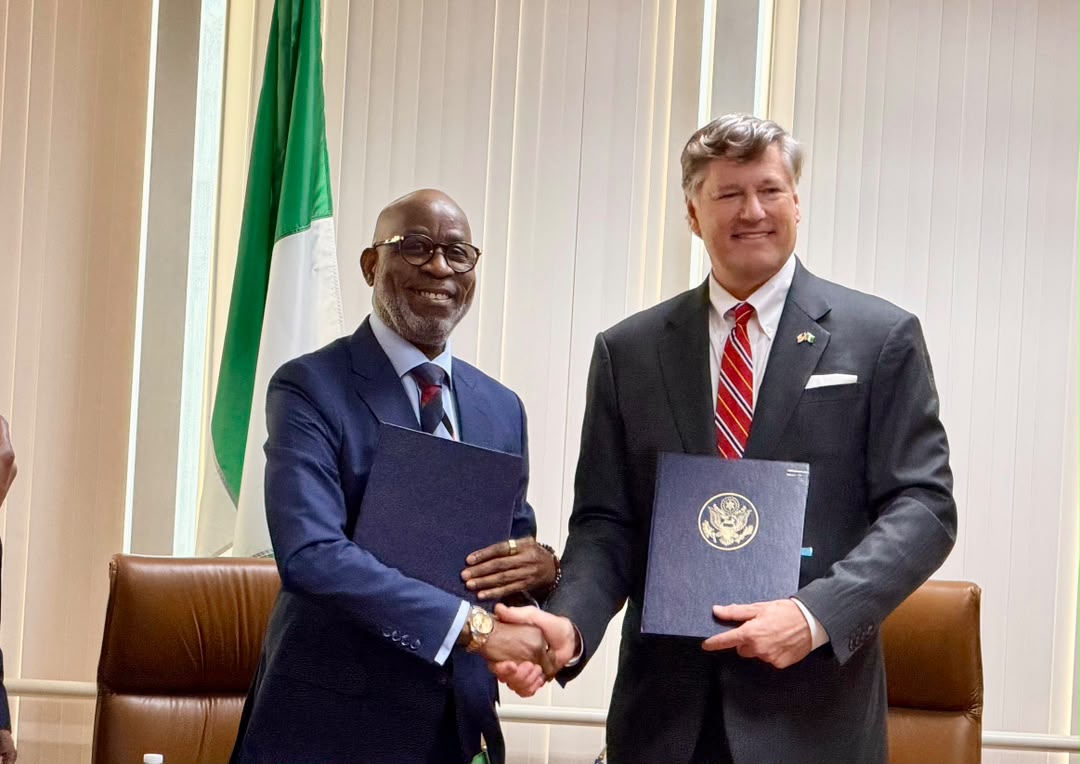
A historic turning point arrived when Nigeria formally entered into a major framework agreement and three strategic partnerships with United States corporate and government counterparts. Forged on the global stage during the United Nations General Assembly in New York by Minister of Solid Minerals Development Dele Alake and U.S. Deputy Secretary of State Christopher Landau, this accord represents far more than a routine diplomatic handshake. It is a calculated, transformational framework designed to rewrite the rules of international resource engagement, steering a nation away from the trap of raw export dependency and toward a future defined by industrial sovereignty and shared economic dignity.
To grasp the true weight of this alignment requires deep cultural understanding and emotional precision. For decades, local communities sitting atop immense mineral wealth watched heavy machinery tear open their ancestral lands, only to see the economic benefits evaporate overseas, leaving behind environmental scars and unfulfilled promises. The new framework confronts this painful legacy head-on by anchoring every single pillar of cooperation in local value addition. Under the terms of the agreement, the era of shipping unprocessed rock out of Nigerian ports is explicitly challenged. Instead, the strategic vision mandates the construction of domestic processing plants, the transfer of advanced technologies, and the creation of high-quality technical jobs that keep wealth and expertise rooted firmly within Nigerian soil.
Related article - Uphorial Shopify
Intelligent curation drives the operational focus of the partnership, targeting the exact structural bottlenecks that have historically crippled the mining sector. The collaboration is systematically built around three critical operational priorities: modernizing antiquated mining techniques, expanding reliable energy infrastructure to power heavy industrial processing, and securing mining assets against persistent security threats. Mineral extraction cannot flourish in an environment of vulnerability. Consequently, the partnerships incorporate cutting-edge technological defenses, deploying autonomous surveillance towers, unmanned aerial systems, and advanced threat-detection platforms powered by state-of-the-art operating software like Terra's Artemis OS. Initial deployments are targeted directly at volatile operational zones in Plateau and Kaduna states, creating a secure perimeter that protects both human lives and capital investment.
Through strategic storytelling, this bilateral agreement places Nigeria at the absolute center of the global green and technological transition. As industrialized economies scramble to secure stable, resilient supply chains for the minerals powering electric vehicles, renewable energy grids, and advanced electronics, Nigeria is positioning itself not as a passive supplier, but as an indispensable, sovereign partner. The framework spans the entire developmental lifecycle—from meticulous geological data collection and transparent exploration to heavy industrial processing and rigorous technical capacity building. It opens the door for robust business-to-business transactions that invite foreign direct investment while fiercely safeguarding national interests.
Ultimately, the true measure of this multi-faceted alliance will not be found in the ceremonial signatures inked in New York, but in the tangible transformation of local communities, the hum of new processing mills across the federation, and the empowerment of a new generation of Nigerian engineers and technicians. By bridging international capital with domestic ambition, Nigeria is stepping out of the shadows of resource extraction and forging a resilient, self-determined industrial destiny.