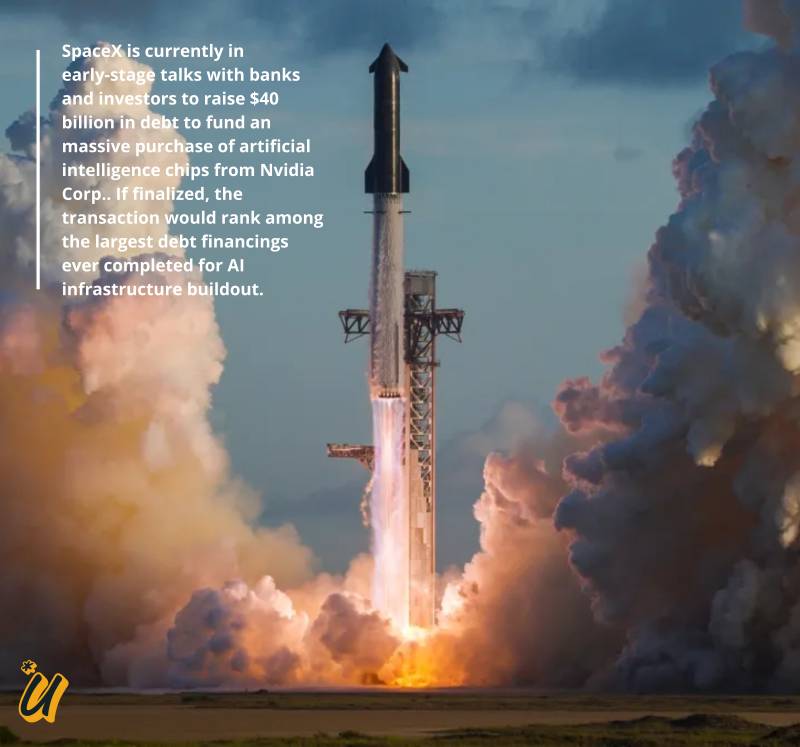
SAN FRANCISCO — The artificial intelligence arms race is entering an aggressive new phase as global tech giants move beyond software deployment to overhaul the underlying hardware, silicon, and physical infrastructure powering the generative AI boom. On a recent broadcast of Bloomberg Tech, host Ed Ludlow examined the seismic structural realignments taking place across the semiconductor and enterprise technology sectors. From hyperscalers engineering custom custom silicon to mitigate supply chain exposure to the soaring economic costs of multi-gigawatt facilities, the industry is recalibrating to sustain the immense compute demands of next-generation artificial intelligence models.
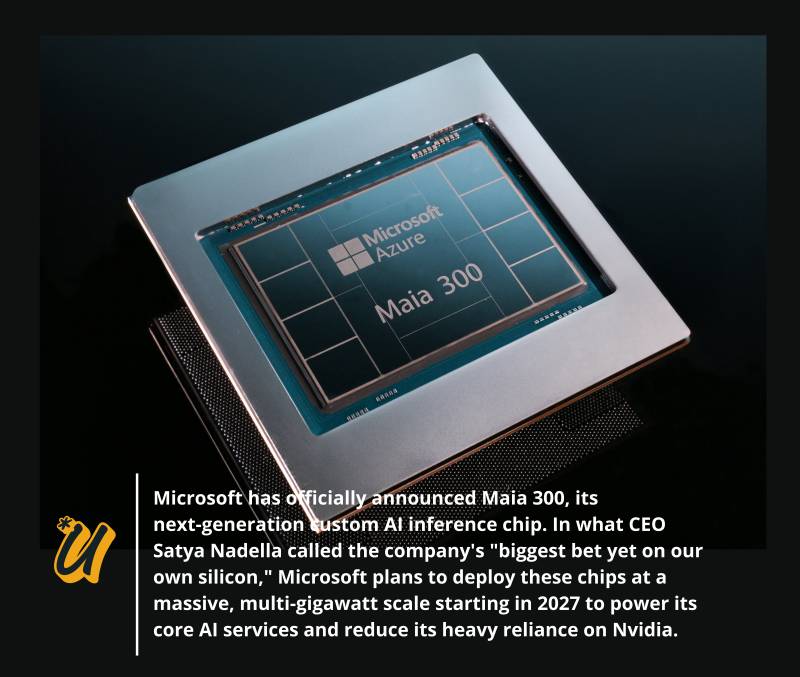
At the epicenter of this transformation is Microsoft, which is aggressively scaling its proprietary hardware strategy to insulate itself from market dependencies. The Redmond-based tech titan is deploying its homegrown Maia 300 AI silicon at a multi-gigawatt scale, marking a major milestone in its operational evolution. By integrating custom-designed silicon into its massive infrastructure footprint, Microsoft aims to significantly reduce its reliance on third-party semiconductor vendors, most notably Nvidia, whose high-end graphic processing units have faced supply crunches and premium pricing. The Maia 300 chip deployment is strictly tuned toward optimizing AI inference workloads, delivering dedicated hardware acceleration for core internal products and consumer services such as Microsoft Copilot and GitHub's developer platforms. By tailoring silicon directly to software usage patterns, Microsoft seeks to improve energy efficiency, lower processing latencies, and stabilize operational margins across its expanding cloud ecosystem.
At the same time, competition in silicon design is spilling over into radical manufacturing philosophies. Elon Musk is spearheading an ambitious push to disrupt traditional semiconductor design cycles, aiming to test up to ten distinct chip designs annually. Leveraging rapid prototyping and iterative manufacturing methodologies perfected across SpaceX and Tesla, Musk’s approach seeks to bypass the multi-year iteration loops that typically dominate the semiconductor industry. This aggressive cycle of rapid deployment, continuous stress testing, and real-time physical refinement seeks to bring automotive and aerospace manufacturing velocity into high-performance compute architecture.
However, accelerating chip innovation is running directly into the immense physical constraints and capital expenditures required to host modern AI clusters. Constructing a single AI-ready gigawatt data center now requires an estimated capital outlay of approximately $30 billion. Industry analysis underscores that broad macroeconomic inflation, alongside supply constraints for critical specialized infrastructure, is drastically escalating build-out costs. Beyond securing prime real estate and securing access to massive grid power reserves, hyperscalers face soaring expenses for critical high-speed networking components, particularly advanced optical transceivers required to connect tens of thousands of processors without performance degradations.
To address these severe network infrastructure bottlenecks, leading hardware hardware firms are forging strategic technical alliances. Cisco and Nvidia have partnered to introduce a new optical transceiver standard known as Ultra Small Form Factor Pluggable, or USFP. As artificial intelligence models scale up to power autonomous agents and complex reasoning workflows, massive clusters composed of tens of thousands of linked GPUs encounter severe data transmission throughput limits. The USFP optical standard aims to streamline interconnect architecture, allowing data centers to sustain continuous high-bandwidth communication between compute nodes while mitigating the latency and power draw inherent in traditional networking hardware.
While enterprise compute infrastructure dominates capital expenditures, consumer-facing technology ecosystems are undergoing a parallel AI integration. Apple is preparing an expansive push into the smart home ecosystem, developing a renewed product lineup designed to leverage its upgraded, highly integrated Siri voice assistant and on-device AI model suite. The anticipated product rollout encompasses a dedicated smart home command hub, a refreshed HomePod mini, and an updated Apple TV console. By weaving ambient artificial intelligence into hardware touchpoints throughout the household, Apple seeks to establish a unified ecosystem where context-aware AI sits at the center of everyday consumer interaction.
Navigating these hardware shifts and capital expenditures requires close financial scrutiny from market strategists and investment management professionals. Assessing broader market dynamics, Fidelity’s Denise Chisholm provided expert analysis on current technology sector valuations. Chisholm stressed that evaluating tech equities in this capital-intensive cycle requires looking beyond short-term multiple expansion, examining historical precedent, cash-flow resilience, and broader earnings support across the sector. Simultaneously, David Fetherstonhaugh of VistaShares shared perspective on capital allocation strategies, pointing out actionable AI investment opportunities across both hardware supply chains and downstream application layers, while emphasizing the imperative for enhanced market transparency as capital flows into complex infrastructure developments.
As hyperscalers expand compute footprints, tech giants redefine custom silicon, and financial markets evaluate fundamental valuations, the semiconductor and technology landscape continues to undergo profound structural change. The race to build, power, and connect the physical infrastructure of artificial intelligence is redefining corporate capital strategy and setting the operational baseline for the global tech economy.