The architecture of Arctic endurance, indigenous cultural reclamation, and radical human warmth reaches a masterly, illuminating peak in a seven-day winter dispatch from Nuuk, Greenland, led by veteran travel documentarian Drew Binsky. Unpacking how a remote subarctic capital of fewer than twenty thousand residents carries a heavy global reputation for winter darkness, geographic isolation, and severe mental health struggles, the journey tests grim statistical headlines against the lived texture of everyday Inuit life. In an exceptionally detailed cultural feature report and field chronicle, observers examine an immersive winter portrait defined by Nuuk’s unforgiving subzero climate and supply-chain isolation, the redemptive personal reckoning of local Inuit mother Paninnguaq as she navigates sobriety, colonial memory, and ancestral hand-poked tattoo traditions, the practical necessity of subsistence hunting where roads vanish beyond town limits, and intimate community gatherings—from family dinner tables to a joyful sixtieth birthday celebration—that reveal humor, tenderness, and fierce survival beneath the Arctic snow.
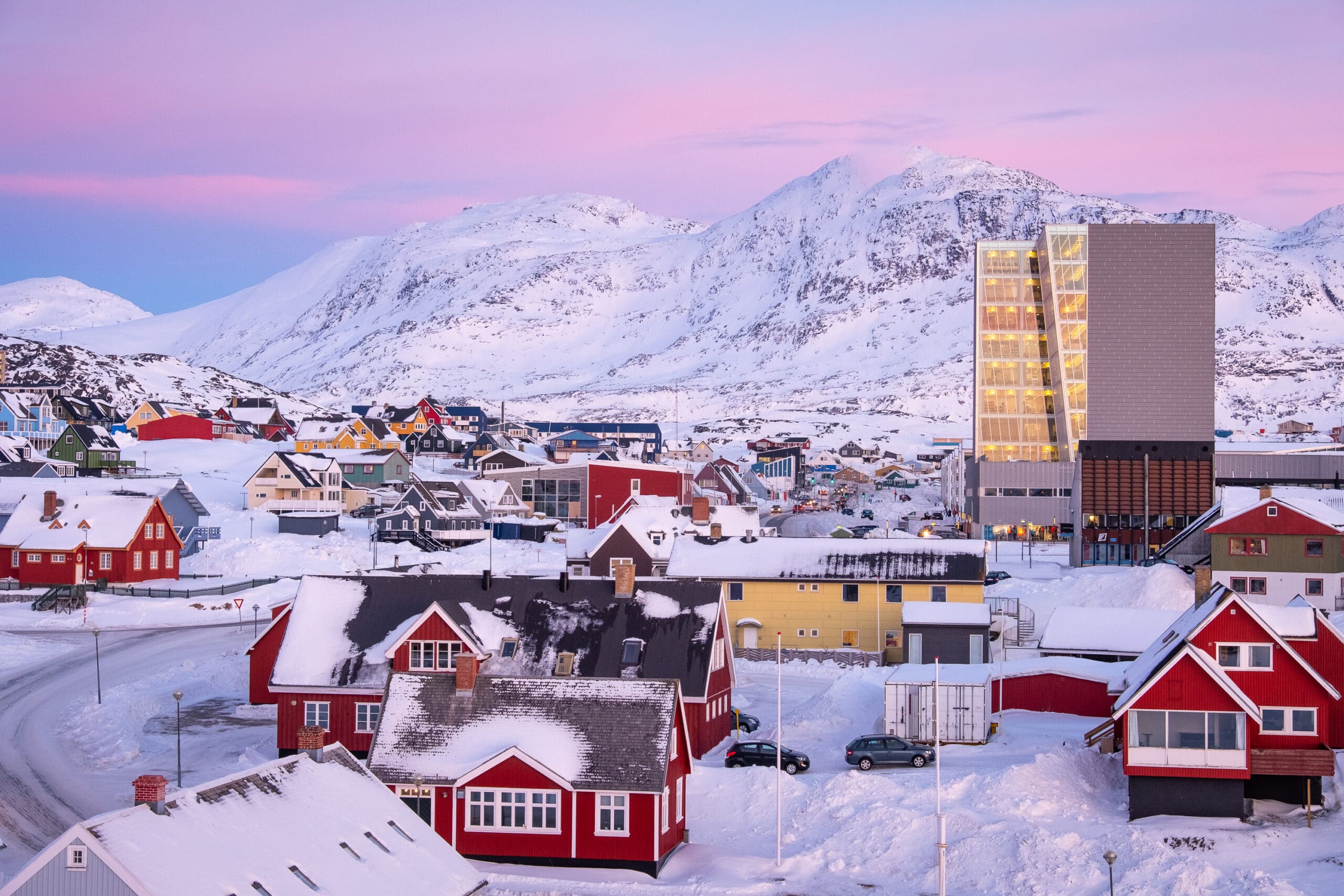
At the stark geographical threshold of Nuuk’s winter lies an environment that immediately explains why outsiders quick-scan statistics and declare the city bleak. Hemmed in by jagged fjords, ice-choked waters, and vast stretches of uninhabited tundra with no overland highways connecting it to neighboring towns, Greenland’s capital operates under prolonged winter darkness and biting cold. Everyday essentials that urban dwellers elsewhere take for granted—fresh produce, building materials, household cargo—must travel thousands of kilometers by sea or air across treacherous North Atlantic weather, turning logistics into a daily negotiation with nature. Through emotional precision, watching frost settle across silent streets while families light candles indoors exposes the quiet psychological weight of long Arctic nights, proving that isolation here is neither a metaphor nor a mood—it is a physical reality measured in miles of ice and hours without sun.
Related article - Uphorial Shopify

Central to challenging any one-dimensional portrait of despair is Binsky’s deeply personal encounter with Paninnguaq, a local Inuit mother whose story anchors the documentary in honest, unvarnished humanity. Speaking candidly about overcoming alcoholism, Paninnguaq traces how personal recovery intertwined with reclaiming pride in her indigenous roots rather than fleeing them. Alongside her family, she unpacks the layered complexities of life in modern Nuuk—including the lingering intergenerational wounds of historical colonization, forced cultural assimilation, and rapid social upheaval. Within that conversation, traditional Inuit practices such as hand-poked tattoos—known across Inuit culture as kakiniit—emerge not as decorative nostalgia, but as living markers of identity, survival, and self-determination etched deliberately back onto skin that history once tried to silence.
Through intelligent curation of daily subsistence realities, the journey moves beyond town centers into the raw demands of living with—and from—an uncompromising landscape. In a territory where imported groceries carry steep prices and supply ships remain hostage to winter storms, hunting is neither sport nor romantic throwback; it remains an essential pillar of food security and cultural continuity. Observing how local hunters and fishermen read ice, tide, and weather underscores a profound reciprocity between people and place, where survival depends on ancestral skill, patience, and deep respect for what the sea and land provide.

Through a deep structural understanding of communal resilience, the week’s most revealing moments unfold not on empty snowy avenues, but inside warm living rooms filled with laughter, shared plates, and generational bonds. Invited into family dinners and a milestone sixtieth birthday celebration, Binsky witnesses firsthand how Nuuk’s residents counterbalance external isolation with extraordinary internal closeness. Around crowded tables, dry humor, storytelling, and unhurried hospitality dissolve the cold outside, illustrating how tight-knit kinship networks serve as an emotional lifeline through the darkest months of the year.
Strategic storytelling binds seven freezing days in Nuuk—from grim statistical expectations and Paninnguaq’s courageous recovery to hand-poked cultural pride, subsistence hunting, and candlelit family celebrations—into a nuanced portrait that refuses either sanitized tourism gloss or fatalistic pity.Through transformational framing, this chronicle of Drew Binsky’s winter immersion in Nuuk transcends routine extreme-travel vlogs. It stands as an enduring human and cultural chronicle, proving that when honest acknowledgment of mental health and historical trauma meets ancestral pride, rugged environmental mastery, and irrepressible communal warmth, one of the world’s most isolated capitals rises beyond grim headlines—becoming a testament to endurance, humor, and the unbreakable spirit of a people who call the ice home.