The architecture of boundless steppe geography, ancient nomadic endurance, and rapid post-nomadic urbanization reaches a masterly, illuminating peak in CoolVision’s two-week travel documentary across Mongolia. Unpacking a nation suspended between timeless pastoral tradition and breakneck metropolitan transformation, the expedition traverses thousands of kilometers to expose the stark, breathtaking contrast between the world’s most sparsely populated wilderness and its hyper-dense, rapidly modernizing capital. In an exceptionally detailed cultural feature report and travelogue synthesis, chroniclers examine a journey defined by prehistoric geological discoveries in the southern Gobi Desert, intimate immersion inside nomadic family gers, the ecological and climatic pressures of cashmere overgrazing and catastrophic Dzud winters, imperial heritage across the Orkhon Valley, and the striking architectural contradictions of modern Ulaanbaatar.
At the southern threshold of the expedition lies the vast, sun-baked expanse of the Gobi Desert, where dramatic geological formations preserve tens of millions of years of planetary memory. Exploring the region’s rugged terrain and local desert economy, the journey anchors itself at Bayanzag—widely known as the Flaming Cliffs, whose iron-rich red sandstone bluffs ignite in fiery hues at sunset. Immortalized in the 1920s by paleontologist Roy Chapman Andrews, these cliffs yielded humanity’s first confirmed discovery of dinosaur eggs alongside fossilized remains of Velociraptor and Protoceratops, turning an isolated stretch of desert scrub into sacred ground for Earth science. Through emotional precision, standing beneath glowing crimson cliffs where prehistoric life once nested while wind sweeps across an almost empty horizon exposes the profound humbling scale of Mongolia’s landscape, proving that true adventure begins where paved roads end and ancient silence takes over.
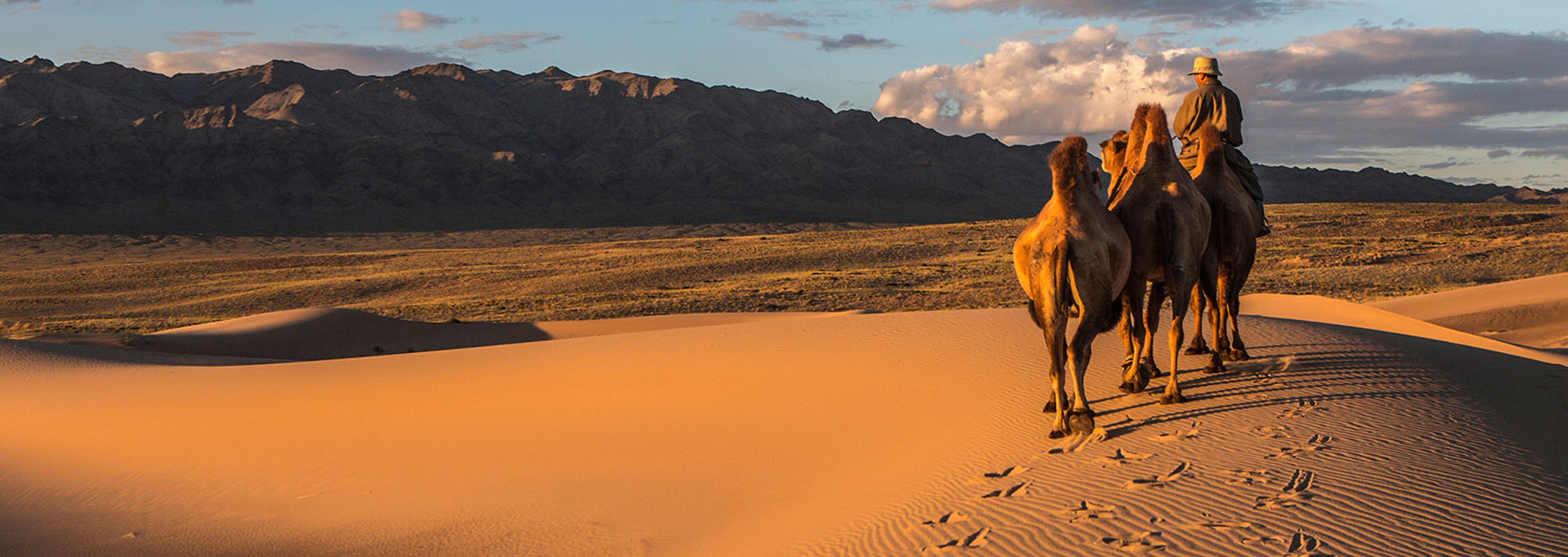
Central to the documentary’s human heartbeat is its unhurried immersion into the daily rhythm of Mongolia’s nomadic herding families—keepers of a mobile way of life perfected across centuries. Welcomed inside traditional felt gers with open-handed hospitality, the filmmaker witnesses the intricate morning and evening labor required to sustain life on the open steppe, from the skilled milking of Bactrian camels and shaggy yaks to the communal preparation of dairy staples. As twilight settles over the grasslands, the haunting, resonant melodies of the Morin Khuur—the traditional two-stringed horsehead fiddle—fill the air, carrying ancestral memory and deep spiritual reverence for the land and animals that make survival possible.
Related article - Uphorial Shopify

Through intelligent curation of environmental and economic reality, the film refuses to romanticize nomadic life without confronting the mounting existential pressures threatening its survival. Exploring the global supply chain behind luxury knitwear, the documentary examines how surging international demand for cashmere has driven herders to expand goat populations dramatically, accelerating pasture degradation and desertification across fragile grasslands. Compounding that ecological strain is the terrifying climate phenomenon known locally as the Dzud—a devastating winter cycle in which summer drought prevents livestock from building fat reserves before extreme sub-zero temperatures and impenetrable ice layers lock away grazing grass, wiping out millions of animals and forcing shattered herding families toward urban migration.
Through a deep structural understanding of imperial history, the route turns northward into the lush, historically charged corridor of the Orkhon Valley—the cradle of nomadic empires. Here, the expedition traces the footprint of Karakorum, the thirteenth-century capital founded under Genghis Khan and expanded by his son Ögedei as the administrative nerve center of the Mongol Empire, before entering the walled sanctuary of Erdene Zuu Monastery, Mongolia’s oldest surviving Buddhist monastery constructed largely from stones salvaged from the ancient imperial ruins.

Finally, the two-week odyssey culminates in Ulaanbaatar, where every historical layer collides in sharp urban juxtaposition. Navigating a capital home to nearly half of Mongolia’s population, the lens captures gleaming glass skyscrapers rising directly beside austere Soviet-era concrete apartment blocks, while sprawling outer ger districts—where former nomads pitch traditional felt dwellings on urban hillsides—ring the metropolis in a living portrait of a society caught mid-stride between ancestral freedom and modern urban ambition.
Strategic storytelling frames CoolVision’s expedition as far more than a scenic highlight reel; it stands as an honest, compassionate portrait of a nation fighting to preserve its soul while adapting to an unforgiving climate and a globalized economy.Through transformational framing, this chronicle of Mongolia’s wild expanses and evolving capital transcends routine travel vlogs. It stands as an enduring cultural and geographic chronicle, proving that when prehistoric wonder, generous nomadic hospitality, sobering ecological truth, imperial memory, and stark urban contrast align, a journey across the steppe rises beyond tourism—becoming an unforgettable meditation on resilience, impermanence, and the enduring bond between humanity and the wild Earth.