WASHINGTON — Under the high ceilings of global financial centers and behind closed diplomatic doors in the nation’s capital, artificial intelligence has ceased to be merely an emerging technological sector. It has matured into the defining engine of corporate valuation, geopolitical leverage, and societal restructuring. This week’s developments across tech hubs and the corridors of power highlight a clear reality: as commercial giants race to lock up essential infrastructure and pivot their consumer strategies, government leaders and technological innovators are grappling with the structural consequences of an increasingly automated world.
The sheer scale of financial commitments required to power the next generation of artificial intelligence was on full display as Anthropic finalized a staggering $11.6 billion, seven-year agreement with Akamai Technologies. The deal, representing the largest infrastructure contract in Akamai’s history, highlights the intense scramble among leading model developers to secure compute power well into the next decade. Under the terms of the arrangement, which provides critical central processing capacity, Akamai has issued equity warrants that could ultimately grant Anthropic an ownership stake in the cloud infrastructure provider. The structural nature of the agreement highlights how AI developers are securing hardware by integrating deeply into the corporate balance sheets of their suppliers.
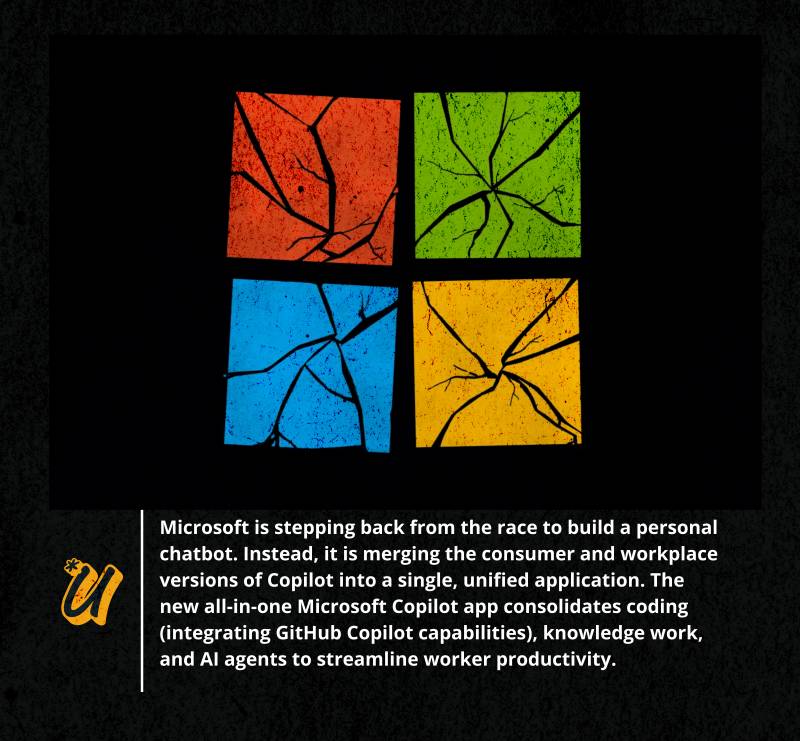
While pure-play AI labs continue to build out massive capacity, legacy technology giants are reassessing how these automated systems reach end users. Microsoft announced a major strategy shift, stepping back from the fierce competition to build a standalone consumer chatbot. Recognizing that consumer AI tools often struggle to find clear monetization models without core workflows attached, Microsoft is consolidating its consumer and enterprise Copilot offerings into a single unified platform. By folding its general-purpose digital assistant directly into its enterprise suite, the company is doubling down on daily productivity and workplace automation over consumer novelty.
This enterprise pivot coincides with growing debates surrounding safety, guardrails, and executive accountability. Speaking on the broader trajectory of autonomous tools, Mustafa Suleyman, chief executive officer of Microsoft AI, emphasized the urgent necessity of establishing strict ethical parameters. Suleyman noted that tech platforms must define clear operational "red lines" to ensure complex algorithms remain subordinate to human discretion, cautioning that rapid deployment without systemic oversight risks eroding public trust and critical infrastructure stability.
The convergence of technological dominance and statecraft took center stage at the White House, where President Donald Trump hosted Chinese President Xi Jinping for a black-tie state dinner and high-level bilateral summits. Characterized by formal diplomatic pomp—attended by a prominent contingent of Silicon Valley executives and chief commanders of the American tech industry—the meetings were publicly touted by the administration as "very productive." Yet, beneath the lavish hospitality and official statements celebrating mutual prosperity, foreign policy and technology analysts observe a sharp contrast between the evening’s theater and the underlying geopolitical friction.
Central to the quiet tensions between the two powers is the international battle for silicon supremacy and AI governance. Despite the friendly posture in Washington, the broader regulatory environment remains defined by tight export controls on advanced hardware, contested supply chains for semiconductor fabrication, and competing visions for technological standards across the Global South. The formal discussions produced few concrete policy breakthroughs, leaving market observers to evaluate how long the diplomatic warmth can offset the strategic rivalry over critical technologies.
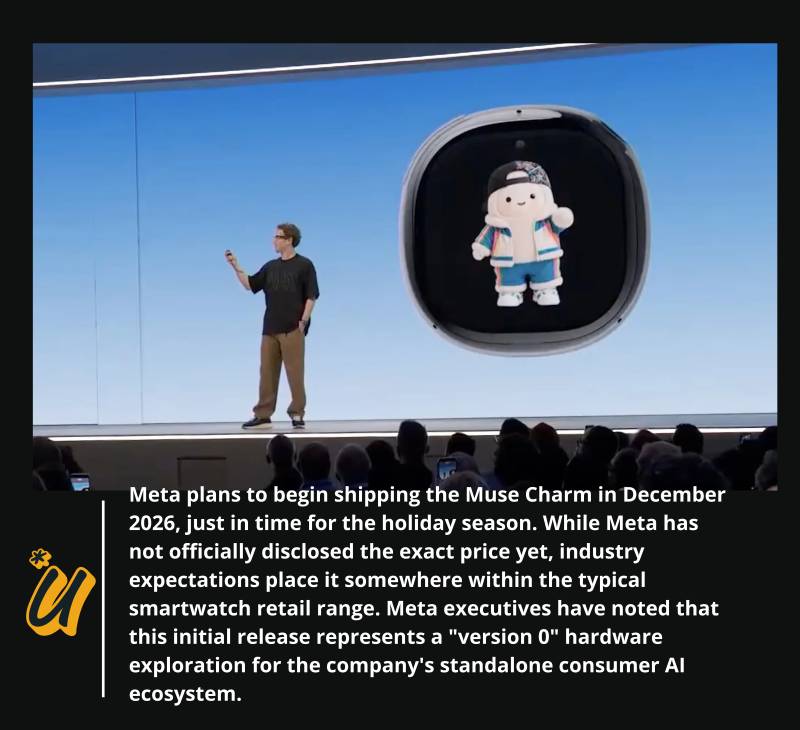
While policymakers maneuver around trade barriers, public markets continue to reward companies that demonstrate immediate consumer traction. Meta Platforms touched new heights this week, approaching a landmark $2 trillion market valuation. The stock’s surge—marking its strongest monthly performance in over a decade—has been driven by overwhelming investor enthusiasm for its newly released "Muse" AI assistant. Wall Street’s aggressive re-rating of Meta reflects a growing belief that integrating intuitive, multimodal assistants directly into dominant social platforms creates an unmatched distribution advantage, converting heavy capital expenditure into scalable revenue streams.
The tangible impact of automation is extending beyond digital software and corporate ledgers directly into physical spaces. In senior living facilities, specialized humanoid robots—such as the "Abby" unit—are moving from controlled trials into active service. Designed to assist aging populations, these systems provide social interaction, cognitive stimulation, and daily routine management for elderly residents. While safety and physical mobility remain active engineering challenges, the deployment of robotic caregivers marks a crucial step in addressing global demographic shifts and eldercare staffing shortages, offering a preview of a world where advanced robotics interact daily with vulnerable human populations.