The dawn of the artificial intelligence era has fundamentally reoriented civilization, moving human discourse away from routine productivity gains and toward an epochal transformation of society. As frontier models evolve at a staggering, unprecedented velocity, humanity finds itself standing at a precarious historical crossroads where breathtaking technological capabilities collide with profound systemic vulnerabilities. In an exceptionally urgent, masterclass-level global policy analysis, philanthropic and technological leaders unpack the delicate balancing act required to steer artificial intelligence away from peril and toward universal human flourishing. Through emotional precision, intelligent curation, cultural understanding, strategic storytelling, and transformational framing, this comprehensive news-style report explores the urgent calibration of risks and benefits, the democratization of multilingual data, the absolute necessity of international cooperation, and the political engagement required to secure a stable future.
The central paradox of the artificial intelligence revolution lies in its dual capacity to act simultaneously as an engine of unprecedented human progress and a vector of catastrophic disruption. A clear-eyed evaluation of this technological leap requires balancing severe, legitimate risks—such as malicious actors weaponizing models for advanced bioterrorism, escalating automated cyberattacks against critical infrastructure, and widespread economic displacement causing massive job losses—against the profound moral imperative of deploying AI safely into critical sectors like global health and education. Through emotional precision, this tension is recognized not as an abstract academic debate, but as a visceral human reality affecting the livelihoods and safety of billions. Navigating this turbulent transition safely demands active, unyielding engagement from diverse coalitions spanning academic institutions, policymakers, industry innovators, and civil society at large.
Related article - Uphorial Shopify

A primary driver of inequality in the early deployment of artificial intelligence has been a foundational linguistic and cultural bias: the vast majority of frontier models have been trained overwhelmingly on English-language data scraped indiscriminately from the internet. To prevent technology from reinforcing existing global divides, a massive movement toward democratization is actively underway. Through intelligent curation of linguistic diversity, global coalitions—bringing together tech laboratories, philanthropic foundations, and regional innovators—are providing high-quality, meticulously labeled data across underrepresented languages and dialects. This concerted push ensures that populations in low- and middle-income regions, where medical and educational resources are historically scarce, can finally utilize advanced tools in their native tongues and cultural contexts.

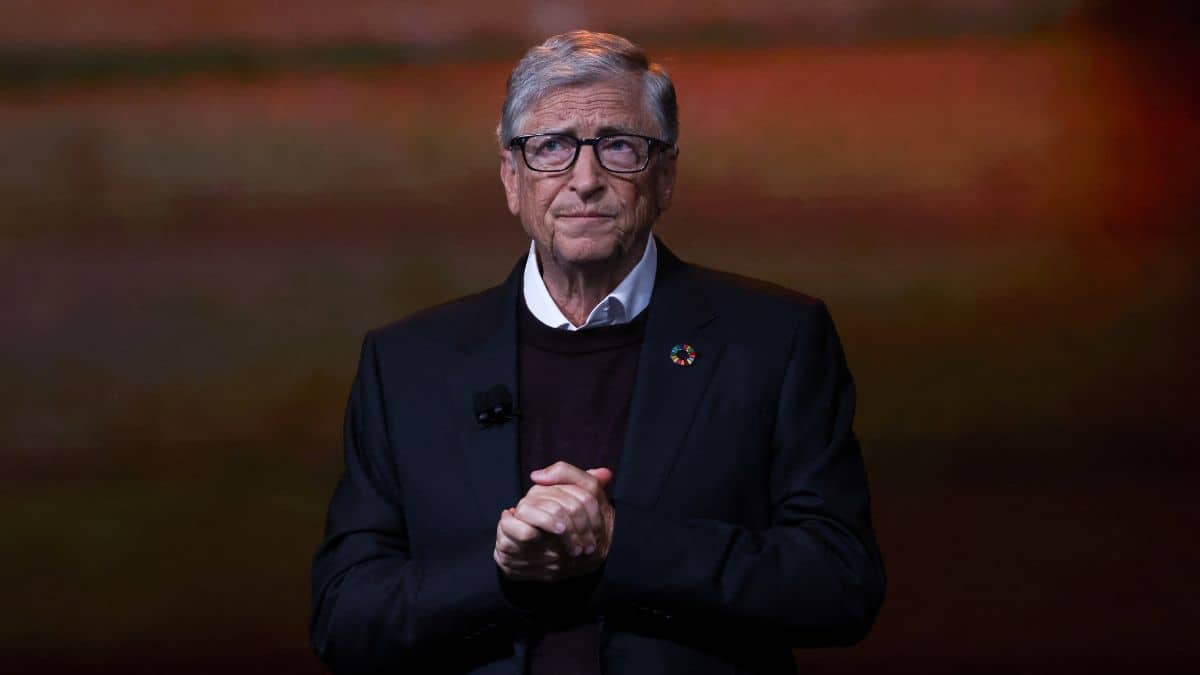
Yet, the immense power of these systems means that localized deployment cannot exist in a geopolitical vacuum, making cross-border diplomacy an urgent prerequisite for survival. Visionary leaders like Bill Gates advocate passionately for robust, pragmatic collaboration between rival superpowers, including the United States and China, particularly on safety-critical domains where shared threats jeopardize global stability. Whether establishing guardrails to prevent state-sponsored cyber warfare or monitoring biological research vectors, isolated national policies are fundamentally insufficient. Through cultural understanding of global interdependence, international cooperation is reframed not as a diplomatic luxury, but as an absolute shield protecting the global commons from cascading technological failures.
Achieving this delicate equilibrium ultimately requires proactive, highly informed political leadership capable of looking past short-term electoral cycles to grasp the long-term arc of technological change. Gates emphasizes that modern political leaders must deeply understand the mechanics, limitations, and societal impact of artificial intelligence, stating an ongoing willingness to engage directly with government officials to advocate for policies that position technology as a true global equalizer. Through strategic storytelling, the responsibility of governance is cast as an active stewardship of human destiny—ensuring that laws and safety frameworks evolve as rapidly as the code itself.Ultimately, this pivotal moment in technological history transcends standard economic forecasting or software development updates. Through transformational framing, the rise of artificial intelligence is elevated into the ultimate test of human wisdom—proving that by confronting risks with clear-eyed realism, democratizing access across every spoken language, fostering cross-border collaboration, and demanding courageous political leadership, humanity can master this transformative era and ensure that the future leaves no one behind.