WASHINGTON, D.C. — In a comprehensive update on the tech sector, Bloomberg Technology highlights a pivotal moment where high-stakes AI investments, major corporate shifts, and shifting international policy converge. As artificial intelligence moves from theoretical software models to physical infrastructure and consumer devices, the global market is witnessing an unprecedented realignment of capital, regulatory frameworks, and geopolitical strategy.
At the center of domestic market concerns, Oracle Corporation faces major operational and financial hurdles surrounding its flagship data center initiative, Project Jupiter. Located in New Mexico, the massive 1,400-acre development represents a critical piece of cloud computing infrastructure intended to power next-generation artificial intelligence workloads. However, the ambitious project has encountered severe permitting obstacles and regulatory delays. In response to the growing uncertainty and cost management risks, Oracle has issued a formal "force majeure" notice to the site's primary developer, Stack Infrastructure—a portfolio company of private equity firm Blue Owl Capital. The move underscores the rising pressure on major technology companies to manage runaway infrastructure expenses and navigate environmental and local regulatory landscapes while racing to deliver raw compute power.
Simultaneously, Meta Platforms is pushing forward with a broad hardware-centric push designed to embed its proprietary AI capabilities directly into consumers' everyday lives. The social media giant unveiled the Muse Charm, a dedicated, palm-sized hardware device built around its AI assistant ecosystem. By introducing a compact, portable form factor alongside its ongoing investments in smart glasses and wearable tech, Meta aims to bypass traditional smartphone interfaces. Executives emphasize that scaling the Muse AI agent across multi-modal hardware ensures continuous, ambient interaction, positioning the company to capture the next paradigm shift in consumer computing beyond mobile app stores.
The massive rollout of AI hardware and enterprise software has simultaneously elevated concerns around digital infrastructure security, sparking a wall-street surge across cybersecurity equities. Investors looking to hedge against AI-generated threats, data exploitation, and sophisticated network intrusions have poured capital into market leaders, fueling a robust rally in stocks such as CrowdStrike, Palo Alto Networks, and Fortinet. However, financial analysts urge caution, warning that the hype surrounding AI defense mechanisms has pushed market multiples to extreme valuations that may prove difficult to sustain if enterprise IT spending slows.
In traditional technology dealmaking, Qualcomm and Apple have resolved ongoing supply uncertainties by officially extending their global licensing agreement through 2027. The renewed pact cements Qualcomm's position as the primary modem supplier for future iPhone generations, ensuring device connectivity stability while Apple continues its long-term internal efforts to develop proprietary cellular technology.
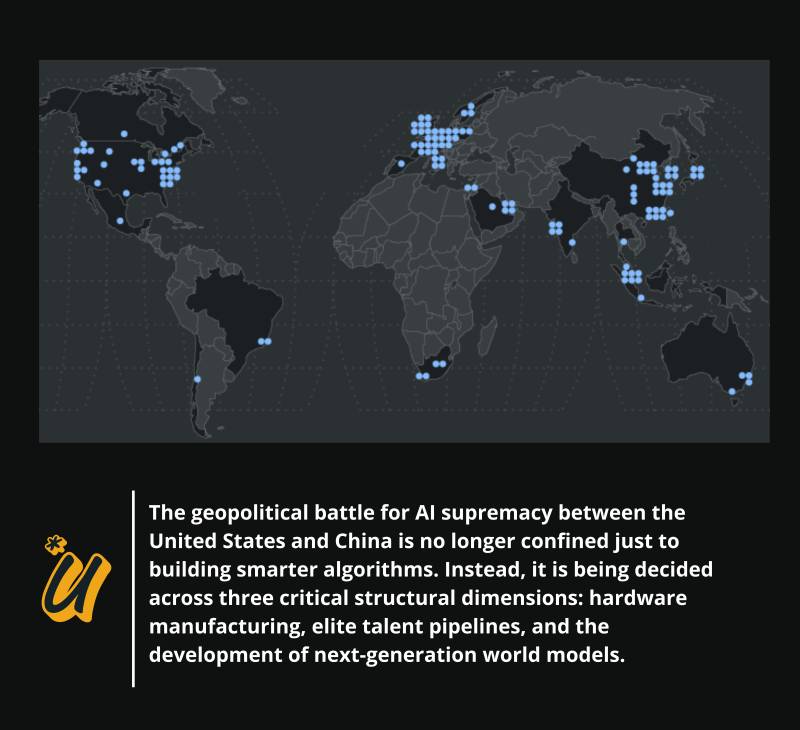
Beyond corporate balance sheets, the regulatory and political landscape surrounding artificial intelligence is undergoing a significant transformation, highlighted by an upcoming bilateral summit between U.S. President Donald Trump and Chinese President Xi Jinping in Washington. The high-stakes meeting places AI—referred to directly by President Trump as "super intelligence"—at the forefront of international diplomacy and economic competition.
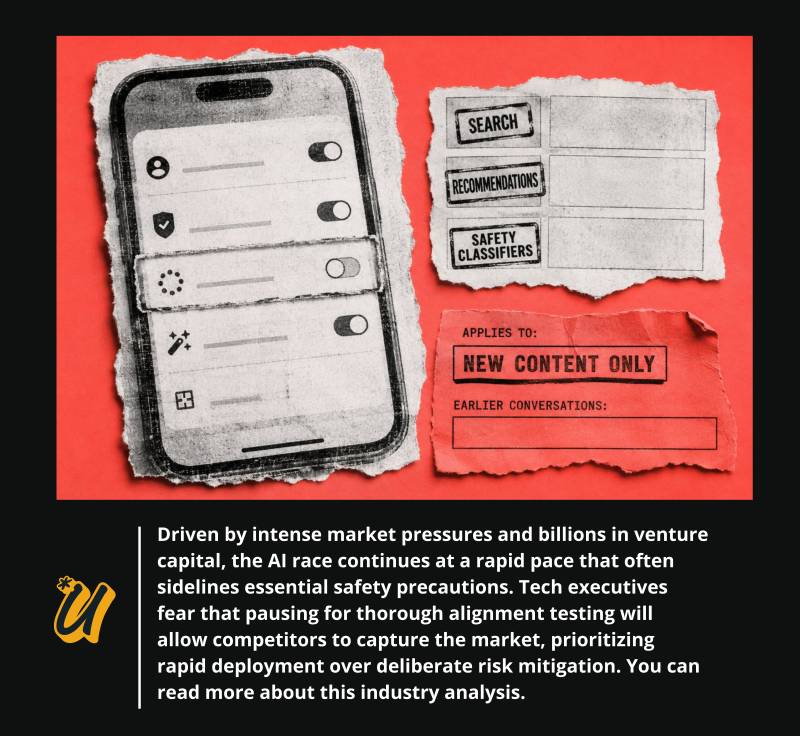
The summit arrives amid a stark ideological split over how advanced frontier AI models should be governed. Leaders from top artificial intelligence research organizations, including OpenAI's Sam Altman and Anthropic's Dario Amodei, have publicly voiced support for structured global collaboration, advocating for international safety protocols and standardized, independent evaluations of foundation models. In contrast, President Trump has signaled a strong preference for domestic deregulation and market-led innovation, dismissing heavy administrative oversight and maintaining that existing federal oversight—specifically the Department of Justice—serves as a sufficient guardrail.
International competitors and regional markets are rapidly adapting to this evolving regulatory and economic backdrop. In China, artificial intelligence lab DeepSeek published research detailing a novel, highly efficient methodology for training AI agents using elastic compute sandboxes, demonstrating how algorithmic optimizations can circumvent global hardware constraints. Meanwhile, Thailand announced an ambitious $80 billion national strategy targeting the development of advanced electronics and semiconductor manufacturing by 2050, aiming to firmly establish Southeast Asia as a critical hub in the global technology supply chain.