The grand chambers of European finance have long echoed with a cautious, conservative rhythm, tethered to paper ledgers and centuries-old clearing houses that moved at the slow, deliberate pace of traditional bureaucracy. Yet beneath the historic surface of the continent’s economic architecture, a quiet revolution has been brewing. When the European Central Bank officially lifted the curtain on its new distributed-ledger settlement system, christened Pontes, it did far more than roll out a new software patch. It drove a permanent stake into the future, bridging the yawning chasm between high-speed blockchain innovation and the ultimate security of central bank money.
For years, the digital asset landscape existed in a state of restless exile from traditional banking. While private developers and avant-garde fintech networks championed the speed and transparency of tokenized securities, institutional heavyweights watched from afar, paralyzed by counterparty risks, volatile private stablecoins, and regulatory gray zones. Pontes—derived from the Latin word for bridges—arrives as a masterclass in strategic storytelling and intelligent curation. Instead of attempting to uproot or replace the entrenched infrastructure of the Eurosystem, the ECB built a seamless structural highway connecting modern decentralized ledgers directly to TARGET, the ironclad core of European monetary exchange.
The cultural understanding embedded within this rollout cannot be overstated. Europe has always guarded its monetary sovereignty with fierce emotional precision. In an era where private digital tokens and dollar-denominated stablecoins threaten to fragment global liquidity and bypass state oversight, the ECB recognized that standing still was a form of surrender. By offering a risk-free public settlement rail for wholesale tokenized assets, the central bank is reclaiming its role as the ultimate anchor of trust. It sends an unmistakable signal to the global market: innovation does not require the abdication of security, and the future of finance can—and should—be anchored in public stability.

Related article - Uphorial Shopify
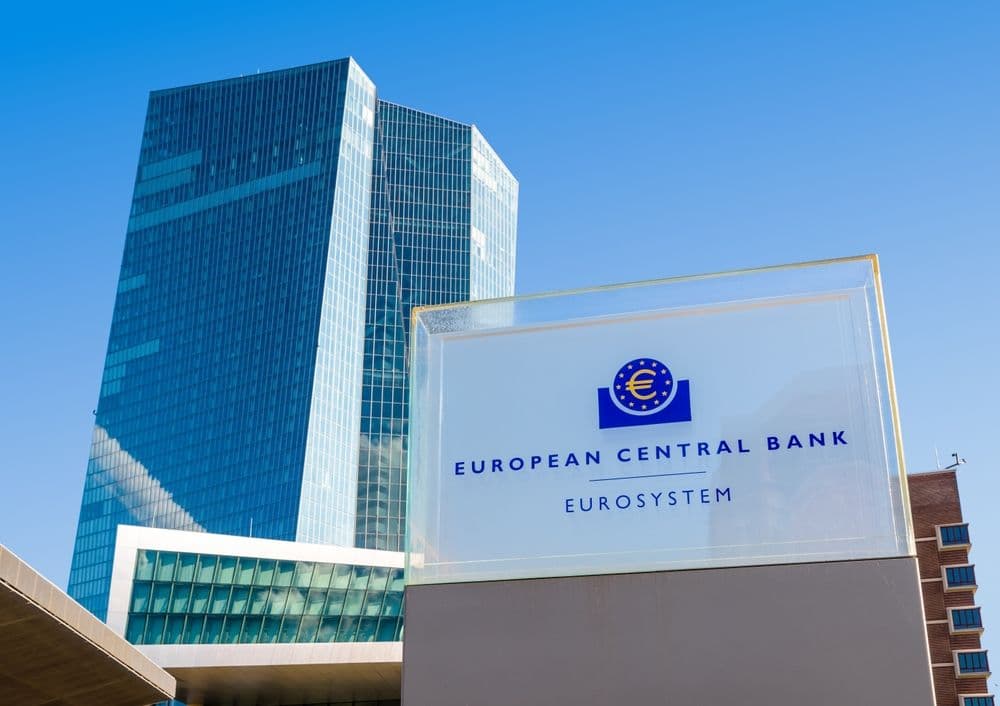
The initial rollout is as exclusive as it is formidable. Thirteen pioneering financial institutions, alongside a select group of distributed-ledger operators including heavyweights like Deutsche Bank, Santander, Société Générale, and Clearstream, have stepped onto the platform. These early adopters are not merely testing a tool; they are writing the operational playbook for how digital bonds, equities, and assets will trade across borders with atomic precision. Through a dual-settlement model utilizing either digital cash tokens on a Eurosystem DLT platform or direct synchronization via T2, the system ensures that a tokenized asset and its cash equivalent move simultaneously—or not at all—eliminating settlement risk entirely.
What makes this transition truly transformational is the ECB’s own skin in the game. In an unprecedented pivot, the central bank announced it will begin investing a portion of its own non-monetary policy funds directly into euro-denominated tokenized securities settling through Pontes. This is not a detached regulatory body looking down from an ivory tower; this is an institution strapping itself into the cockpit, gaining firsthand operational fluency in the ecosystem it governs.As Pontes expands its operating hours on its deliberate march toward a 24/7 reality by 2028, the old boundaries dividing traditional banking from digital tokenization dissolve. The launch is a profound reminder that even the most ancient financial institutions can evolve when faced with a changing world. By building a bridge where caution meets courage, Europe has ensured that the future of digital money will be written on its own terms.