PARIS — The rhythmic snip of shears against heavy silk and the low, intense murmur of an atelier at midnight form the overture to a new chapter in fashion history. In a mesmerizing documentary directed by the sharp-eyed chronicler of haute couture, Loïc Prigent, the curtains are pulled back to reveal an intimate, high-stakes psychological portrait of designer Antonin Tron. Tasked with the monumental responsibility of steering the historic house of Balmain into the future, Tron’s preparation for his debut collection is framed not merely as a corporate relaunch, but as a deeply spiritual, creative resurrection. It is a masterclass in strategic storytelling that captures the quiet, agonizing friction between the weight of a heritage archive and the fierce, modern impulse to innovate.
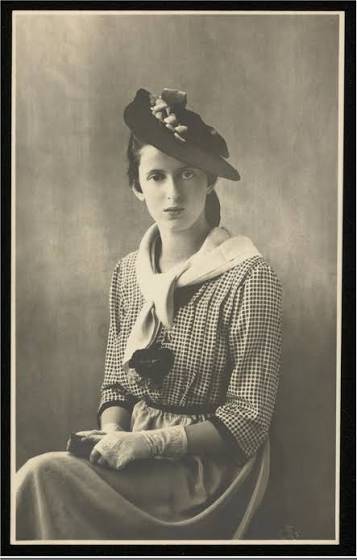
To truly understand the emotional precision driving Tron’s debut is to understand the ghosts that inhabit the house of Balmain. Founded in the wake of the Second World War, the maison was built on the concept of Jolie Madame—a celebrate of elegance that was fundamentally about reclamation, power, and armor for women who had survived an era of unprecedented global trauma. Rather than looking to the hyper-embellished, pop-cultural iterations of Balmain’s recent past, Tron dives deep into the foundations, drawing his primary inspiration from the fierce, fiercely independent women of the 1940s. These were the trailblazers Pierre Balmain originally dressed—women whose strength was reflected in their posture, their defiance, and their clothes.

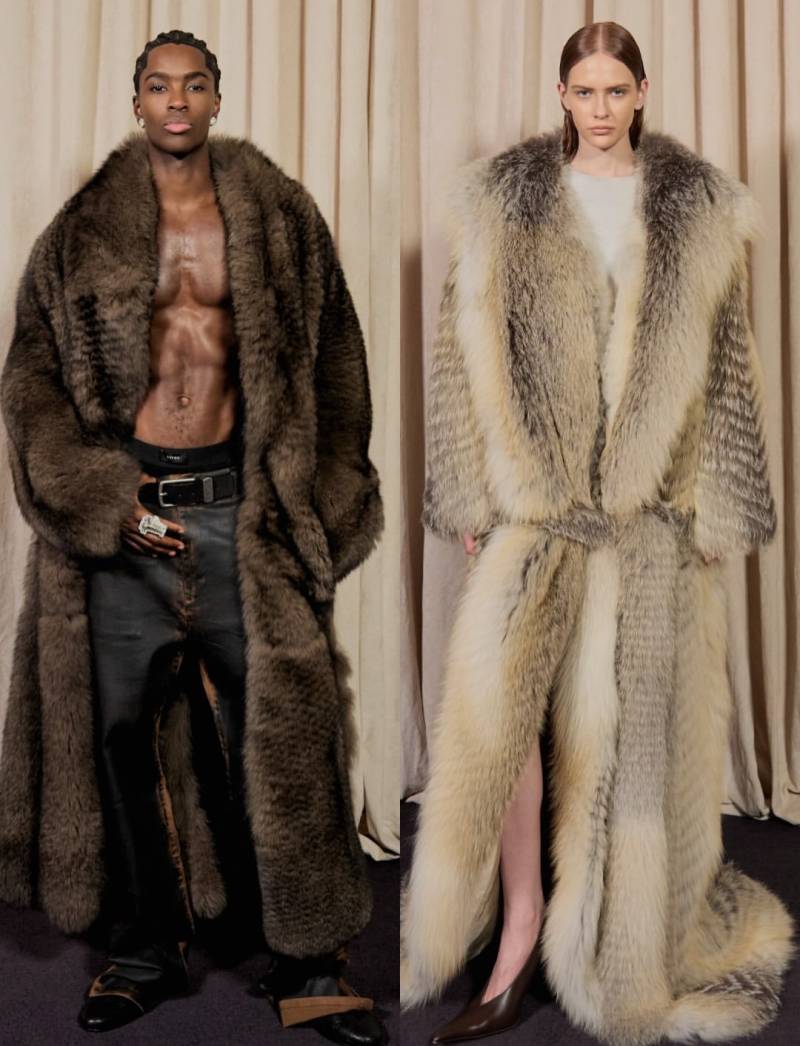
Tron translates this cultural understanding into a design language defined by razor-sharp silhouettes and sophisticated, liquid draping. His pieces do not merely sit on the body; they command the space around it. This vision is articulated through an incredibly intelligent curation of color. Rejecting the flat, commercial predictability of standard black, Tron introduces a nocturnal palette built entirely on "faux blacks"—deep, velvety indigos, bruised slates, and midnight charcoal tones that shift and reveal their true colors only when caught by the harsh glare of the runway lights. It is a transformational framing of eveningwear, suggesting that true sophistication lies in what is hidden, waiting to be discovered in the shadows.

Related article - Uphorial Shopify
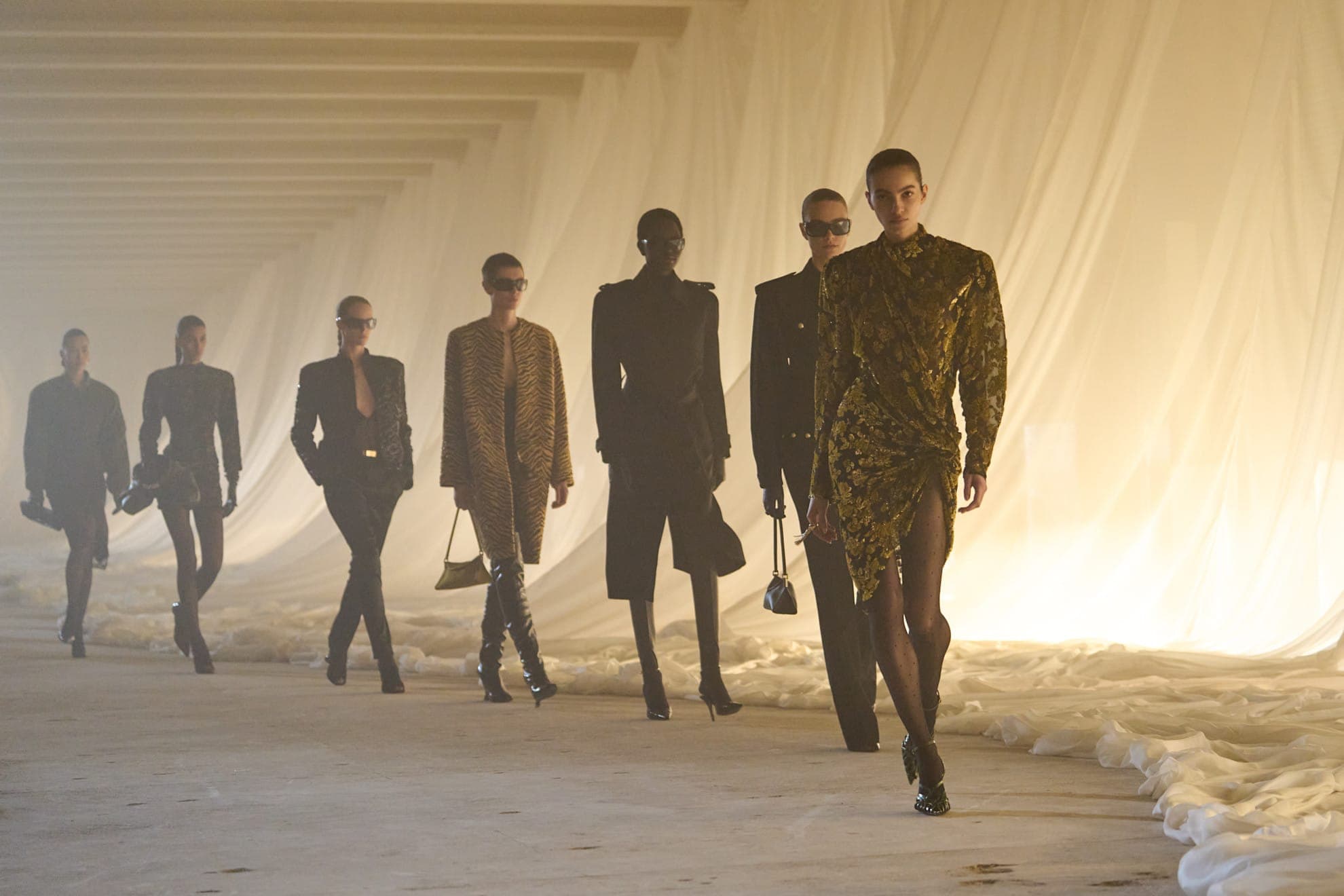
Behind this conceptual framework lies the staggering, exhausting reality of Parisian craftsmanship. Prigent’s lens lingers on the raw, unglamorous labor that underpins the illusion of luxury. The collection serves as an altar to meticulous artisan work, showcasing hours of relentless dedication by the petites mains in the atelier. Viewers are treated to the mesmerizing creation of intricate crystal fringe embroidery that moves like falling water, meticulously constructed leather feathers that mimic natural plumage with uncanny accuracy, and dense, hyper-detailed leopard-pattern embroidery that requires weeks of mathematical precision to execute. Tron treats these artisans not as simple executors of his will, but as co-conspirators in a grand artistic heist, pushing the limits of textile manipulation to ensure that every garment carries a tangible, human soul.

This creative rebirth coincides with a literal, physical transition for the historic maison. The documentary explores Balmain’s move into a pristine, new office space, a logistical headache that Tron and his team transform into a ritualistic new beginning. In a fascinating look at the designer’s holistic mindset, the workspace design was treated with the same emotional gravity as the garments themselves. The team engaged in an intentional balancing of the building's structural energy, meticulously placing specific stones and raw crystals throughout the studios to ward off creative stagnation and anchor the frantic energy of the design team. This detail highlights Tron's belief that a garment cannot exude power if the environment in which it was conceived is fractured or chaotic.
As the calendar pages turn toward Paris Fashion Week, the documentary’s pacing accelerates, capturing the punishing, round-the-clock work schedule that defines the final days before a debut. The sheer creative commitment required to revitalize a heritage brand is laid bare; eyes are bloodshot, tempers are frayed, and the air is thick with a mixture of adrenaline and exhaustion. Yet, through it all, Tron remains a calm, uncompromising anchor. He understands that a debut collection is a singular opportunity—a declaration of intent that will define his tenure and dictate the market's faith in the brand's contemporary relevance. When the music finally swells and the first model steps out onto the runway, the months of isolation, doubt, and painstaking labor instantly solidify into a definitive triumph. The collection emerges as a precise, fiercely sexy, and structurally strong manifesto. The garments manage to perform the ultimate sartorial tightrope walk: they pay a profound, recognizable homage to Pierre Balmain's mid-century architecture while feeling entirely essential, modern, and stripped of nostalgic sentimentality. Antonin Tron’s Balmain does not look backward with longing; instead, it uses the strength of the past as a springboard to catapult the modern woman into an unwritten, powerful future.