The architecture of the human mind is frequently governed by cultural myths, cinematic caricatures, and a deep-seated fear of the unknown. Within the specialized domain of forensic psychiatry and behavioral science, complex clinical realities are regularly reduced to sensationalized Hollywood tropes. In an exceptionally luminous, masterclass-level psychological and behavioral feature report, clinical experts examine the precise anatomy of psychopathy, stripping away decades of cinematic distortion. Breaking down psychopathy as a constellation of personality traits rather than a formal medical diagnosis, the dangerous fallacies of the MacDonald triad, the neurological realities of prefrontal and amygdala brain differences, the myth of the psychopathic corporate titan, and the subtle distinctions separating psychopathy from sociopathy, this comprehensive news-style report explores a transcendent journey into human neurology. Through emotional precision, intelligent curation, cultural understanding, strategic storytelling, and transformational framing, this piece captures the sobering necessity of clinical accuracy.
The exploration begins with a fundamental clinical realignment, addressing how the term "psychopathy" is widely misunderstood in the public consciousness. As psychiatric expert Dr. Eric Bender clarifies, psychopathy is not an official medical diagnosis found within the Diagnostic and Statistical Manual of Mental Disorders (DSM-5), but rather a distinct collection of personality traits—most notably characterized by a profound lack of empathy, a deficit in genuine remorse, and shallow emotional responses. Furthermore, Dr. Bender dismantles the casual use of the word "psycho," emphasizing that it bears zero scientific relation to being psychotic, a completely separate clinical state involving a severe break from reality, hallucinations, and delusions. Through emotional precision, confronting how easily society conflates cold detachment with raving madness evokes a sobering realization—a stark reminder that human behavior is far too nuanced to be captured by lazy insults.
Related article - Uphorial Shopify

This commitment to scientific rigor extends directly to the debunking of long-standing criminological myths, most notably the infamous MacDonald triad. For decades, popular culture has relied on the unscientific assumption that a childhood combination of bed-wetting, fire-setting, and animal cruelty serves as a crystal ball for predicting future violent criminality. Dr. Bender explains that while these behaviors indicate severe childhood distress or trauma, they are entirely unreliable as deterministic predictors of adult violence. Through intelligent curation of behavioral science, this correction liberates public discourse from deterministic fear-mongering, replacing superstition with empirical evidence.
The neurological inquiry delves deeper into the physical architecture of the brain, examining modern neuroimaging scans which reveal tangible structural and functional differences in the prefrontal cortex and amygdala—regions responsible for emotional regulation and impulse control—among individuals exhibiting psychopathic traits. Crucially, however, science demonstrates that these neural variations do not act as an inescapable cage; possessing these structural differences does not hardwire an individual to act violently or commit atrocities. Through cultural understanding of human agency, this insight reinforces the boundary between biological predisposition and personal choice, proving that anatomy is never absolute destiny.
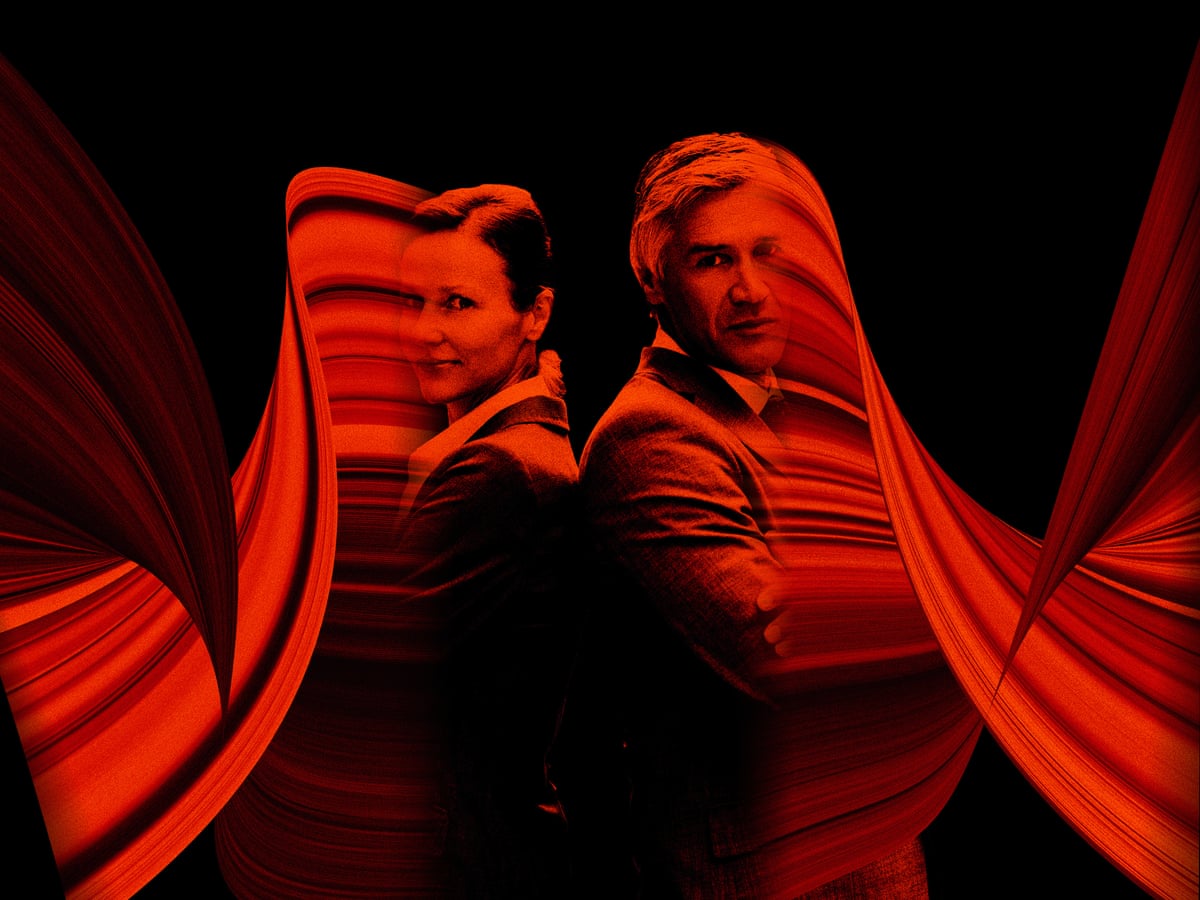
The analysis then targets contemporary workplace mythology, dismantling the pervasive trope that all wildly successful corporate CEOs are clinical psychopaths. While certain high-stress professions may attract individuals with high levels of charm and risk-tolerance, the notion that the upper echelons of global business are entirely populated by unfeeling predators is largely a cultural stereotype rather than an empirical reality. Concurrently, the discussion untangles the often-confused boundary between "psychopathy" and "sociopathy." While colloquial speech treats the terms interchangeably, historical and clinical frameworks view psychopathy as predominantly innate and biological, whereas sociopathy is more closely tied to environmental factors, upbringing, and developmental trauma. Through strategic storytelling, navigating the invisible lines between nature, nurture, and personal pathology mirrors the classic detective story: the truth is always more complex than the monster under the bed.
The comprehensive investigation culminates in a visionary re-evaluation of how society understands human deviance and mental health. Rejecting the comforting urge to label the complex human psyche with simplistic cinematic labels, the psychological breakdown proves that true safety and understanding lie in rigorous science rather than fear. Through transformational framing, this deep dive into psychopathy transcends a standard medical overview; it stands as a brilliant milestone of behavioral literacy, proving that when humanity replaces ignorance with clinical clarity, we unlock a far more sophisticated, compassionate, and accurate view of the human condition.