The architecture of proactive threat prevention, behavioral pattern recognition, and discreet executive protection reaches a masterly, illuminating peak in a candid briefing from seasoned professional bodyguards and close-protection specialists pulling back the curtain on their high-stakes craft. Dismantling the Hollywood caricature of the hulking, dark-suited sentinel relying on brute force, these operatives reveal an industry governed by cognitive agility, advance reconnaissance, and emotional intelligence—while translating their most effective field protocols into practical, everyday safety habits for ordinary citizens. In an exceptionally detailed security feature report and behavioral analysis, chroniclers examine a comprehensive masterclass defined by four foundational personal safety habits—unplugged situational awareness in transitional spaces, the baseline observation method, disciplined hand awareness, and advance route and exit preparation—alongside four revealing realities behind modern executive protection: the primacy of intuition and de-escalation over physical stature, chameleonic environmental blending, complex client problem-solving, and the understated everyday tools carried inside a specialist’s kit.
At the immediate behavioral frontier of personal safety lies a deceptively simple habit that modern digital life constantly erodes: keeping one’s head up and phone tucked away, particularly inside vulnerable transitional spaces such as parking garages, sidewalks, doorways, and street crossings. Security specialists stress that predatory opportunism thrives on distracted targets whose visual and auditory bandwidth is locked onto a glowing screen. Stepping out of a building into a dimly lit lot or stepping off a curb demands full sensory engagement—scanning doorways, parked vehicles, and approaching foot traffic rather than surrendering awareness at the exact threshold where vulnerability spikes. Through emotional precision, recognizing how effortlessly a smartphone screen isolates a pedestrian from the surrounding street exposes the quiet vulnerability we invite into routine errands, proving that genuine personal security begins not with fear, but with choosing to remain visibly present in one’s own environment.
Central to transforming passive looking into disciplined observation is what protection specialists call the baseline method. Every physical setting—whether a busy commuter terminal, a neighborhood café, or an office lobby—possesses a natural rhythm, pace, and collective demeanor. By consciously registering what "normal" looks and sounds like for a given space and time of day, an observer establishes a mental benchmark against which anomalies stand out immediately. When an individual lingers motionless against a flow of brisk commuters, wears heavy winter outerwear on a mild afternoon, or tracks passersby with repetitive visual sweeps, that departure from the environmental baseline signals an early warning long before an overt confrontation unfolds.
Through intelligent curation of physical threat cues, professionals pair broad environmental scanning with a laser focus on human anatomy—specifically, hand awareness. As veteran operatives emphasize, words and facial expressions may posture, yet hands are where physical threats originate and materialize. Consequently, security experts train themselves—and advise civilians—to note whether individuals within close proximity have their hands visible or concealed deep inside pockets, waistbands, or jacket folds, allowing an attentive person to create distance or adjust posture the moment a hand disappears or moves abruptly.

Related article - Uphorial Shopify

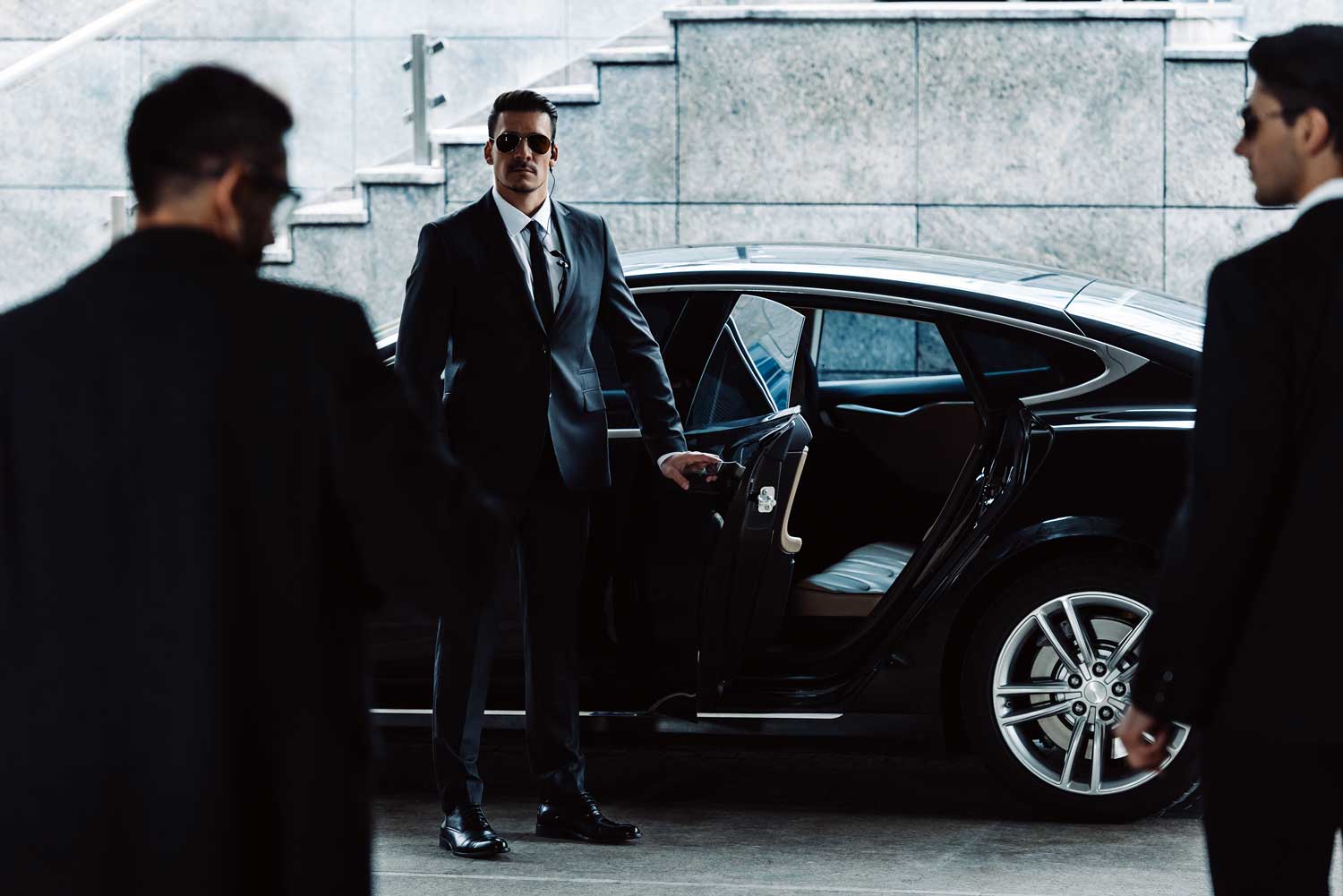
Rounding out their practical civilian toolkit is the discipline of advance preparation—treating spatial familiarity as an effortless daily reflex rather than a paranoid chore. Before settling into a restaurant booth, hotel lobby, or crowded venue, specialists automatically identify primary and secondary exits, map alternative escape routes, and note structural cover. Because most people instinctively flee through the same doorway they entered during an emergency, taking four seconds upon arrival to locate a side or rear exit provides a decisive margin of safety when crowds panic.Through a deep structural understanding of the profession behind closed doors, the specialists then dismantle pervasive myths surrounding executive protection itself. Contrary to popular imagination equating capability with towering muscle mass, long-term survival and excellence in close protection depend overwhelmingly on intelligence, sharpened intuition, and verbal de-escalation. The finest bodyguards measure success not by winning physical altercations, but by reading escalating tension early enough to steer a principal clear of danger altogether.
To execute that preventative mission without broadcasting their presence, modern protection agents operate as chameleons—calibrating attire and demeanor to blend seamlessly into whatever milieu their principal inhabits. Whether dressing in casual campus wear to shadow a university student or adopting tailored corporate attire beside a chief executive, blending into the environment eliminates the visual beacon that attracts unwanted scrutiny while preserving unobstructed tactical proximity.

Equally illuminating is the nuanced human dynamic between protector and client. While physical safety remains the non-negotiable mandate, executive protection specialists routinely function as discreet logistical problem solvers—smoothing travel friction, managing itineraries, and navigating unpredictable public spaces—while occasionally exercising diplomatic firmness to protect clients from their own impulsive or risky decisions.Finally, a glimpse inside a specialist’s everyday carry reveals a philosophy favoring versatile, low-profile utility over theatrical hardware. Alongside essentials designed to rescue a principal from minor daily emergencies—from portable power banks for dying phone batteries to stain removers before high-stakes meetings—professionals rely on compact, high-lumen tactical flashlights capable of illuminating dark perimeters, verifying credentials, and momentarily disorienting an aggressor’s night vision to buy crucial seconds for escape.
Strategic storytelling connects the world’s highest-level protection details directly to an ordinary commuter walking to a parked car at dusk, demonstrating that elite security is ultimately an applied discipline of attention, foresight, and calm judgment.Through transformational framing, this insider briefing from executive protection specialists transcends routine self-defense tips. It stands as an enduring chronicle of human vigilance and quiet professionalism, proving that when unplugged awareness, baseline observation, spatial preparedness, and calm intuition align, personal safety rises beyond reaction or intimidation—becoming an empowering, everyday mastery of how we move through the world.