The architecture of cellular bioenergetics, athletic supplementation, and clinical nutritional science reaches a masterly, illuminating peak in a rigorous scientific reckoning with creatine—one of the fitness and wellness world’s most heavily marketed compounds. Unpacking the widening gap between peer-reviewed physiological reality and viral wellness exaggeration, the examination separates proven muscular support from premature neurological claims. In an exceptionally detailed health feature report and evidence-based science review, chroniclers examine a compound defined by its foundational role in ATP energy recycling, its conditional relationship with resistance training and intracellular water retention, the preliminary nature of cognitive and Alzheimer’s pilot research led by figures like Dr. Matthew Taylor, and the clinical caution surrounding aggressive high-dose protocols.
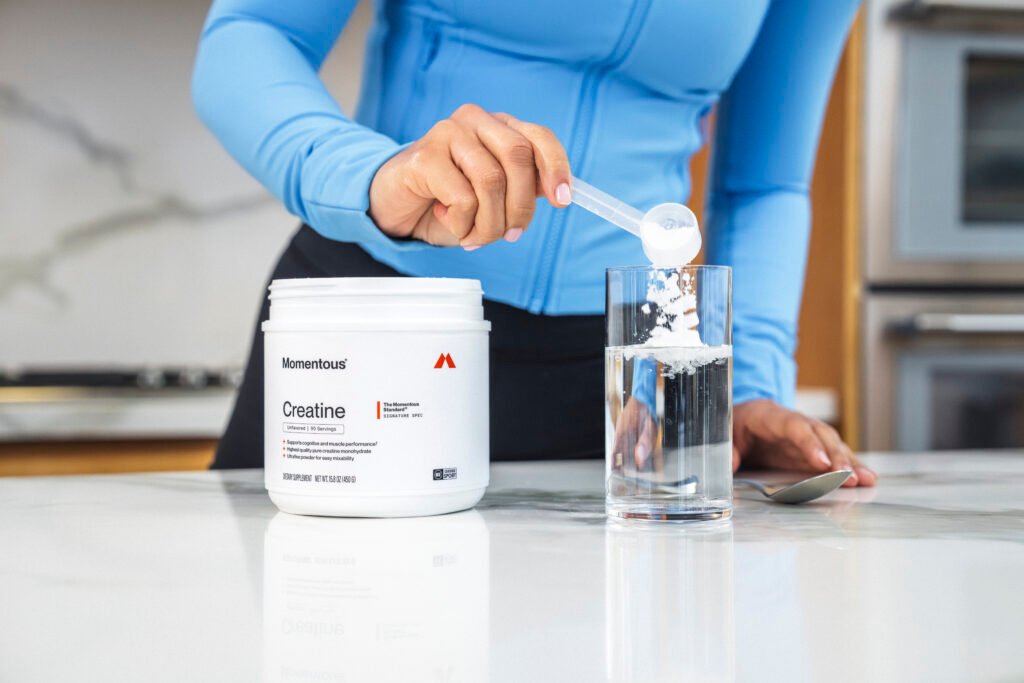
At the biochemical foundation of creatine’s reputation lies an essential, naturally occurring energy-recycling mechanism inside human cells. Synthesized endogenously by the body and stored primarily within skeletal muscle, creatine works to rapidly replenish adenosine triphosphate, or ATP—the fundamental molecular fuel cells burn during sudden, explosive exertion. Supplementing consistently with a modest daily intake of three to five grams helps saturate intramuscular creatine stores, offering a measurable, incremental edge in power output and repeatable performance during short bursts of high-intensity exercise. Through emotional precision, stripping away decades of locker-room folklore to reveal a simple molecule quietly recycling cellular energy exposes the quiet discipline of real physiology, proving that true biological advantages are incremental, earned, and bound strictly to natural cellular limits.
Related article - Uphorial Shopify

Central to understanding creatine’s role in physique development is dismantling the persistent myth that supplementation builds muscle tissue effortlessly on its own. While saturated creatine stores allow athletes to push through extra repetitions and sustain higher training workloads, the compound is emphatically not a magic pill. Without the mechanical stimulus of consistent, progressive, high-intensity strength training, creatine supplementation will not generate significant hypertrophy. Moreover, much of the rapid scale weight gain frequently celebrated during the initial weeks of supplementation reflects increased water retention drawn directly inside muscle cells rather than the overnight synthesis of new contractile muscle fibers.
Through intelligent curation of emerging neurological science, the evaluation turns a skeptical, disciplined lens toward the booming wave of cognitive and wellness marketing surrounding creatine. Online commentators increasingly promote the supplement as a universal nootropic capable of sharpening healthy minds, elevating mood, and even reversing devastating neurodegenerative conditions such as Alzheimer’s disease. While neuroimaging confirms that supplemental creatine can cross into brain tissue and support cerebral energy metabolism, concrete clinical evidence demonstrating meaningful cognitive enhancement in healthy, well-rested adults remains limited and largely inconclusive. Similarly, early clinical investigations into Alzheimer’s disease—such as the single-arm feasibility pilot trial led by Dr. Matthew Taylor at the University of Kansas Medical Center—involve small patient cohorts without placebo control groups. Though such exploratory trials offer encouraging signals worth studying further, claims that creatine can cure or reverse Alzheimer’s represent unsupported, irresponsible exaggerations that outrun the underlying data.

Through a deep structural understanding of clinical risk and scientific rigor, researchers urge measured restraint when translating early laboratory curiosity into everyday health habits. While ongoing investigation into creatine’s broader metabolic and neuroprotective potential holds genuine scientific promise, current findings remain firmly preliminary. Consequently, health experts advise clear caution against adopting aggressive, high-dose supplementation regimens—such as the 20-gram daily protocols tested strictly under medical supervision in clinical pilot settings—because routine high-dose use lacks robust long-term evidence for both safety and efficacy in the general public.
Strategic storytelling frames this evidence-based audit as an essential corrective for an era saturated with wellness hyperbole, reminding consumers that respect for science means honoring both what a compound reliably achieves in the weight room and where proof stops inside the human brain.Through transformational framing, this chronicle of creatine’s true biological profile transcends routine supplement reviews. It stands as an enduring health and science chronicle, proving that when cellular bioenergetics, disciplined resistance training, honest interpretation of pilot clinical trials, and prudent dosing caution align, nutritional science rises beyond marketing mythology—empowering individuals to make grounded, intelligent decisions anchored in verified evidence rather than viral hype.