The architecture of human immune defense, acute systemic emergency management, and community health literacy reaches a masterly, illuminating peak in a comprehensive breakdown of sepsis and critical wound care management. Unpacking the dangerous boundary between localized infection and life-threatening systemic collapse, the narrative exposes how delayed clinical intervention and widespread home mismanagement cost thousands of preventable lives every year. In an exceptionally detailed medical feature report and clinical health breakdown, health chroniclers examine a vital guide defined by biological mechanisms, dangerous treatment myths, antibiotic stewardship, subtle early warning signals, and rapid emergency escalation.
At the core of understanding this medical crisis lies a fundamental physiological distinction: sepsis is not the invading pathogen itself, but the body's overreactive, hyper-inflammatory immune response to an infection. When a localized bacterial, viral, or fungal breach spirals out of control, the body unleashes a cascade of inflammatory chemicals into the bloodstream, triggering widespread vascular leakage and blood clotting. Left unchecked, this systemic storm quickly progresses to septic shock—a catastrophic state characterized by a severe drop in blood pressure, compromised cellular perfusion, and rapid multi-organ failure. Through emotional precision, realizing that one's own immune system can turn destructive when overwhelmed instills a sobering reverence for body chemistry, proving that sepsis is a battle against time inside the human vascular network.

Related article - Uphorial Shopify

Addressing widespread public health misconceptions, clinical experts issue a stern warning against traditional home remedies and improper wound care. In many communities, misguided practices such as applying household toothpaste, using unsterilized rags, or sprinkling crushed, unprescribed antibiotic powder directly onto open cuts remain common. Far from neutralizing pathogens, these improper substances introduce foreign contaminants, seal in harmful bacteria, irritate sensitive tissues, and delay proper clinical treatment. Parallel to these hazardous remedies is the pervasive danger of antibiotic self-medication. Taking antibiotics without a physician's explicit diagnosis or failing to complete the full prescribed course fuels global antimicrobial resistance, effectively rendering life-saving medications useless when a severe systemic infection strikes.
Through a deep cultural understanding of early diagnostic vigilance, the analysis highlights the subtle, often misleading early warning signs of systemic decline. Because sepsis frequently masquerades as a common flu or minor illness, individuals must remain hyper-aware of specific red-flag indicators. Key warning symptoms include an unexplained high fever paired with severe chills, an abnormally rapid heartbeat, hyperventilation or shallow fast breathing, sudden cognitive confusion or disorientation, and a drastic drop in urine output signaling acute kidney stress. Recognizing these subtle systemic clues before organ damage becomes irreversible represents the single most critical window for survival.
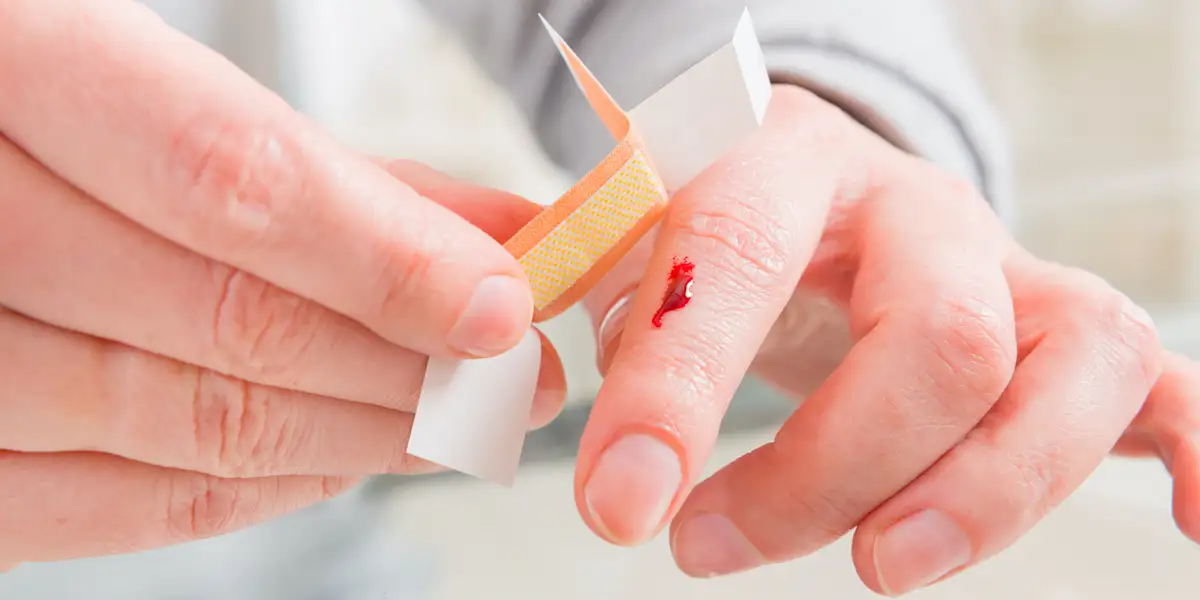
Strategic storytelling anchors prevention at the source, outlining the fundamental protocols of proper primary wound care. Preventing sepsis begins with simple, meticulous hygiene: immediately washing cuts, scrapes, or minor punctures under clean, running water with mild soap. Following initial cleaning, wounds must be monitored daily for localized signs of infection, such as spreading redness, localized heat, tight swelling, purulent discharge, or dark red lines streaking upward toward the heart along lymphatic pathways. Should a person with an existing wound or minor illness begin exhibiting confusion, rapid breathing, extreme lethargy, or fainting, the situation transcends home care entirely; it is a critical medical emergency requiring immediate, high-priority hospital transport.
Through transformational framing, this deep dive into sepsis recognition and wound safety transcends standard medical advice summaries. It stands as an enduring public health chronicle, proving that when foundational hygiene practices, responsible drug stewardship, early symptom recognition, and decisive medical action align, communities build a powerful defense system capable of turning systemic tragedy into life-saving survival.