The modern art of global exploration has reached a curious crossroads. We live in an era where the world has never been more accessible, yet the friction of cost—the relentless inflation of flights, the opaque pricing of hospitality, and the hidden fees of transit—often serves as a barrier to those who possess the hunger for discovery but lack the bottomless budget of the traditional luxury traveler. The solution, however, is not to sacrifice the quality of one's experience but to fundamentally change the strategy of the journey. By applying a layer of digital intelligence and tactical foresight to the planning process, the savvy traveler can effectively bypass the artificial premiums placed on global mobility. What follows is a blueprint for the modern wanderer: a curated, fifteen-point framework designed to reclaim agency over one's itinerary, ensuring that every dollar spent is an investment in experience rather than an exercise in overpayment.
The architecture of a budget-friendly journey begins long before the suitcase is packed. It starts in the digital ether, where the mechanics of dynamic pricing often work against the consumer. The most immediate defense is the adoption of "privacy-first" booking behaviors. Simply utilizing an incognito window or clearing browser cookies is a foundational step in preventing tracking algorithms from inflating prices based on one’s search frequency. For the more advanced traveler, the deployment of a Virtual Private Network (VPN) can be a powerful tool to mask one's digital location, potentially revealing regional pricing variations that favor the local market over the international shopper. These digital hygiene practices are not mere inconveniences; they are strategic maneuvers that ensure the traveler is seeing the true market price, rather than a rate adjusted by artificial, data-driven inflation.
The geography of the trip itself should be treated as a flexible variable. Rather than committing to a specific destination and being held hostage by its seasonal pricing, the intelligent traveler uses the "Explore" or "Everywhere" search functions now standard on major travel platforms. By allowing the market to dictate the destination based on the lowest cost of entry, the traveler can discover hidden gems and emerging locales that would have remained invisible under a more rigid approach. This destination flexibility, when paired with the strategic selection of mid-week flights—Tuesdays, Wednesdays, and Saturdays—as well as the often-ignored red-eye or midday slots, creates a massive opportunity for savings. This is further bolstered by the automation of price alerts, which transforms the hunt for the perfect fare from a manual, time-consuming labor into a passive, data-driven process.Once the ticket is secured, the focus must shift to the granular management of the stay. The philosophy of "book now, optimize later" is essential. By prioritizing properties that offer free cancellation, the traveler creates an insurance policy against their own budget. One can book a secure base, continue to monitor market shifts, and re-book if rates drop, effectively guaranteeing the best available price without the risk of losing out on availability. Parallel to this, the integration of airline shopping portals and cashback platforms ensures that the inescapable costs of travel are leveraged into points or rebates. This is not about cutting corners; it is about the intelligent orchestration of existing travel needs into a system that rewards the user for their own planned spending.

Related article - Uphorial Shopify

The transition from the planning phase to the "on-the-road" experience requires a shift toward self-sufficiency. The modern traveler should view their smartphone not just as a camera, but as a command center. The reliance on expensive international roaming plans is a relic of a less connected past; the adoption of a digital eSIM allows for instant, affordable, and high-quality data access upon landing, removing the stress of connectivity and the reliance on unstable public Wi-Fi. Similarly, the physical logistics of the trip should be streamlined to eliminate the "convenience tax." A reusable, filter-equipped water bottle is perhaps the single most impactful item one can carry, providing a consistent, sustainable, and cost-free solution to hydration while eliminating the recurring expense of bottled water.Physical security and efficiency are the hidden pillars of a stress-free itinerary. The digitization of essential documents—passports, insurance, and itineraries—stored securely in cloud-based repositories provides a critical safety net against the inevitable mishaps of the road. On the hardware front, the inclusion of a compact power strip eliminates the frustration of searching for multiple outlets, allowing for the simultaneous charging of all devices through a single adapter. These small, deliberate choices accumulate into a travel experience that is both more comfortable and significantly more resilient.
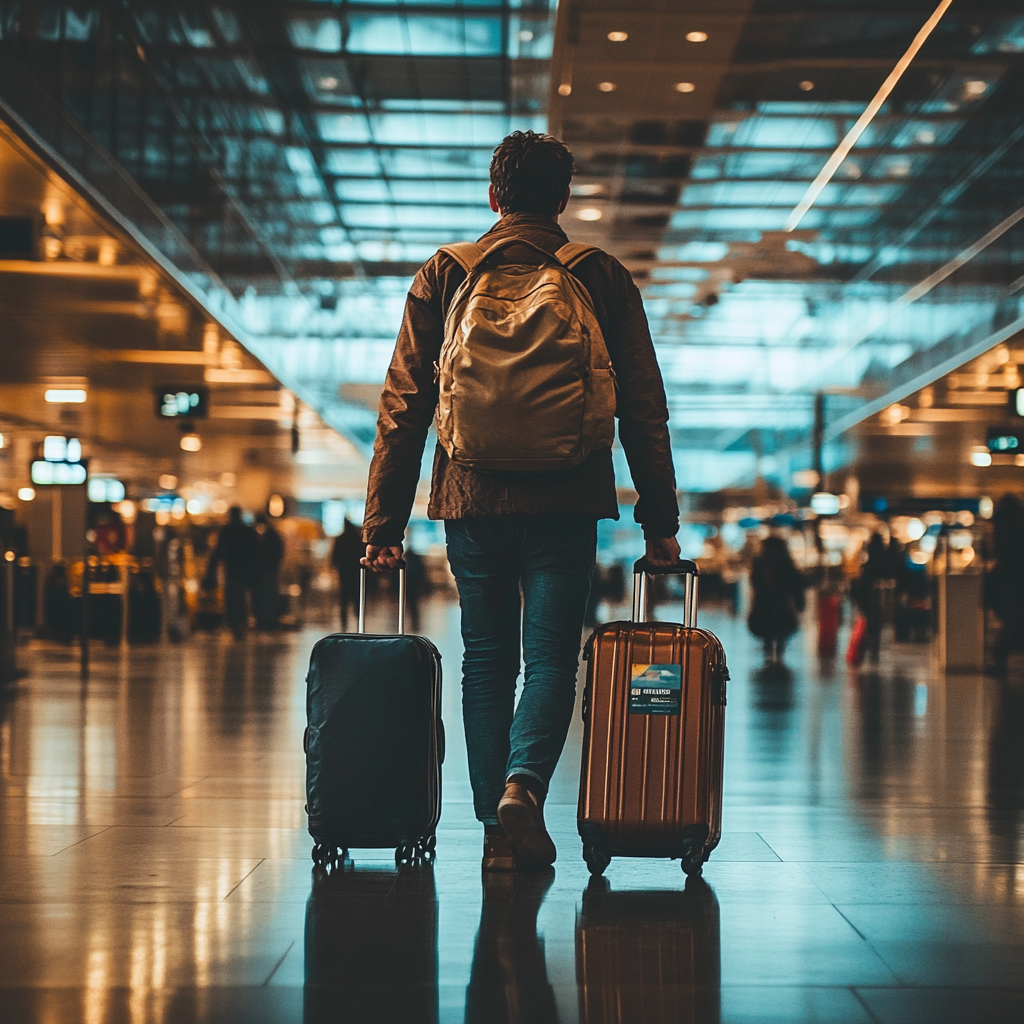
Perhaps the most significant cultural shift the budget-conscious traveler can make is in how they engage with local environments. The instinctual pull toward "top-rated" tourist-heavy restaurants is a trap that leads to inflated prices and, often, a diluted cultural experience. By utilizing mapping tools to filter by "distance," the traveler is encouraged to find family-run eateries that are typically more authentic, affordable, and deeply rooted in the local community. Similarly, the decision to book tours and local experiences in person, rather than through third-party aggregators, often results in direct support for local operators and the potential for a more intimate, small-group atmosphere.Finally, the discipline of packing light serves as a final, powerful barrier against the "baggage fee" economy. By utilizing packing cubes, strategically wearing the heaviest items in transit, and rigorously adhering to airline policies, the traveler avoids the unnecessary costs that can derail a carefully balanced budget. For the frequent traveler, an annual travel insurance plan offers a transformational change in value, providing peace of mind and financial security for every trip throughout the year at a fraction of the cost of individual, fragmented policies.
This comprehensive approach to travel is not just about reducing expenses; it is about fundamentally re-framing the relationship between the traveler and their destination. It is a transition from passive consumer to active curator. When one optimizes their flight, secures their digital presence, manages their local expenses with precision, and chooses authenticity over the "must-see" tourist traps, the result is a deeper, more profound connection to the world. Travel is an essential element of the human experience—a means of expanding one's perspective, testing one's comfort zones, and understanding the diversity of our global home. By mastering the strategic mechanics of the journey, we ensure that these experiences remain not just accessible, but sustainable for the long term. The world remains open to those who know how to navigate it with the right tools, the right mindset, and the right degree of intelligent foresight.