The architecture of Atlantic island identity, post-colonial sovereignty, and cultural resilience reaches an extraordinary synthesis across the ten volcanic islands of Cape Verde. Emerging from centuries of imperial experimentation, severe environmental droughts, and global dispersion, the archipelago stands as a glowing testament to human dignity and civic pride. In an exceptionally luminous documentary feature report and travelogue analysis, cultural chroniclers examine the multidimensional soul of the Atlantic nation. Breaking down its dramatic geographic diversity, its foundational ethos of Morabeza, the civic order of its capital, the economic power of its global diaspora, and the heavy historical shadows of colonial oppression, this news-style report explores a transcendent journey through a resilient island nation.
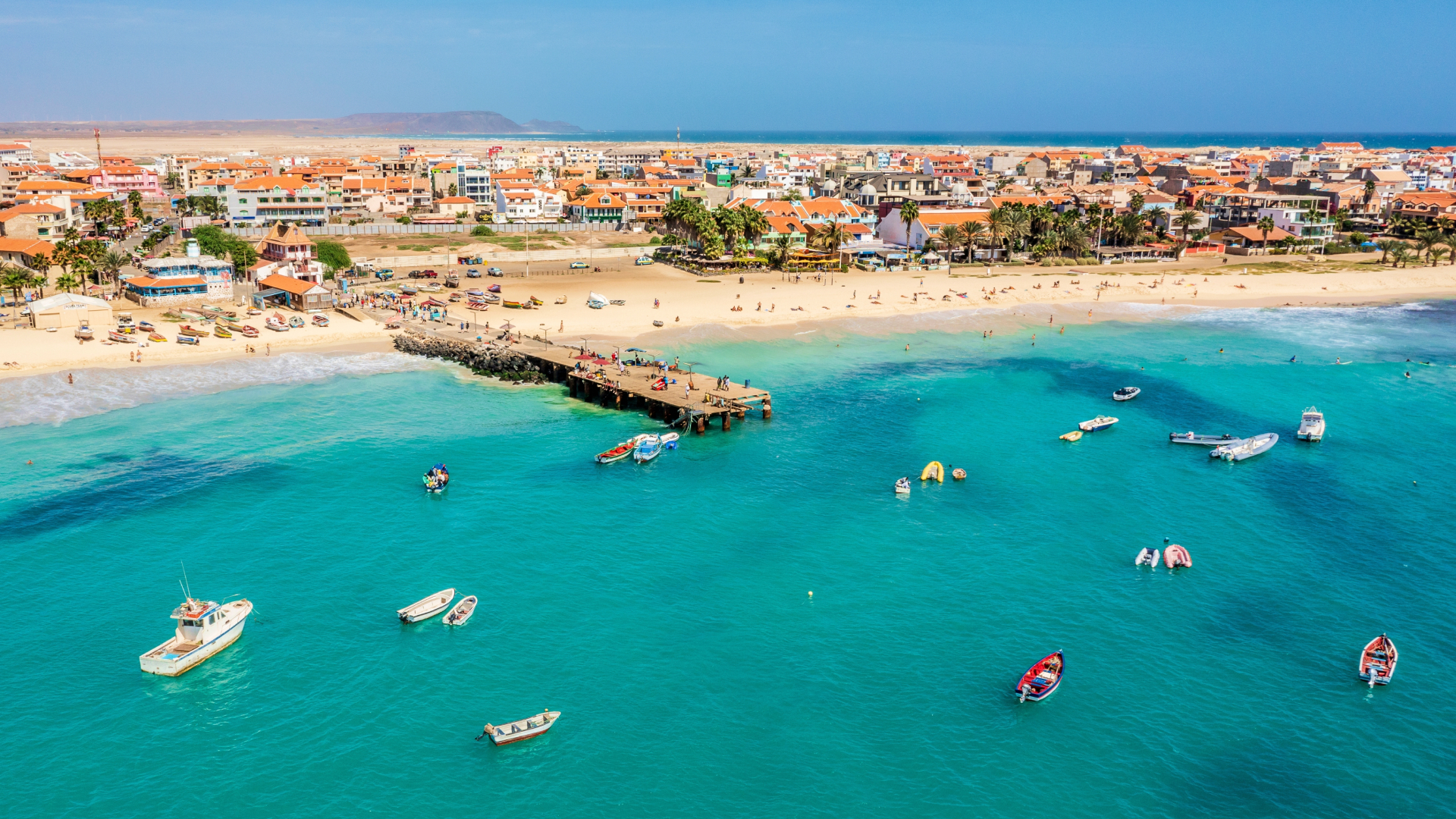
The visual and spatial narrative opens across an extraordinary geographical canvas where ten distinct volcanic islands rise abruptly from the central Atlantic Ocean. From the dramatic, cloud-draped mountain peaks and lush agricultural ravines of Santo Antão to the stark, sun-bleached desert dunes and expansive white sand beaches of Sal and Boa Vista, Cape Verde offers a breathtaking tapestry of natural contrasts. Through emotional precision, witnessing jagged volcanic rock give way to emerald-green valleys and turquoise ocean swells evokes a visceral sense of wonder—a stark reminder that nature's harshest elements can form a home of breathtaking, quiet beauty.
Related article - Uphorial Shopify

Yet, beyond the striking physical landscapes lies a deeply unified national identity rooted in the cherished cultural concept of Morabeza—the innate, warm hospitality and open-hearted spirit that defines the Cape Verdean soul. Despite a modest resident population, the country radiates an immense sense of national pride, visible in every corner of daily life. Streetscapes burst with the vibrant blue, white, red, and yellow colors of the national flag, while a shared passion for football and rhythmic morna music binds communities across every island district.
This profound civic pride manifests tangibly in the country's social infrastructure and urban governance. Visitors and observers consistently express awe at the meticulous cleanliness, organization, and social trust defining the capital city of Praia. In a remarkable display of civic courtesy and mutual respect, drivers consistently pause for pedestrians even in bustling urban areas lacking traffic signals, reflecting a deeply ingrained societal harmony that rivals major global capitals.

Addressing economic realities, the narrative shifts toward Cape Verde's vast global diaspora—a massive population living abroad across Europe, North America, and West Africa, born out of historical droughts and economic necessity. Recognizing the diaspora as a vital engine for growth, the national government actively fosters long-term engagement through targeted incentives, including special custom vehicle registration frameworks and structured investment channels in renewable energy and technology. Through intelligent curation of economic policy, this strategic bridge transforms historical displacement into a powerful force for national modernization.
The documentary journey confronts the painful historical crucible that forged the modern republic. Serving for centuries as an experimental colonial waypoint for the Portuguese empire, the islands carried the tragic weight of the transatlantic slave trade and forced labor. This dark history is most acutely felt at the infamous Tarrafal concentration camp on Santiago Island. Known as the "Camp of the Slow Death," this brutal penal colony held political prisoners and anti-colonial freedom fighters under inhumane conditions. Through a deep cultural understanding of anti-colonial resistance, walking through Tarrafal's stark concrete gates evokes a solemn reverence for those who sacrificed their lives for African liberation.
Central to this liberation narrative is the towering legacy of national hero Amílcar Cabral, the pan-Africanist intellectual and revolutionary who led the fight for independence. While Cabral's theoretical contributions and vision remain foundational to Cape Verdean sovereignty, the documentary offers a poignant critique regarding the insufficient public monuments and physical memorials dedicated to honoring his historic legacy within his homeland.
The comprehensive exploration of Cape Verde offers a visionary re-evaluation of island statehood, historical memory, and national resilience. Proving that true sovereignty relies on an equal balance of civic order, diaspora unity, and unyielding respect for historical sacrifice, the archipelago sets a monumental benchmark for post-colonial development. Through transformational framing, this deep dive into Cape Verde’s geography, culture, and history transcends a simple travel document; it stands as a brilliant milestone, proving that when community spirit, environmental beauty, and historical truth align, a nation becomes an immortal beacon of freedom and human dignity.