The architecture of international justice, post-colonial reckoning, and continental resurgence reaches a masterly, illuminating peak in a historic presidential panel discussion featuring former Nigerian President Goodluck Jonathan, former Malawian President Joyce Banda, former Mauritian President Ameenah Gurib-Fakim, and current Sierra Leonean President Julius Maada Bio. Unpacking the complex, multi-layered moral and economic imperative of reparations for Africa, the high-level dialogue moves far beyond symbolic apologies to demand structural, restorative transformation across global finance, climate policy, and historical memory. In an exceptionally detailed geopolitical feature report and leadership analysis, chroniclers examine a visionary summit defined by the multifaceted definition of reparations, the inextricably linked crises of climate change and crushing national debt, the urgent geopolitical necessity of continental unity, the uncompromising demand for internal governance accountability, and the vital bridging role of the global African diaspora.
At the philosophical and moral core of the conversation lies the fundamental question of how the global community must define and enact true reparations. Rather than viewing the term through a narrow, single-lens framework, the panel of sitting and former heads of state engages in a rigorous debate over what restorative justice actually requires. The discussion interrogates whether genuine recompense demands direct financial compensation for centuries of extractive plunder, heavily funded educational and cultural programs designed to preserve and teach accurate global history, or sweeping systemic changes in international trade rules that have kept developing nations locked in subordinate economic positions. Through emotional precision, watching leaders who have held the highest offices of state grapple openly with the generational scars of historical exploitation exposes the profound weight of unfinished history, proving that nations cannot build a stable future while ignoring the foundational economic violence of the past.
Central to the contemporary urgency of the reparations debate is the undeniable nexus between climate injustice and the suffocating burden of sovereign debt. The leaders highlight a glaring global hypocrisy: African nations contribute the least to global carbon emissions yet bear the most catastrophic, disproportionate brunt of climate devastation, from catastrophic flooding to creeping desertification. Compounding this ecological injustice is the crushing anchor of national debt servicing, which drains public treasuries of the very capital needed to build climate resilience and invest in human infrastructure. Within this grim reality, the panel argues persuasively that comprehensive debt relief and accessible, equitable climate finance are not acts of foreign aid or charity, but fundamental, non-negotiable forms of restorative justice long overdue from industrialized polluters.

Related article - Uphorial Shopify
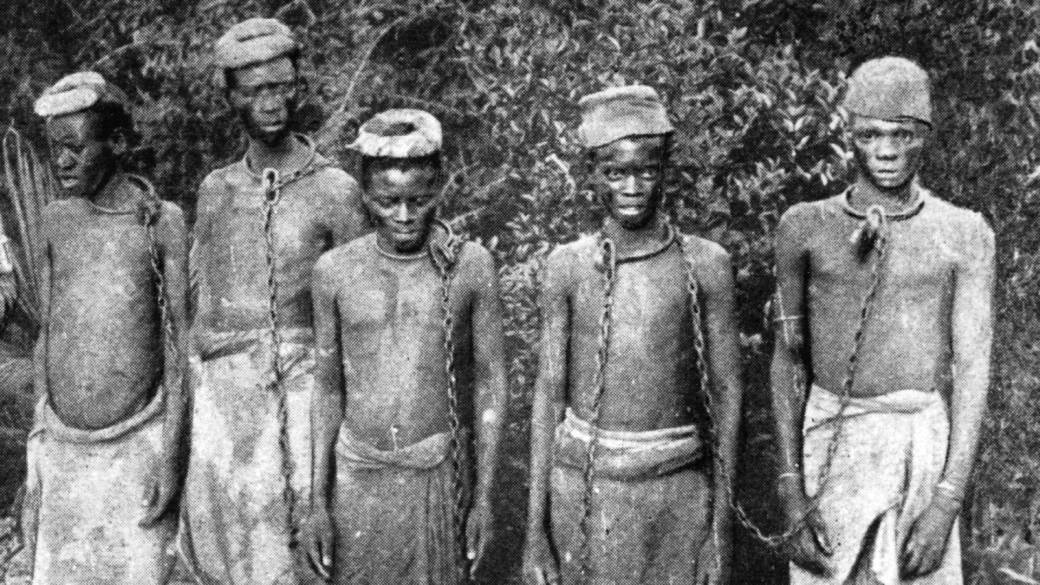
Through intelligent curation of geopolitical strategy, the dialogue pivots toward the mechanics of global negotiation, emphasizing that fragmented African states will forever struggle to command respect in boardrooms in Washington, London, Geneva, or Beijing. The participants issue a powerful call for absolute continental unity, insisting that African nations must leverage the institutional weight of the African Union to speak with a single, unyielding voice. Only by forging a cohesive front can the continent successfully rewrite international trade frameworks, demand fair debt restructuring, and hold historical exploiters accountable on the world stage.
Through a deep structural understanding of statecraft, the leaders deliver an unflinching reminder that external demands for justice must be matched by an equally rigorous commitment to internal accountability. True leadership, they stress, cannot merely rail against historical injustices while permitting modern mismanagement at home. Presidents and prime ministers bear the sacred duty of ensuring that public funds, recovered assets, and future reparative inflows are transparently deployed to uplift ordinary citizens, modernize infrastructure, and create meaningful economic opportunities for Africa’s surging youth population—thereby cutting off the root causes of modern-day brain drain and economic exploitation.

Strategic storytelling frames the diaspora as an indispensable pillar in this grand continental renaissance. The discussion underscores the profound importance of the global African diaspora not only as a financial lifeline through remittances, but as intellectual mentors, cultural ambassadors, and fierce guardians of historical consciousness. By keeping the memory of past and present injustices alive while transferring vital technical resources back to the continent, the diaspora acts as an organic bridge uniting Africa with its global family.
Through transformational framing, this presidential panel transcends standard diplomatic discourse. It stands as an enduring historical chronicle, proving that when visionary political leadership, redefined global reparations, climate and debt equity, uncompromising internal accountability, continental solidarity, and diaspora partnership align, Africa’s quest for justice rises beyond mere grievance—becoming an unstoppable, sovereign march toward permanent global dignity and self-determination.