NIGER DELTA – In the heart of Nigeria’s Niger Delta, a region that serves as the undisputed powerhouse of the nation’s economy, a harrowing disconnect exists between the vast wealth extracted from the earth and the desperate poverty of the people living above it. A recent investigative documentary by Steven Ndukwu has brought this crisis into sharp focus, revealing a landscape where high-tech oil infrastructure stands in stark, almost surreal contrast to communities devoid of the most basic human necessities. While the Niger Delta accounts for approximately 90 percent of Nigeria’s export earnings, the dividends of this geological jackpot have failed to trickle down, leaving millions to navigate a reality defined by systemic neglect, environmental collapse, and a total absence of state-led development.
This "Wealth Paradox" is perhaps the most visible scar on the region. On a daily basis, massive quantities of crude oil are siphoned from the ground, destined for international markets to fuel global economies and fill national coffers. Yet, the very host communities that sit atop these oil wells are trapped in a pre-industrial struggle for survival. Visitors to these areas find a landscape of dilapidated housing and nonexistent public utilities. There is no reliable electricity to power homes, no paved roads to connect villages to markets, and a glaring absence of the fundamental infrastructure that typically accompanies such a lucrative industry. The disparity is not merely a matter of slow progress but appears as a calculated exclusion, where the machinery of extraction is meticulously maintained while the human elements of the region are left to decay.
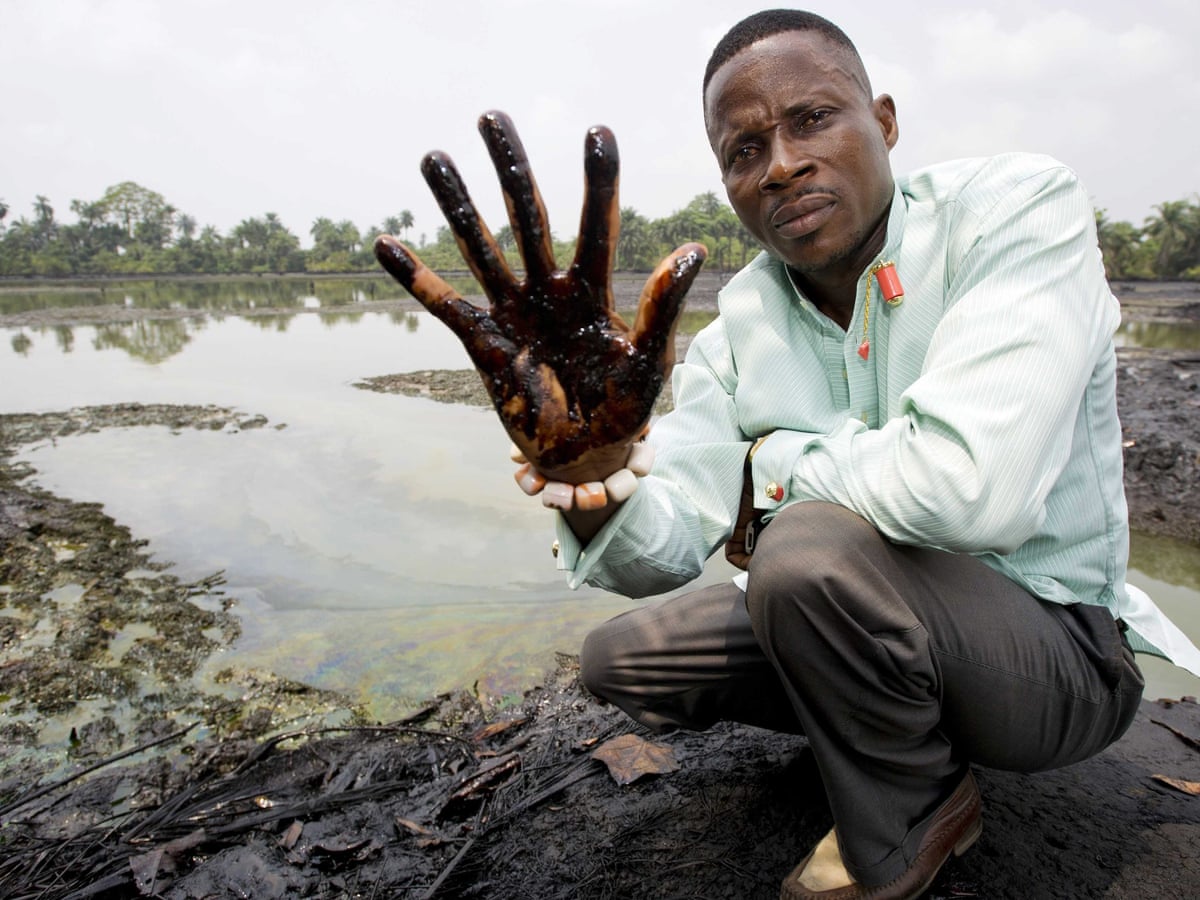
The environmental cost of this extraction has been equally catastrophic, manifesting in decades of ecological devastation that has stripped the local population of their traditional livelihoods. For generations, the people of the Niger Delta relied on the region’s intricate waterways and fertile soil, with fishing and farming serving as the twin pillars of their economy. Today, those pillars have crumbled under the weight of persistent oil spills and the toxic glow of gas flaring. The water sources that once teemed with life are now slick with pollutants, rendering the fishing industry virtually extinct in many areas. Farmlands, once lush and productive, have been poisoned by chemical seepage, leaving families unable to grow enough food to sustain themselves. Adding to this misery is the relentless pace of coastal erosion; as the environmental balance shifts, entire neighbourhoods are being reclaimed by the sea, forcing families to watch as their homes literally collapse into the rising tides.
Related article - Uphorial Shopify

This crisis is exacerbated by what observers describe as a culture of systemic neglect and deep-seated corruption. The documentary highlights a disturbing security double standard: while oil pipelines and offshore platforms are guarded by heavy security details and monitored with advanced surveillance technology, the safety and well-being of the local residents are treated as an afterthought. Administrative failures and a lack of transparency mean that funds ostensibly earmarked for regional development—intended to bridge the gap between extraction and community health—rarely reach their intended destination. Corruption within the layers of governance ensures that the wealth of the Delta is diverted before it can ever be converted into a clinic, a school, or a clean water tap.
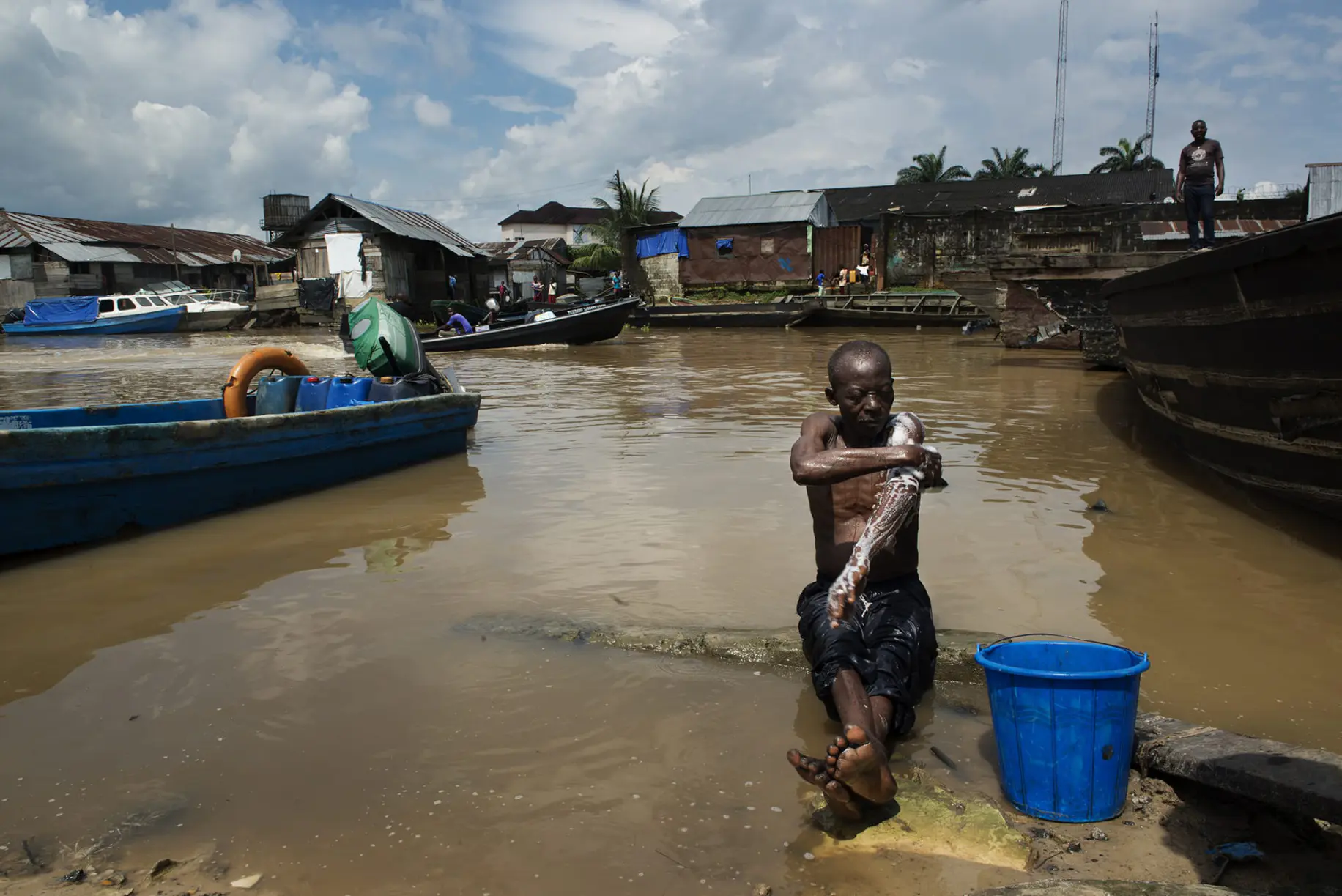
In the vacuum left by the government and the multinational oil corporations, a remarkable sense of community resilience has emerged. Local groups and individuals have refused to wait for a state intervention that may never come. Organizations like the Roli Mabo Foundation have stepped into the breach, becoming the de facto providers of essential services. These local heroes operate mobile clinics to treat residents who would otherwise have no access to healthcare and work tirelessly to provide clean drinking water to villages whose natural sources have been ruined. This grassroots movement represents the only thin line of defense against the total collapse of the community's social fabric, yet these groups operate with a fraction of the resources required to address a crisis of this magnitude.
Ultimately, the situation in the Niger Delta serves as a damning indictment of a system that prioritizes corporate profit and resource security over human life and environmental stewardship. The documentary challenges Nigerian authorities and global stakeholders to move beyond empty rhetoric and implement a more humane, accountable approach to resource management. It suggests that the true measure of the Niger Delta’s wealth should not be the number of barrels produced per day, but the health of its water, the stability of its land, and the prosperity of the people who call it home. Without a radical shift in how this wealth is shared and how the environment is protected, the region remains a ticking clock of humanitarian and ecological disaster.