LOS AGELES – The silent threat of avian collisions has remained a constant challenge for the aviation industry, but a recent survey of veteran pilots has shed light on the sophisticated mental and physical protocols used to manage these high-stakes incidents. As air traffic volumes in 2026 continue to rise alongside recovering migratory bird populations, the reality of "bird strikes" has shifted from a rare occurrence to a standard part of flight safety training. According to the latest data from the National Wildlife Strike Database, while most strikes result in only minor cosmetic damage, the potential for catastrophic engine failure remains a primary concern for crews operating everything from light Cessnas to transcontinental wide-body jets.
For a pilot, the experience of a bird strike is often visceral. Descriptions from the cockpit characterize the impact as a sudden, unmistakable "thump" against the fuselage or windscreen, frequently accompanied by the jarring sight of feathers or debris. While a small songbird may leave little more than a smudge, larger species—most notably Canadian geese—pose a significant structural threat. These "high-mass" encounters can cause millions of dollars in damage, particularly when a bird is ingested into a turbine, leading to immediate power loss or mechanical "surges" that can vibrate through the entire airframe.
In the face of such a sudden emergency, pilots rely on a fundamental hierarchy of response known as the golden rule of aviation: "Aviate, Navigate, Communicate." This protocol mandates that the crew first focuses entirely on maintaining control of the aircraft. Only once the plane is stable and on a safe flight path does the pilot move to navigating toward a landing site and, finally, communicating the situation to air traffic control. This prioritization ensures that the flight crew is not distracted by radio chatter during the most critical seconds of a recovery effort.

Related article - Uphorial Shopify
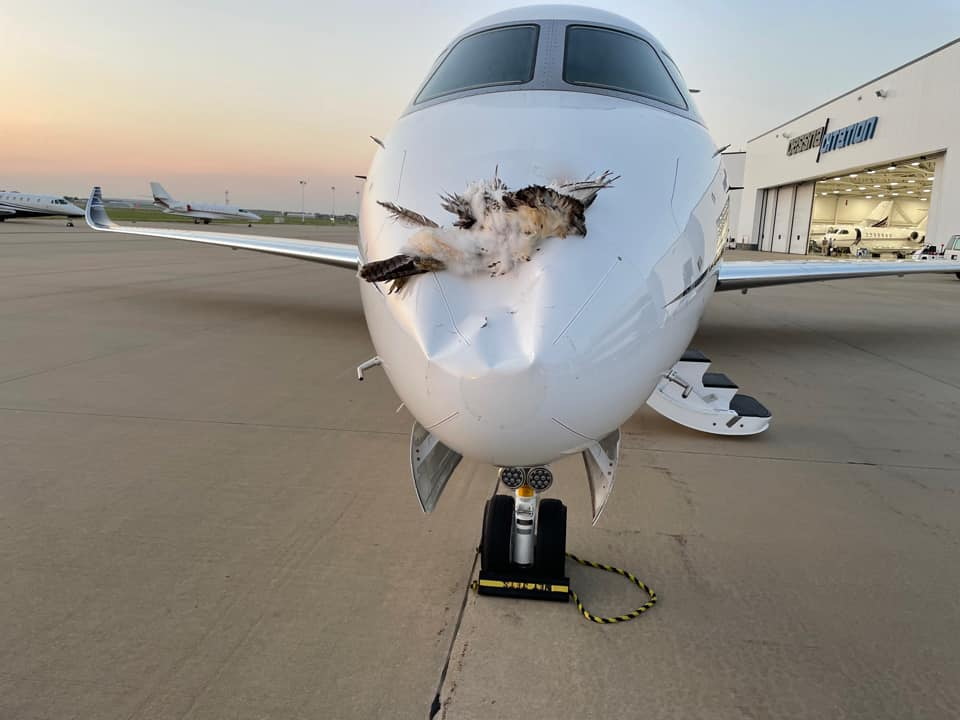
A central theme in modern pilot training is the delicate balance between trusting high-tech instruments and relying on human intuition. While modern cockpits are equipped with redundant sensors that monitor every aspect of engine performance, experienced pilots emphasize the importance of "feeling" the airplane. In some scenarios, instruments may provide conflicting or delayed data following an impact; in these moments, a pilot’s ability to sense unusual vibrations or a subtle change in the aircraft’s handling becomes a primary diagnostic tool. This "stick and rudder" proficiency remains essential, even in an era of advanced automation. Pilots argue that manual flight skills are the final line of defense when automated systems fail or provide erroneous information due to sensor damage.
Beyond the technicalities of flight, the crew’s role as emotional anchors for the passengers is equally vital. Maintaining a calm, professional atmosphere is a primary objective following any mid-air incident. Pilots are trained to deliver concise, composed updates, which serves to reassure the cabin that the situation is being managed by a disciplined team. This composure prevents panic and ensures that if an emergency evacuation is eventually required, the passengers are in a state of mind to follow instructions effectively.
The standard post-strike protocol is rigorous and leaves no room for ambiguity. Once a strike is confirmed or even suspected, the pilot informs air traffic control to alert ground crews of potential debris on the runway. Depending on the severity of the impact and the "feel" of the aircraft, the crew may choose to return to the departure airport or divert to the nearest suitable facility. Upon landing, the aircraft is immediately grounded for a thorough inspection by maintenance teams, who use specialized equipment to check for structural micro-cracks or internal engine damage that might not be visible to the naked eye.
As the aviation industry continues to innovate with bird-deterrent technologies—such as specialized lighting and automated ground-based lasers—the human element remains the most critical factor in flight safety. The insights shared by these pilots reveal a profession defined by a paradoxical blend of high-tech reliance and traditional craftsmanship. While the sky may always be shared with wildlife, the disciplined application of cockpit procedures, manual flight skills, and calm communication ensures that the risks of the "bird strike" remain a manageable part of modern air travel. The goal for 2026 and beyond remains clear: to ensure that every "thump" felt in the cockpit is met with the steady hand of a prepared pilot.