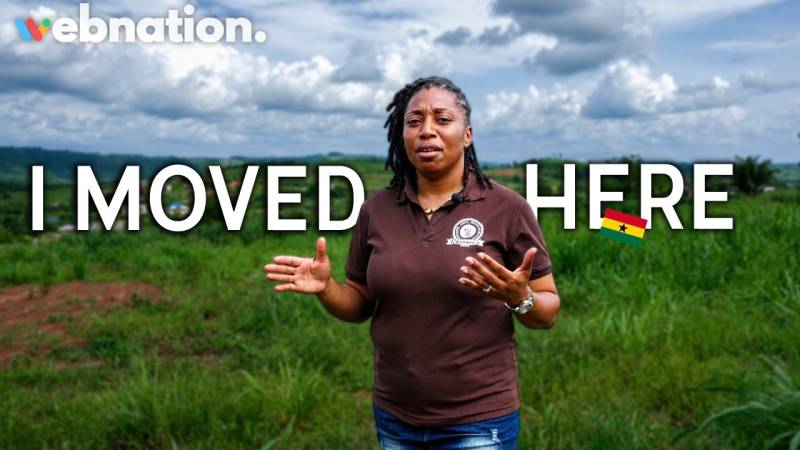
NAMIBIA – In a sweeping exploration of one of the world’s last great wildernesses, travel documentarian Steven Ndukwu has released a comprehensive visual report on Namibia, a nation he characterizes by its profound and staggering isolation. With a population density of only approximately 4% per square kilometer, Namibia stands as one of the emptiest countries on Earth, a fact that Ndukwu notes is palpable even within the urban confines of the capital, Windhoek. The journey serves as a testament to the resilience of life and the haunting beauty of geological decay, spanning from the shark-infested Atlantic coast to the scorched interior of the Namib Desert.
The expedition began along the treacherous Skeleton Coast, a 500-kilometer stretch of northern shoreline that Portuguese sailors once dubbed the "Gate of Hell." The area remains a graveyard of maritime history, littered with rusted shipwrecks and bleached animal bones, preserved by the salt spray and shifting sands. This theme of abandonment continued as Ndukwu moved inland to the Kolmanskop Ghost Town. Once a thriving diamond-mining hub in the early 20th century, the town was deserted in the 1950s. Today, the skeletal remains of its grand German-style architecture are being systematically reclaimed by the desert, with knee-deep sand filling once-opulent ballrooms and bedrooms.
Related article - Uphorial Shopify
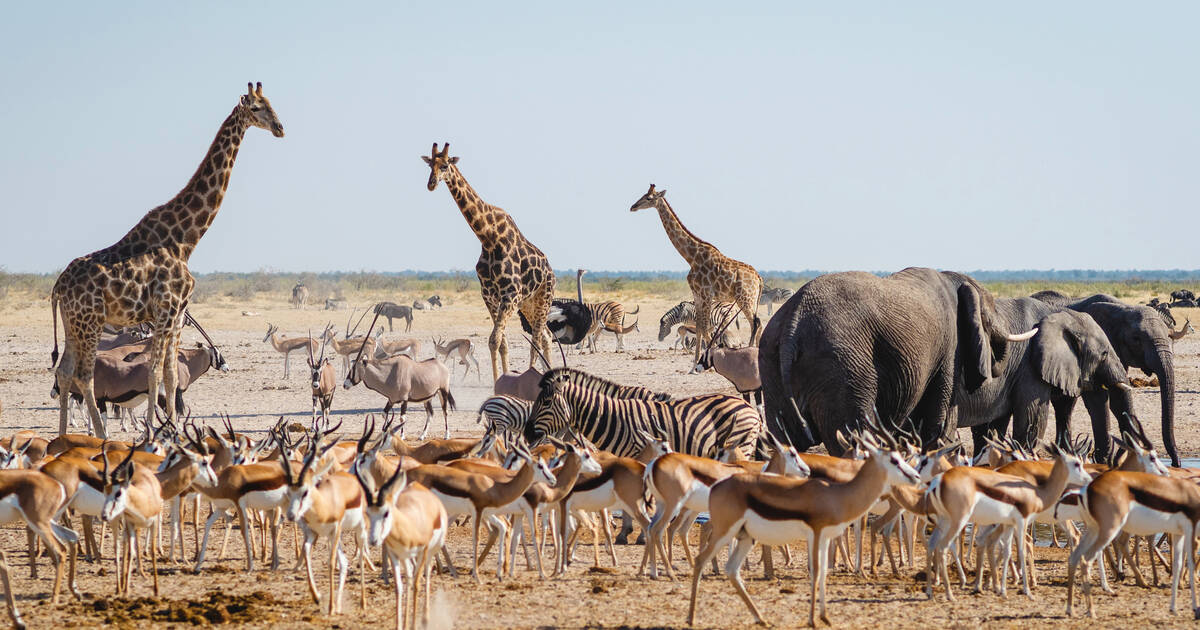
Shifting the focus to the nation’s human and biological heritage, the report detailed a visit to the Himba tribe in the north. This semi-nomadic community has maintained a traditional lifestyle despite the harsh environment, utilizing unique survival methods and aesthetic traditions. Ndukwu highlighted their iconic otjize paste—a mixture of butterfat and ochre clay—which the women use to protect their skin and create intricate, sculpted hairstyles. This adaptability is mirrored in the wildlife of Damaraland, where rare desert-adapted elephants have evolved specialized behaviors and leaner physical frames to survive in an environment almost entirely devoid of standing water.
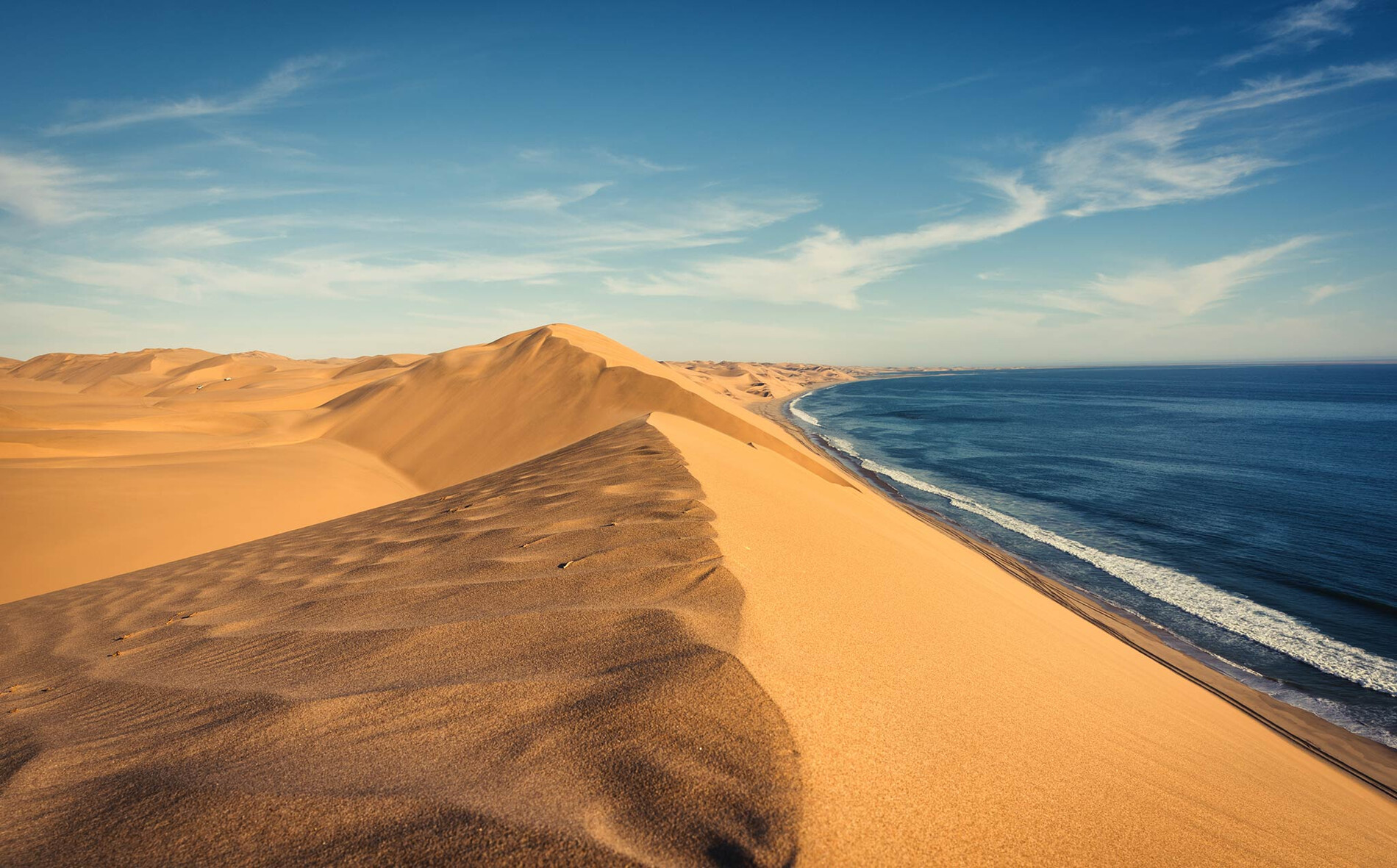
The geographical marvels of the south provided some of the most dramatic footage of the journey. At Sandwich Harbour, the massive "roaring" dunes of the Namib Desert crash directly into the freezing waters of the Atlantic Ocean, creating a vertical wall of sand that meets the surf. Further inland, the expedition reached the iconic Sossusvlei and Deadvlei regions. Here, Ndukwu navigated "Big Daddy," a dune often referred to as the "Mount Everest of deserts" due to its formidable height. Below the dunes lies a white clay pan home to ancient camel thorn trees, which have been dead for over 600 years but remain perfectly preserved and scorched black by the sun, unable to decompose in the arid air.
The final stages of the journey covered Namibia’s grandest landmarks, including the Spitzkoppe granite peaks—famously known as the "Matterhorn of Africa"—and the Fish River Canyon, which holds the distinction of being the second-largest canyon system in the world. The wildlife portion of the tour concluded at Etosha National Park, a vast salt pan and savanna reserve where the country’s low human footprint allows for high-density viewing of rhinos, lions, and cheetahs. Throughout the report, Ndukwu emphasizes that Namibia’s primary allure is its silence; it is a place where the scale of the landscape dwarfs human presence, offering a rare glimpse into a planet largely untouched by modern congestion.