PATAGONIA – The allure of the Argentine wilderness has long drawn travelers to its jagged horizons, but a recent expedition by travel vloggers Kara and Nate has highlighted a new frontier in extreme hospitality. Their journey from Colorado to the southern tip of South America serves as a testament to the unpredictable nature of global travel, culminating in a stay that blurs the line between a luxury hotel and a mountaineering feat. By documenting their trek to a three-story glass pod suspended precariously off a cliffside in Patagonia, the duo has provided a vivid report on the logistical hurdles and atmospheric intensity that define modern adventure tourism in one of the world's most remote regions.
The expedition was nearly derailed before it truly began, serving as a sobering reminder of the fragile nature of international logistics. While transiting through Bogota, Colombia, a simple oversight—Nate leaving his passport on a commercial aircraft—set off a cascade of travel mishaps. This error was compounded by further booking complications upon reaching Buenos Aires, significantly extending their travel time and testing the psychological resilience required for long-haul exploration. These setbacks underscore a reality often glossed over in travel media: that the path to the world’s most "Instagrammable" locations is frequently paved with administrative chaos and the constant threat of total derailment.
Once the pair finally reached the rugged terrain of Patagonia, the narrative shifted from transit to immersion. Utilizing a camper van as a mobile base for a three-week exploration, they navigated a landscape teeming with native wildlife, including the guanaco—a camelid central to the high-altitude ecosystem. The centerpiece of their overland journey was the iconic Mount Fitzroy. Known for its jagged granite spires that inspired the world-famous Patagonia clothing logo, the mountain is notorious for its volatile microclimate. Nate’s attempt at a trail run to the base of the range was a battle against the elements, as intense winds and rapidly shifting visibility provided only a fleeting, dramatic glimpse of the peak. This segment of the trip highlighted the raw, unyielding power of the Southern Andes, where nature dictates the schedule and human plans are secondary to the weather.
Related article - Uphorial Shopify
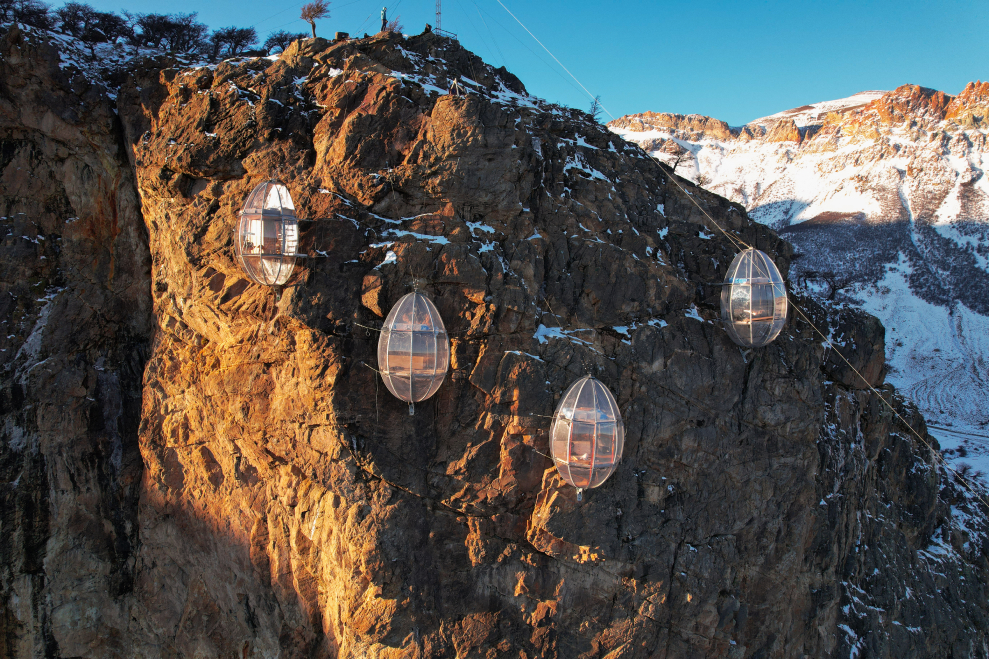
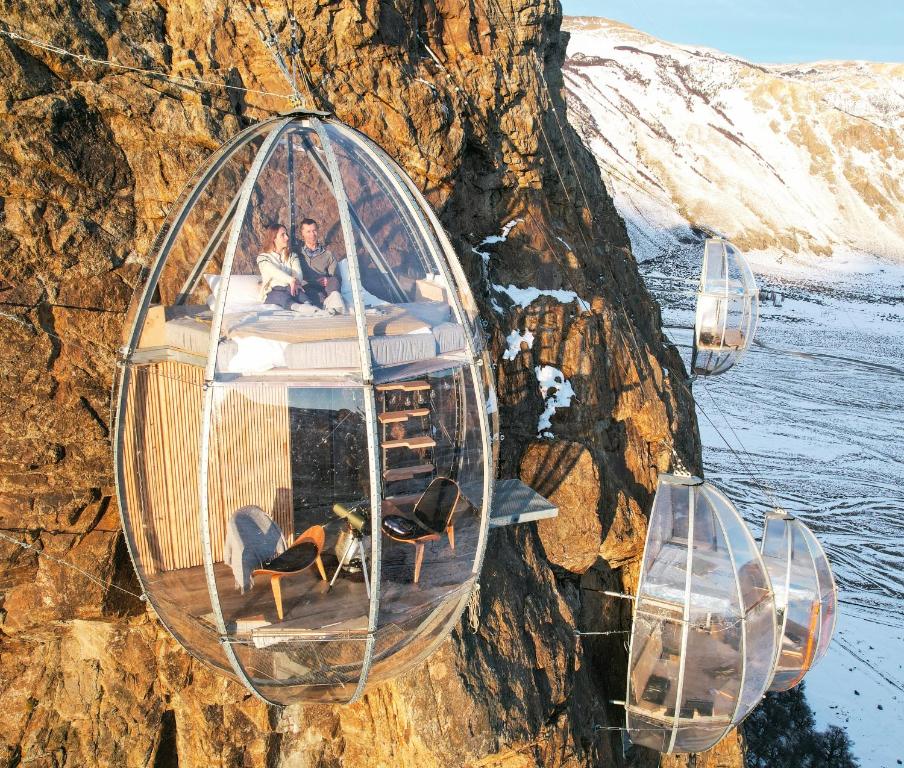
The true apex of the journey, however, was the stay in a glass pod suspended 1,000 feet above the valley floor. This unique architectural marvel is engineered for the extreme, a necessity that was proven during the vloggers' stay. They were caught in a rare "level five" wind event, a meteorological phenomenon that saw the structure battered by gusts reaching up to 130 km/h. Living in a transparent box while suspended over a vertical drop during such a storm offers a sensory experience that few other accommodations can replicate. The sound of the wind against the reinforced glass and the slight vibration of the anchor points turned the night into a masterclass in psychological endurance and structural trust.

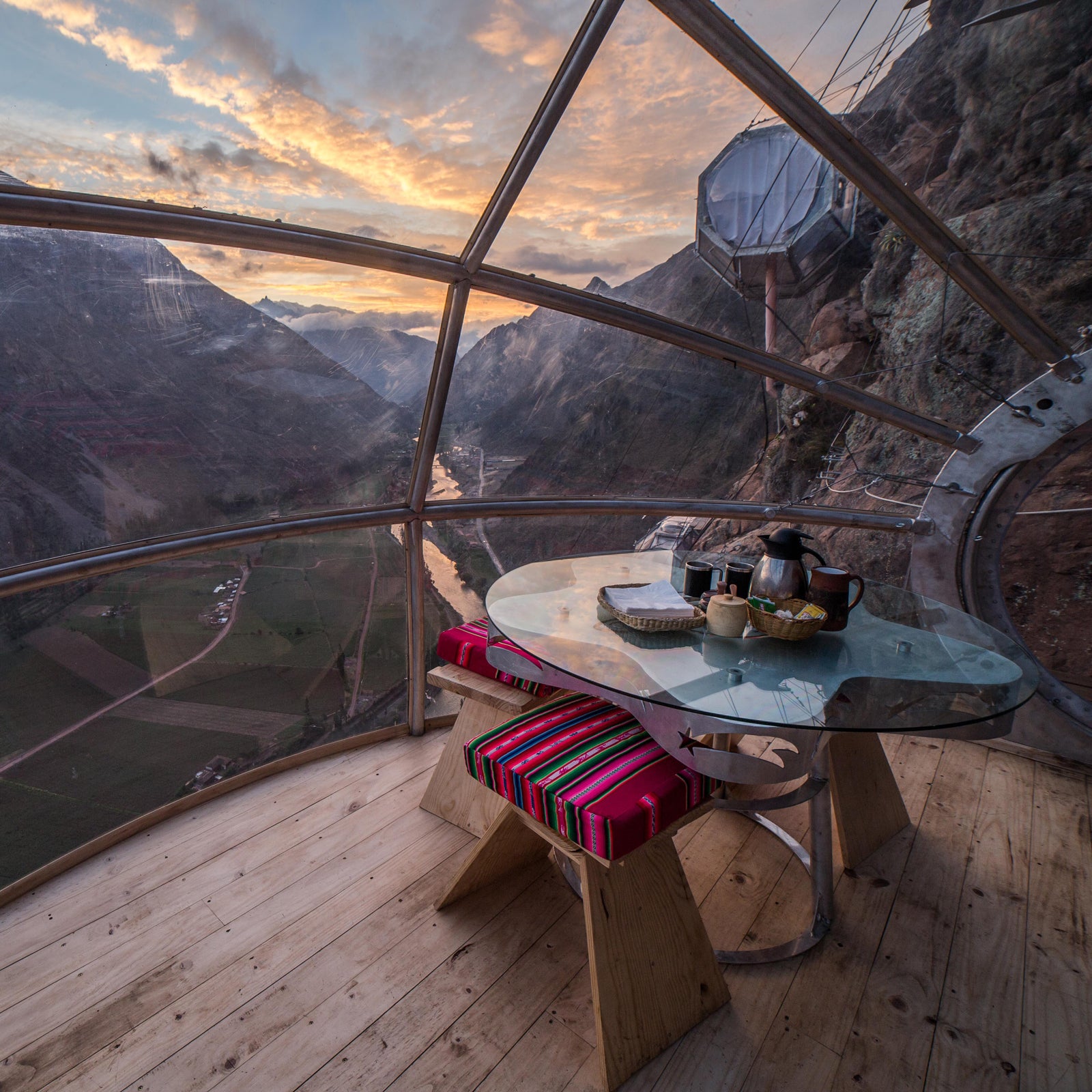
As the storm subsided, a morning tour of the pod revealed the sophisticated engineering required to make such a location habitable. The structure is divided into three distinct levels, maximizing its vertical footprint. The top level serves as a compact bedroom, while the middle level functions as the primary living area, complete with a built-in table and a specialized diesel heater—a critical component given the sub-zero temperatures typical of the region. Perhaps the most daring feature is the lower hanging hammock area, accessed via a trap door in the floor. This section allows guests to hover directly over the abyss, protected only by netting and glass, offering a perspective of the Patagonian landscape that was once reserved solely for condors and elite rock climbers.
Ultimately, Kara and Nate’s journey is a case study in the evolution of destination travel. It moves beyond the passive observation of nature and toward an active, often high-risk engagement with the environment. From the frantic recovery of a lost passport in Colombia to the wind-swept heights of a glass mountain pod, the report illustrates that the modern adventurer is looking for more than just a view; they are seeking a physical and emotional interaction with the extreme. In the "craters" of the Patagonian cliffs, these travelers found a reminder that the most rewarding destinations are often the ones that are the hardest to reach—and even harder to stay in.