SOMALILAND — The narrative of the modern diaspora is often a complex negotiation between the perceptions of the West and the lived reality of ancestral homelands. For Londoners Abubakar Finiin, Zak Hajjaj, and Kayum Miah—a trio collectively known as the "Kids of the Colony"—this negotiation became a physical journey of discovery documented by the BBC Travel Show. Driven by a mission to dismantle the pervasive negative media stereotypes that often shadow East Africa, the group embarked on an expedition to the breakaway territory of Somaliland. Their journey was not merely a vacation but a structured effort to reconnect with their heritage and present a counter-narrative to a global audience that rarely sees the beauty, safety, and resilience of this self-declared independent state.
The group’s arrival in the capital city, Hargeisa, served as an immediate challenge to their preconceived notions. Staying in a residential house in the aptly named 'Half London' district, the trio found themselves immersed in a vibrant urban environment that felt unexpectedly familiar yet strikingly distinct. One of the most significant revelations for the group was the palpable sense of security within the capital. Despite coming from a major global metropolis like London, they were surprised by how safe Hargeisa felt—an observation that stands in direct opposition to the "danger zone" tropes often associated with the region in international news cycles. This initial cultural immersion provided the foundation for a deeper exploration of the daily labor and social structures that sustain the nation.

To truly understand the heartbeat of Somaliland, the Kids of the Colony moved beyond the role of tourists and took on a series of local jobs. Their first stint was at a traditional "Shah" shop, a communal hub where tea is served and the nation’s political landscape is debated with fervor. By working behind the counter, the group witnessed firsthand the importance of these gathering spots as the vital connective tissue of the community, where men from all walks of life meet to discuss local and global affairs. This experience highlighted the intellectual and social richness of a society that is often depicted as purely impoverished.
Related article - Uphorial Shopify

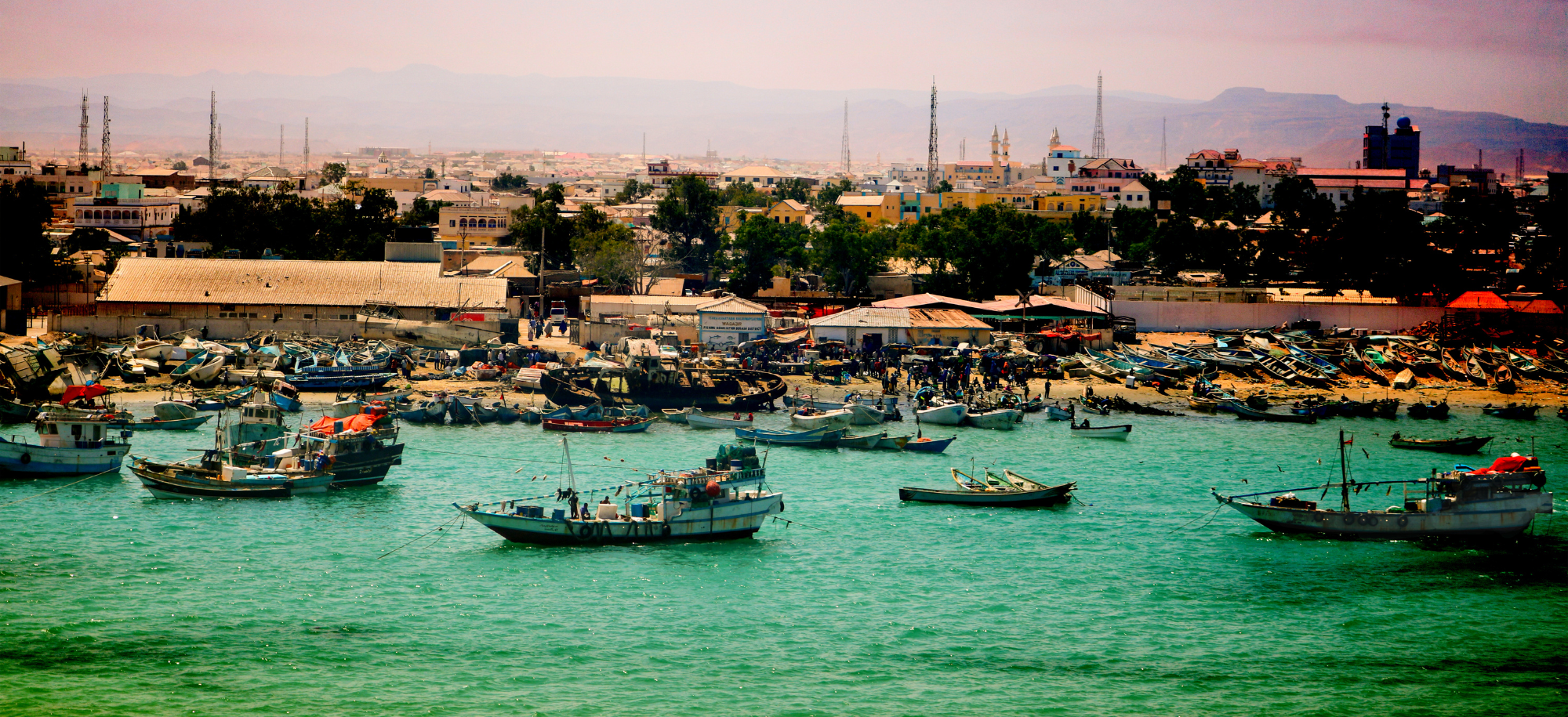
The physical reality of living in an arid environment was further driven home as the group assisted in the vital process of water delivery. In a city where access to water requires manual labor and logistical precision, helping to transport this essential resource provided the trio with a profound appreciation for the infrastructure challenges and the communal effort required for daily survival in Hargeisa. The journey then shifted toward the coast, specifically to the historic city of Berbera. Here, the boys engaged in the grueling but rewarding task of unloading the day’s catch from fishing boats, connecting them to the maritime economy that has sustained the Horn of Africa for centuries.
Beyond the labor of the present, the trip offered a window into a vast prehistoric past. The trio traveled to the ancient rock art site of Laas Gaal, where incredibly preserved paintings date back to approximately 2,500 BC. Standing before these millennia-old depictions of wild animals and pastoral life, the group was reminded that their heritage is rooted in a civilization that predates modern colonial borders by thousands of years. This historical perspective was balanced by moments of leisure at Berbera’s unique black sand beaches, where the group could reflect on the aesthetic beauty of a landscape that remains largely untouched by international mass tourism.
As the journey concluded, the overarching takeaway for the Kids of the Colony was one of transformation and pride. The trip allowed them to witness the immense progress Somaliland has achieved since the devastation of war, evolving into a stable and functioning society despite a lack of formal international recognition. By sharing their experiences, Abubakar, Zak, and Kayum successfully bridged the gap between their lives in London and their ancestral roots. They returned to the UK with a deeper appreciation for their identity and a powerful body of evidence showing that Somaliland is a place defined not by its past conflicts, but by its safety, its culture, and its enduring hospitality.