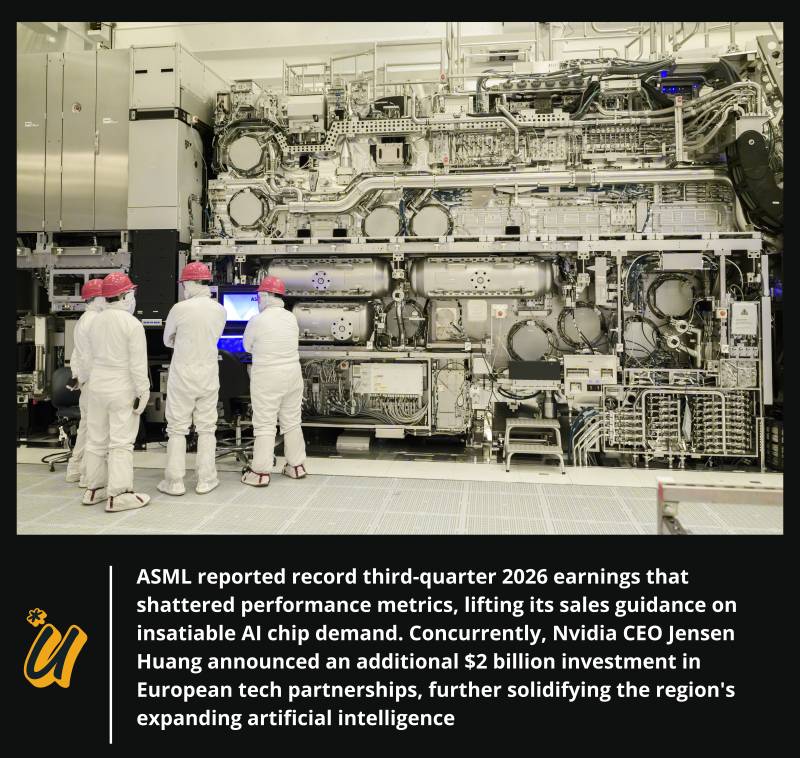
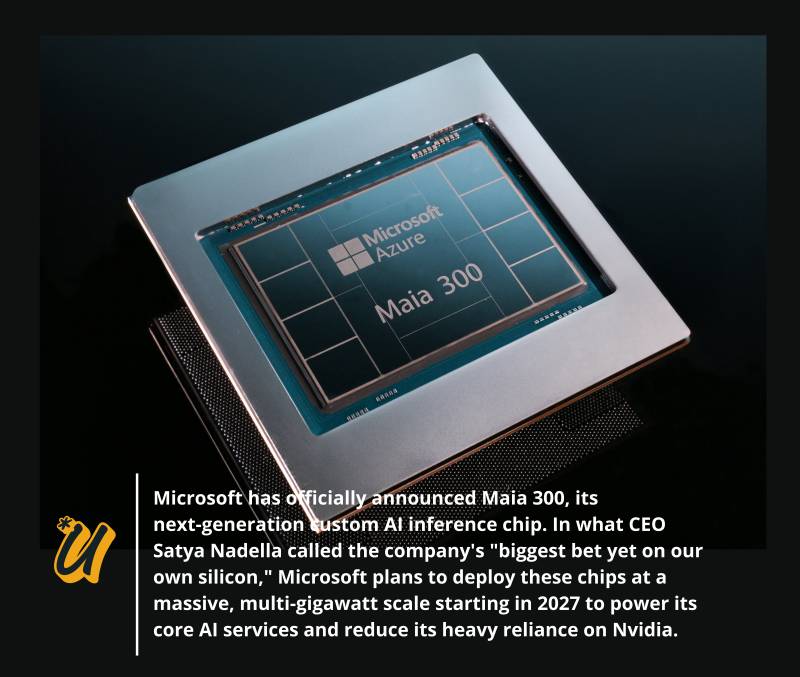
Financial markets and technology corridors are confronting a stark realignment this week as a historic sell-off in semiconductor equities collides with tightening capital conditions across the artificial intelligence ecosystem. The Philadelphia Semiconductor Index recorded its eighth consecutive session of losses, marking the benchmark’s longest downward streak since the height of the 2008 global financial crisis. Over the eight-day slide, approximately $2 trillion in market capitalization has been erased across top hardware, equipment, and chipmaking firms.
The prolonged downturn reflects deepening skepticism among institutional investors regarding the broader "AI trade." Wall Street analysts have increasingly pointed to the elevated debt burdens accumulated by technology firms to finance massive capital expenditures on AI infrastructure. With interest rate expectations remaining persistent and capital costs rising, institutional focus has shifted sharply toward the highly uncertain timelines for return on investment. Concerns over whether revenues generated by consumer and enterprise AI tools can justify hundreds of billions in compute spending continue to weigh heavily on valuation multiples across the sector.
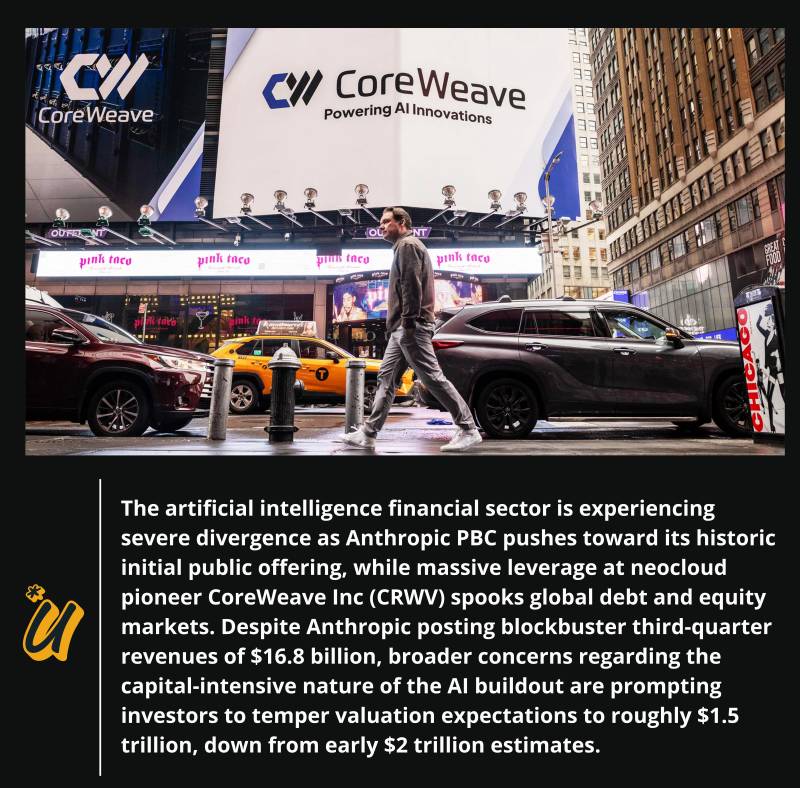
Nowhere is the stress of high-cost infrastructure scaling clearer than within the emerging market for specialized cloud infrastructure providers, known as "NeoClouds". Infrastructure specialists like NScale and CoreWeave are facing significant headwinds as they scramble to scale data center capacity. These firms, which rely on specialized, GPU-heavy hardware configurations to support complex artificial intelligence workloads, are contending with construction delays, complex grid interconnect timelines, and reliance on high-yield debt financing. In a persistent high-interest-rate environment, the pressure on NeoCloud business models is mounting as management teams struggle to demonstrate clear pathways to long-term profitability under heavy capital obligations.
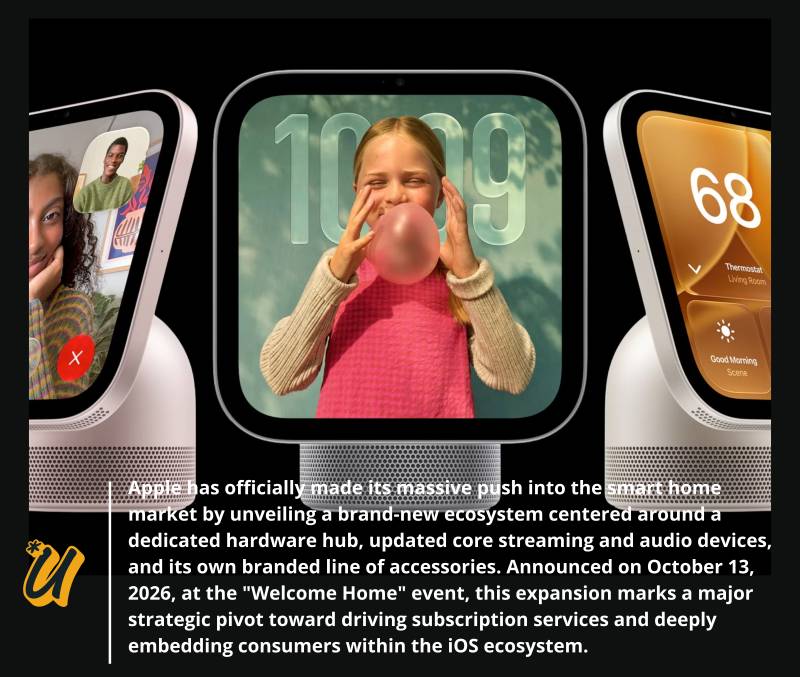
Despite general economic turbulence, consumer appetite for premium, specialized hardware appears to remain intact at the top of the mobile device market. Pre-orders opened for Apple’s new foldable smartphone, marking the company’s official entry into the high-end flexible display category. Early demand from early adopters pushed delivery estimates out into January within hours of launch. While supply chain constraints and manufacturing complexities are contributing to shipping delays, analysts note that initial order volume is strong enough to drive a noticeable increase in Apple’s overall iPhone Average Selling Price (ASP) through the upcoming holiday quarter.
At the same time, executive leadership shifts highlight changing priorities among legacy entertainment giants trying to regain operational footing. Netflix announced the appointment of former Disney and Fox senior executive Peter Rice as its new Chief Content Officer. The unexpected high-level management change comes as the streaming platform seeks to reverse a recent slowdown in viewer engagement and hit programming. Rice takes the creative helm with instructions to revitalize original production, streamline slate management, and restore top-line content momentum in an increasingly saturated streaming ecosystem.
The global market turmoil has similarly frozen primary equity markets, keeping the window for initial public offerings largely closed to tech firms. Capital market activity remains severely muted, with institutional investors showing little appetite for unprofitable growth ventures. AI safety and research startup Anthropic stands as one of the few high-profile exceptions expected to attempt a public market listing in the coming weeks, providing a critical test case for public investor appetite toward pure-play artificial intelligence businesses.
The influence of advanced technology is extending equally into the political domain ahead of the 2026 U.S. midterm elections. Artificial intelligence has emerged as a central operational factor on the campaign trail, driven by record-setting political spending from industry-aligned Political Action Committees (PACs) targeting key legislative races. Concurrently, security agencies report heightened foreign influence operations, highlighting foreign state-backed bot networks orchestrating foreign disinformation campaigns using synthetic, AI-generated video content directed at Democratic candidates.
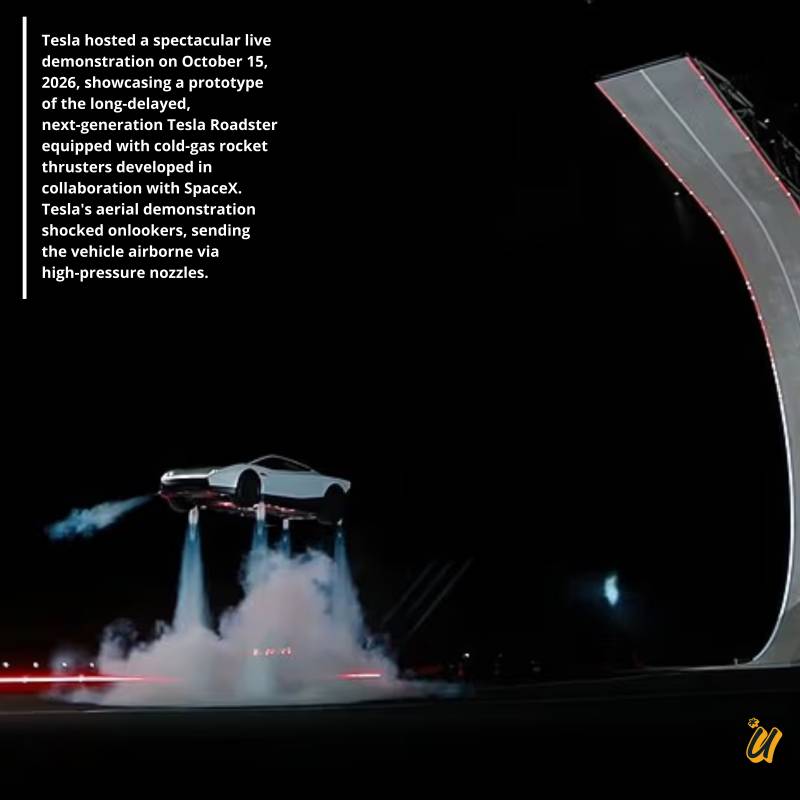
In public forums and showgrounds, technological showmanship continues to draw public attention even as commercial timelines stretch into the distance. Tesla showcased a working prototype of its long-delayed Roadster sports car, demonstrating experimental cold-air thruster tech designed to perform brief aerial maneuvers. Industry observers, however, viewed the demonstration as primarily promotional. Production of the vehicle is not anticipated until 2028 at the earliest, fueling ongoing market speculation regarding a broader strategic alignment or potential future merger between Tesla and SpaceX.
Behind the immediate market shifts, long-term talent acquisition models across the technology landscape are undergoing a structural transformation. Academic institutions and corporate recruiters note that while top universities remain essential hubs for specialized talent, higher education is adapting rapidly to the AI era. Student-led organizations, university incubators, and founder networks are increasingly emerging on campus, allowing young engineers to build, fund, and deploy software applications while bypassing traditional corporate career ladders.