The journey of Steven Ndukwu to Los Angeles shattered the idealized image he held growing up in Africa, where California was perceived as "the land where everybody made it". What Ndukwu discovered was a metropolis built on "dreams, money, fame, and luxury" but simultaneously defined by a severe crisis of homelessness and poverty. Ndukwu noted that the gap between the rich and the poor appears "wider here than almost anywhere else in the world," revealing "third world style poverty in our first world country".
Ndukwu’s first jarring encounter with this reality came despite his expensive accommodations, having paid $250 a night for a "very small accommodation". Instead of a nice view, the windows were "filled with just homeless people outside". This led Ndukwu to question what was happening, seeing people "walking like zombies" and a "lot of unhoused people" in a city known for famous status locations like Hollywood, Beverly Hills, and Bel Air.
Seeking to understand this dichotomy, Ndukwu ventured into Downtown LA, expecting to find the city's central hub filled with skyscrapers and beautiful skylines. Instead, Downtown Los Angeles houses the largest homeless population in the city. This area, known as Skid Row, is a 50-block stretch and home to one of the largest regular populations of homeless people in the United States, often referred to as "Tent City," where at least 10,000 individuals rely on tents for survival.
The conditions in Skid Row are driven by drug addiction and mental health issues. Ndukwu observed the silent signature of fentanyl overdose on the streets: a "body folded forward... heads hanging, limbs up". Fentanyl, a synthetic opioid 50 to 100 times stronger than heroin, is used as a coping mechanism "to stay away from the harsh reality of being homeless". Residents admitted to Ndukwu to smoking crystal, fentanyl, and crack. One long-time resident told Ndukwu there is "no security" in Skid Row, and individuals must keep themselves safe, often needing a knife or a gun.

Related article - Uphorial Shopify
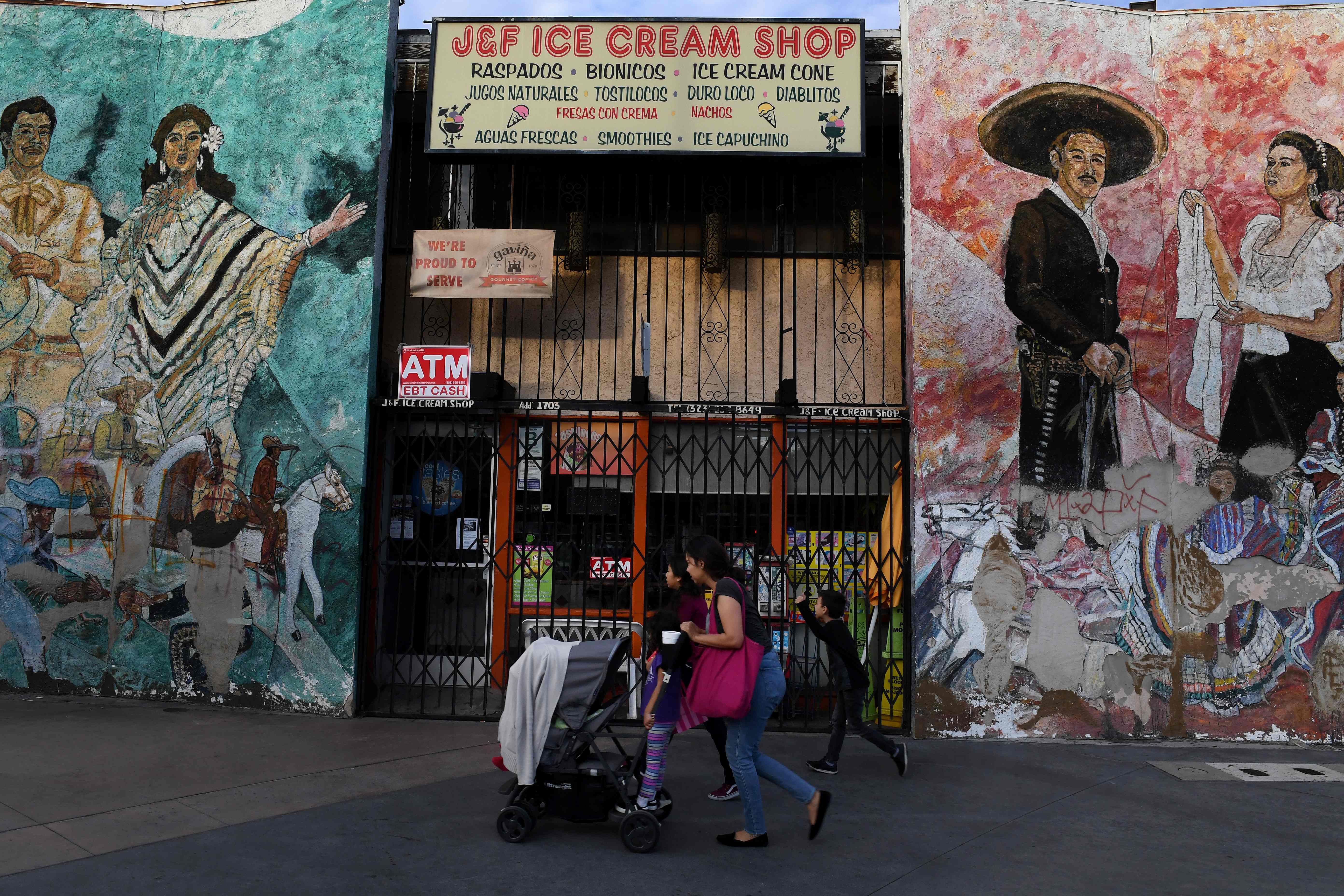
Ndukwu learned that Skid Row is a deliberate "containment zone". Los Angeles officials intentionally consolidated all housing services, shelters, food, and rehab centers into this one neighborhood starting in the 1970s, pushing poverty away from the rest of the city. People come from all over the world, including Rhode Island, Virginia, and South America, to be homeless here because "where the resources are". A long-time resident told Ndukwu that the government has a hold on people's assistance money, forcing them to sell narcotics or take drugs. Ndukwu also highlighted the fact that some of the homeless populations are educated people, with 25% having bachelor's degrees and 4% holding doctorates, who came to California trying to become stars and ended up on Skid Row.
The visual contrast is extreme. Just a 20-minute drive west of Skid Row, Ndukwu arrived in Beverly Hills, "one of the wealthiest zip codes in America and in the world", where the average home value is around $5.36 million. He visited Rodeo Drive, a haven for extreme luxury lined with stores like Hermes, Louis Vuitton, and Gucci. The experience in Beverly Hills was one of inspiration for Ndukwu, who noted that looking at Bentleys, G-Wagons, and mansions makes one's mind "optimized for success". However, while walking through Rodeo Drive, Ndukwu confessed he "forgot for a second that a 20 minutes' drive away people don't have proper shelters to live in".
A significant contributor to the crisis is the high cost of living. Ndukwu noted that gas prices and transport costs in California are the highest in the US, and many people simply "can't afford to live in a house," forcing them into tents. To live a "very comfortable life" in LA, one would need to make about $85,000 net annually.
During his exploration, Ndukwu also tested a Waymo self-driving car. He described the experience as futuristic but raised serious questions about the "ripple effect" of driverless technology. Ndukwu worried about what would happen to drivers globally whose livelihood depends on the job, particularly on the continent of Africa, where there is already a "high level of unemployment".
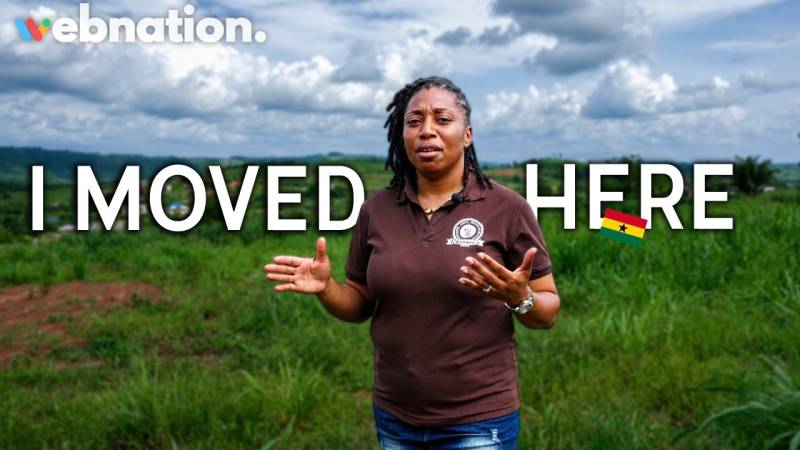
Steven Ndukwu concludes that the solution for the government lies in utilizing the many empty buildings downtown to house the needy, a sentiment echoed by one resident who told Ndukwu it would "only take one of them building to put these people in". Ndukwu’s exploration continues in the next episode with an interview with a successful Black plastic surgeon who relocated from Ghana to California. Ndukwu’s overall perspective highlights Los Angeles as a place of unimaginable wealth and potential for immigrants to "chase opportunities and excel," but one that is fundamentally fractured by visible poverty.