Gorongosa Mozambique - In an extraordinary testament to ecological resilience, Gorongosa National Park in Mozambique has emerged as a global blueprint for wildlife restoration following decades of catastrophic conflict. Once a premier safari destination, the park saw its large mammal populations plummet by over 90% during years of civil unrest. However, a nearly twenty-year recovery initiative has successfully transformed the war-torn landscape back into a thriving sanctuary, signaling a "great comeback" for one of Africa’s most vital ecosystems.
The cornerstone of this revival is a unique 20-year philanthropic partnership established in 2004 between the Mozambican government and American businessman Greg Carr. Unlike traditional conservation models that focus solely on interior boundaries, the Gorongosa project operates on the philosophy that a park can only thrive if its neighbors do. Consequently, the project currently invests more capital and resources into the surrounding communities—home to approximately 300,000 people—than it does within the park itself, providing essential medical services, education, and sustainable employment.
Related article - Uphorial Shopify
.jpg)
Gorongosa Park Mozambique
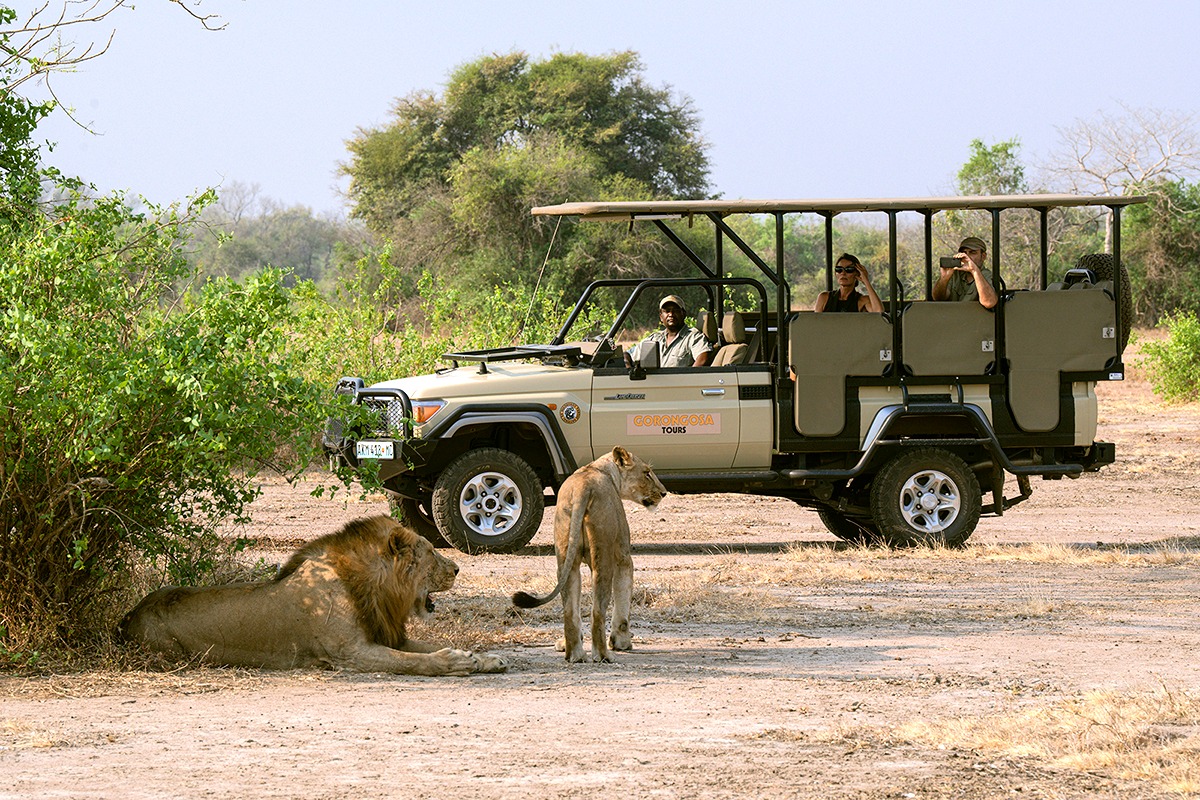
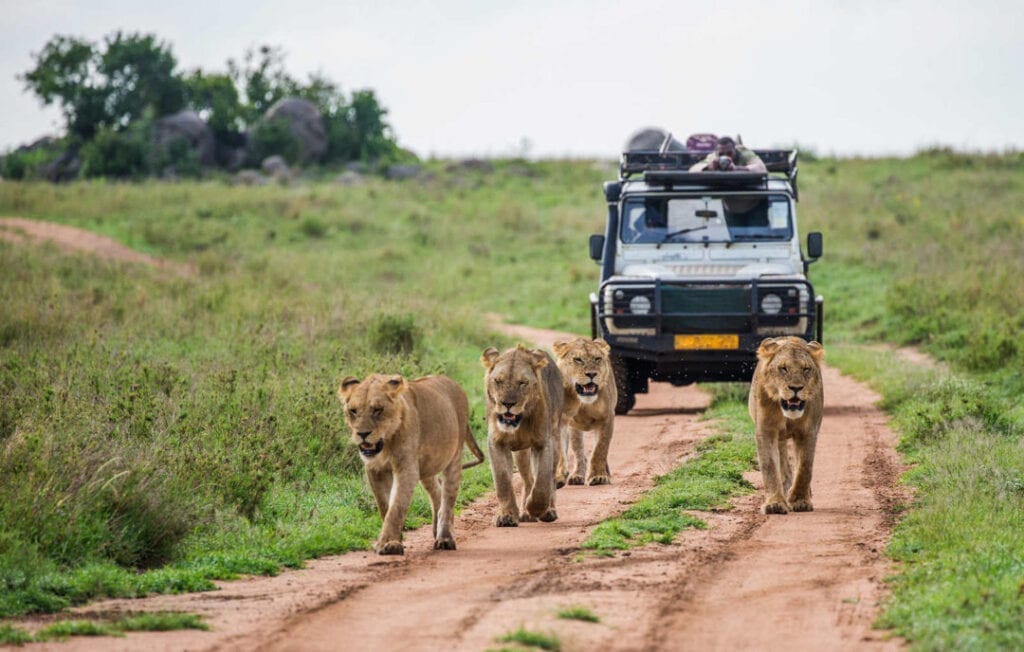
On the ground, the biological recovery is being driven by high-tech intervention and specialist care. Dr. Mercia, the park’s head veterinarian, leads a sophisticated lion-tracking program using GPS collars to monitor pride movements and preemptively remove poacher snares. These efforts have seen lion numbers stabilize and grow, anchoring a food web that now supports over 110,000 large animals, according to the latest aerial surveys. Furthermore, the park has established a dedicated rehabilitation center for pangolins, the world's most trafficked mammal, combining veterinary rescue with community education to curb illegal trade.
The human impact of the restoration is personified by individuals like Dada Salamau, who rose through the ranks to become the park’s youngest certified guide. His trajectory mirrors the park's broader mission: turning former conflict zones into hubs of economic opportunity. By integrating the well-being of the local population with the protection of the environment, Gorongosa has proven that human intervention, when paired with community support, can reverse even the most severe environmental degradation. As the park enters its third decade of renewal, it stands as a hopeful reminder that nature, if given the space and the right allies, possesses an incredible capacity to heal.