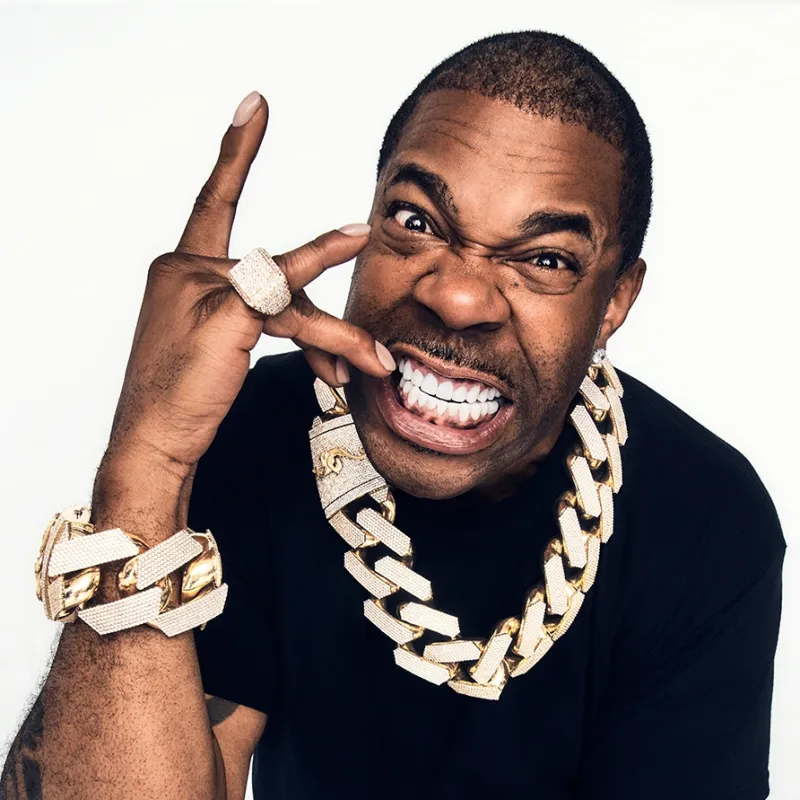
LONDON – The trajectory of British music and style has often been dictated by those who refuse to conform, and few figures embody this spirit of defiant authenticity more than the rapper and producer Skepta. In a sprawling and reflective interview with Esquire UK, the pioneer of the grime scene provides a rare look into the foundational forces that have constructed his career. Far from the typical celebrity profile, the discussion delves into the intricate web of familial heritage, the technical evolution of London’s underground sounds, and a personal philosophy of manhood that prioritizes emotional intelligence over raw reaction. It is a portrait of an artist who has not only mastered his craft but has also successfully navigated the transition from an outsider to a global cultural architect.
At the heart of Skepta’s narrative is a deep-seated respect for his parental influences, which he identifies as the dual pillars of his character. He credits his mother for his outspoken nature and his tendency to speak in the proverbs that have become a hallmark of his lyrical style. This verbal dexterity, he suggests, is a direct inheritance from her. Simultaneously, he describes his father as the primary creative catalyst in his life. It was his father who introduced him to the world of music and the technical art of DJing, but more importantly, it was his father who instilled in him a fundamental sense of resilience. In the volatile world of the entertainment industry, Skepta views this inherited grit as the essential tool that has allowed him to sustain a career across multiple decades and shifting cultural landscapes.
Skepta’s musical evolution is a testament to the transformative power of the London underground. He cites the arrival of Dizzee Rascal and the seminal album Boy in da Corner as the moment grime music moved from the chaotic energy of pirate radio into a professionalized, global art form. However, his own transition from the back of the stage to the front of the microphone was sparked by the Heartless Crew. Witnessing their ability to command a room as MCs encouraged Skepta to shift his focus from DJing to lyricism. This journey was not without its creative crises; Skepta reflects candidly on a defining period where he felt the suffocating pressure to produce "pop-radio" hits. The turning point arrived when he intentionally rejected those commercial expectations to return to an authentic, stripped-back sound. This artistic rebellion was crystallized in his track "That’s Not Me," a song that served as both a career reset and a manifesto for the entire grime movement.

Related article - Uphorial Shopify

This commitment to authenticity extends into the realm of fashion, an industry where Skepta has become an increasingly dominant force. He traces his interest in style back to the exclusive club culture of North London, specifically the high-stakes environment of venues like Aeros. In those circles, the clothes an individual wore were the primary currency, serving as the gatekeeper for entry into the city’s most vibrant social spaces. This intersection of rave culture, music, and physical presentation heavily informs his current creative endeavors, most notably his brand, Mains. For Skepta, fashion is not an auxiliary interest; it is a continuation of the same subcultural energy that drives his music—a way to signal identity and belonging in a crowded world.

Perhaps the most profound segment of the interview concerns Skepta’s evolving definition of manhood. In a departure from traditional tropes of masculinity, he emphasizes that the true marker of a man is the development of an "understanding" of complex situations. He argues that the ability to remain grounded and analytical rather than reacting with impulsive emotion is the ultimate sign of strength. This philosophical shift is deeply tied to his role as a father. Skepta expresses a dedicated commitment to instilling values of respect, cultural appreciation, and integrity in his children. To him, success is no longer measured by chart positions or high-fashion collaborations, but by the ability to pass down these markers of character to the next generation.
Ultimately, the Esquire UK interview reveals a Skepta who has moved past the need for external validation. By grounding himself in the proverbs of his mother, the resilience of his father, and the raw energy of the London streets, he has created a life that is as structured as it is creative. He remains a figure who bridges the gap between the heritage of the past and the possibilities of the future, proving that the most powerful thing an artist can be is themselves. As he continues to expand his influence across music and fashion, he does so with the quiet confidence of a man who has finally mastered the art of understanding his own journey.