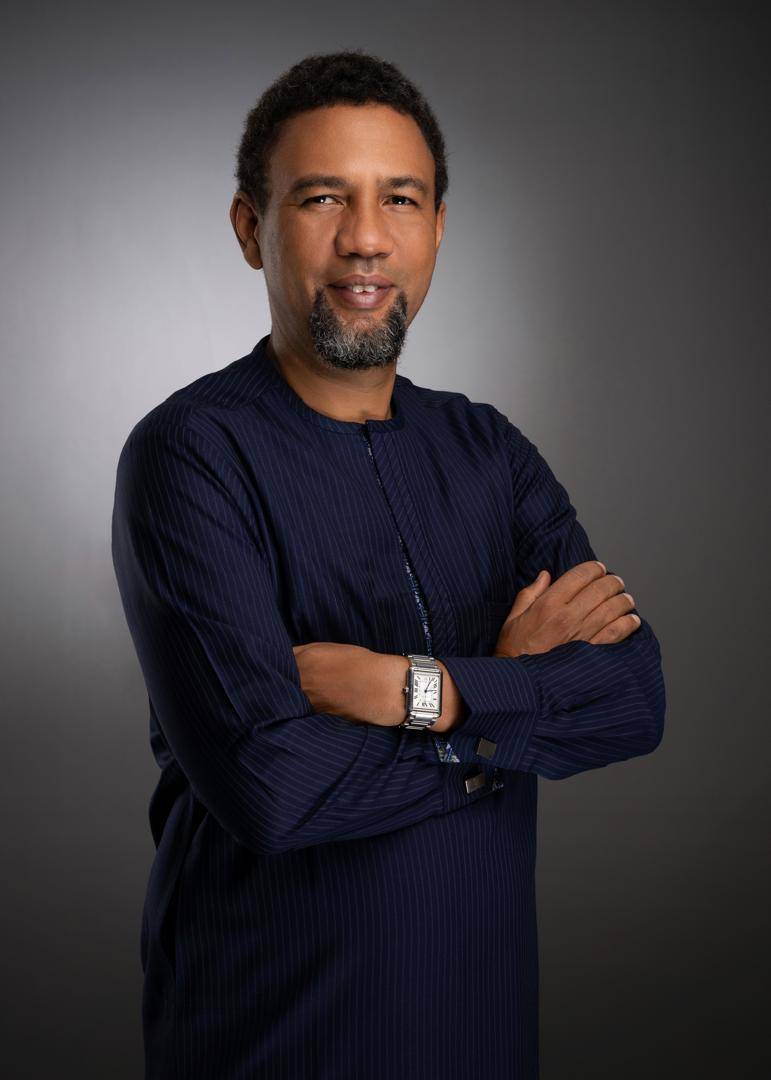
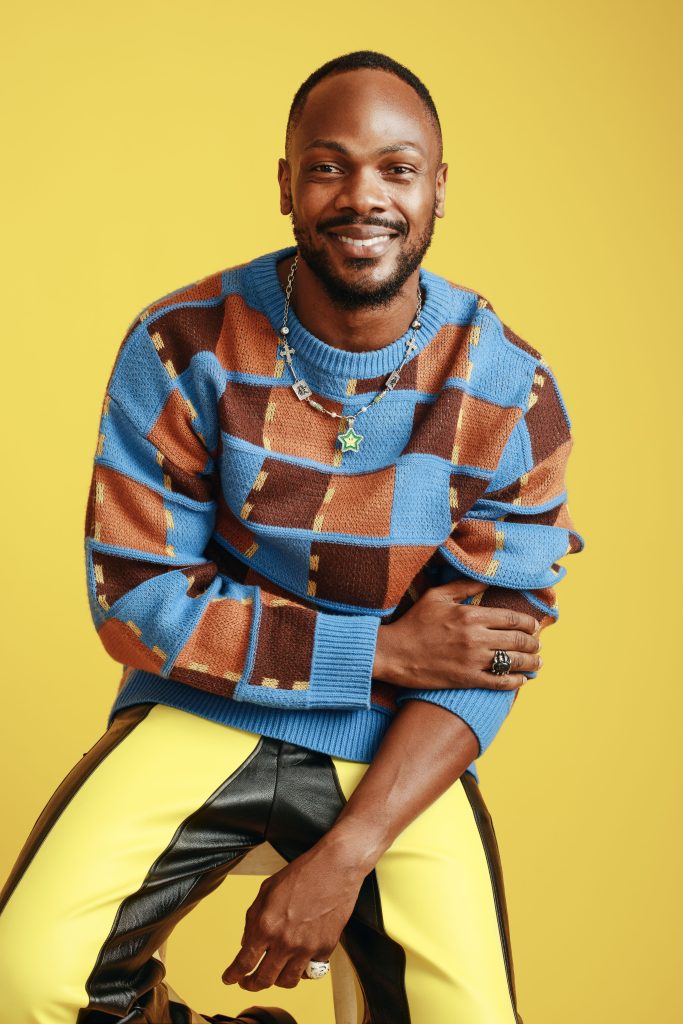
LAGOS – The modern entertainment landscape in West Africa is an arena of blinding flashbulbs, relentless social media commentary, and the constant pressure to perform both on and off the screen. Yet, behind the polished exterior of Nollywood’s most bankable leading men lies a quiet, analytical subtext that rarely makes the red-carpet headlines. In a deeply resonant and expansive podcast conversation, multifaceted Nigerian storyteller, actor, and director Daniel Etim Effiong sat down with Ifedayo Agoro, the visionary founder of the influential platform Diary of a Naija Girl. What emerged from this dialogue was far more than a routine celebrity profile or a promotional press junket. Through an elegant display of strategic storytelling and transformational framing, the conversation unfolded as a profound psychological and spiritual autopsy of a modern creative. For an audience accustomed to consuming Effiong through the two-dimensional lens of cinema, the interview offered an intelligent curation of his interior world, mapping out a life defined by radical career pivots, a sudden spiritual confrontation, and the heavy, ancestral shadow of a family legacy forged in the crucibles of Nigeria’s turbulent military history.
To enter the emotional precision of Effiong’s narrative is to first understand the sophisticated armor he has constructed to survive the volatile theater of contemporary digital culture. In an era where public figures are expected to constantly validate themselves in the court of public opinion, Effiong revealed a deeply disciplined philosophy regarding public criticism and social media vitriol. Rather than engaging in the exhausting, performative cycles of clapback's and defensive commentary, he chooses absolute silence. This restraint is not born out of indifference, but from a profound cultural understanding of the structural gap between the artist and the crowd. Effiong framed himself fundamentally as a "thinker"—someone whose creative and intellectual output requires a nuance that is systematically flattened by the fast-moving algorithms of internet outrage. By accepting that true artistic intentionality will almost always be misinterpreted by the larger public, he effectively decouples his self-worth from the erratic temperature of the digital streets, transforming public misunderstanding from an emotional injury into an inevitable cost of doing business at the highest level.
This capacity for deep, independent thought explains the remarkable courage behind his historical transition from the secure corridors of corporate engineering into the unpredictable wilderness of film directing. Long before he was a household name on African television, Effiong was tracking a traditional, highly coveted trajectory within Nigeria’s competitive oil and gas sector. Yet, he spoke of a long-standing, internal friction—a persistent passion for storytelling that could not be suppressed by the material comfort of an engineer's salary. The narrative of his pivot serves as an inspiring exercise in transformational framing; he did not merely "quit his job to follow a dream," but rather treated the transition with the rigorous discipline of an academic expedition. This journey took him to South Africa, where he immersed himself in the formal study of film directing, sharpening his raw instincts into sharp technical competencies. This calculated gamble eventually culminated in the creation of his recent, highly acclaimed cinematic triumph, The Herd.
Related article - Uphorial Shopify
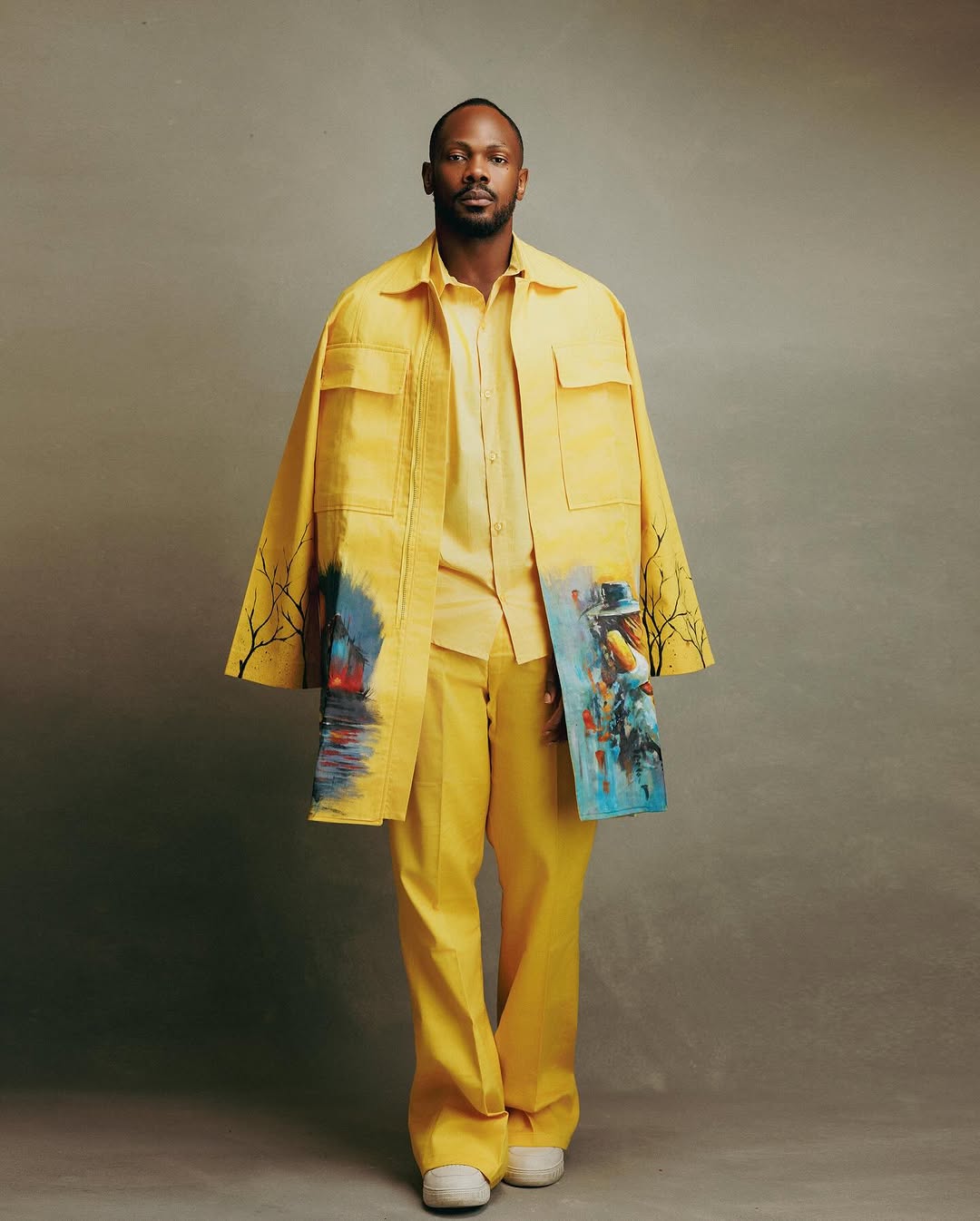
The journey of The Herd acts as a perfect case study for the immense structural hurdles that define the independent African film industry, particularly the grueling, often demoralizing process of securing financial capital. Effiong recounted the exhausting series of closed doors, creative compromises, and financial anxieties that threatened to derail the project before a single camera ever rolled. Yet, the strategic storytelling of the film’s ultimate trajectory defies conventional industry logic. After a successful domestic cinema run, the film bypassed the typical, sluggish distribution windows to land on the global streaming giant Netflix in record time. Rather than attributing this rapid ascension solely to marketing genius or corporate networking, Effiong reframed the entire triumph through a spiritual lens. He spoke candidly of a journey fueled by absolute faith and an unyielding commitment to following divine guidance, proving that when an artist's vision is aligned with a higher purpose, the market naturally bends to accommodate it. This reliance on a higher power is not a superficial rhetorical device for Effiong; it is the direct consequence of a deeply personal, terrifyingly visceral "spiritual arrest" that fundamentally rearranged his psychological architecture. Pulling back the curtain on his interior life, the director described a profound moment of spiritual confrontation that altered his perspective on human existence, morality, and daily habits. Bypassing the polite, sanitized language of modern wellness, Effiong spoke of a physical manifestation during this spiritual awakening—an encounter so profound and structurally undeniable that it forced him to immediately abandon old patterns of behavior and commit himself unreservedly to his faith. This raw testimony offered a stark contrast to the secular, hyper-materialistic ethos that dominates the entertainment industry, positioning spiritual submission not as a weakness, but as the ultimate grounding mechanism for a man navigating the intoxicating heights of fame.
This internal discipline becomes entirely comprehensible when filtered through a sharp historical understanding of the man who raised him. A significant and emotionally heavy portion of the conversation was dedicated to the sweeping, dramatic story of Effiong’s father—a prominent military officer during one of Nigeria’s most volatile political eras, who was abruptly imprisoned, court-martialed, and sentenced to death before receiving a miraculous, historic pardon years later. Effiong analyzed this ancestral trauma with remarkable poise, detailing how his father’s immense resilience, quiet dignity, and unshakeable character through the horrors of the death cell became the definitive blueprint for his own life. The shadow of the father directly informs the architecture of the son; Effiong explained that watching a man survive the absolute extremes of state persecution with his integrity intact taught him how to approach the sacred institutions of fatherhood and marriage. It stripped away the superficialities of modern masculinity, leaving behind a legacy built on endurance, moral responsibility, and the absolute protection of the domestic sanctuary.
This philosophical maturity underpins Effiong’s approach to modern marriage and interpersonal communication, particularly when lived out under the distorting lens of public scrutiny. Discussing the complex dynamics of a high-profile relationship with Agoro, the conversation moved deeply into the unglamorous mechanics of long-term relational survival. Effiong emphasized the absolute necessity of psychological maturity when handling the inevitable misunderstandings, friction, and even the devastating specter of betrayal that can occur within relationships. He reframed marriage not as a permanent state of romantic bliss, but as an active, daily choice requiring rigorous emotional literacy and an unyielding commitment to open communication. Furthermore, the duo tackled the critical, often ignored concept of rest within the hyper-kinetic creative industries, arguing that true productivity is impossible without deliberate, unapologetic periods of stillness and recovery. Ultimately, this definitive encounter between Daniel Etim Effiong and Diary of a Naija Girl serves as a powerful report on the changing face of African celebrity culture. It provides a blueprint for the modern African man trying to balance corporate ambition, artistic expression, familial legacy, and spiritual peace in a highly distracted world. As the conversation drew to a close, the takeaway was undeniably clear: the measure of a truly successful life is not found in the roar of the crowd or the metrics of digital validation, but in the quiet, disciplined alignment of your actions with your deepest values. Through his journey from the oil rigs of Nigeria to the global screens of Netflix, guided by the memory of his father's survival and the reality of his own spiritual awakening, Effiong has proven that a man can occupy the center of the cultural zeitgeist without ever losing ownership of his soul.