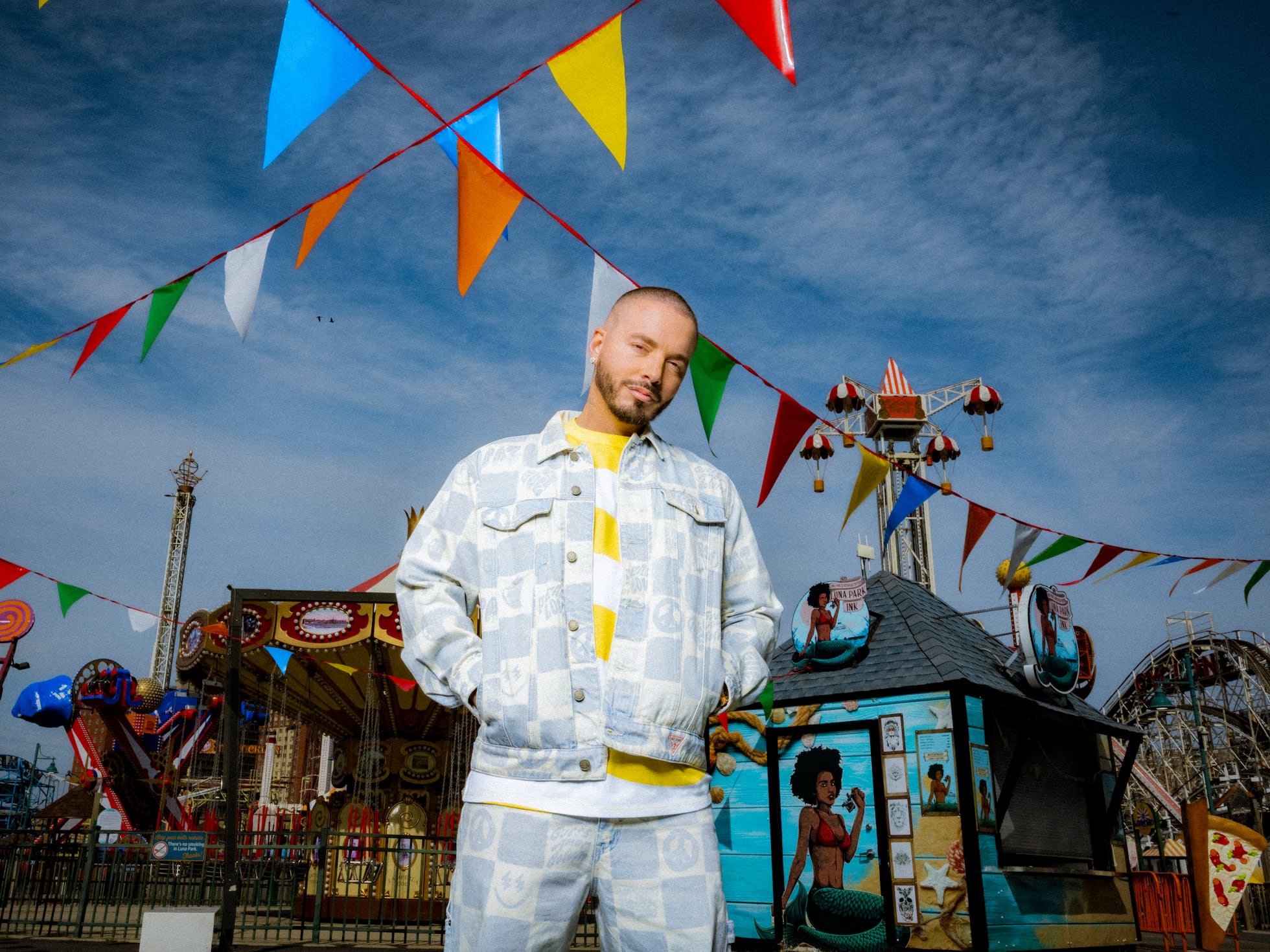
MEDELLIN - The ascent of José Álvaro Osorio Balvin—globally recognized as J Balvin—from the vibrant, sometimes turbulent streets of Medellín, Colombia, to the absolute pinnacle of international pop culture is not merely a story of musical success; it is a profound study in strategic self-actualization. In a recent, candid conversation, Balvin and veteran culture journalist Noah Callahan-Bever peeled back the layers of a career defined by relentless discipline and an uncanny ability to translate regional passion into a universal language. Their dialogue serves as a masterclass in the intersection of artistry and entrepreneurship, offering a rare glimpse into the psyche of a man who has fundamentally remapped the contours of modern music without ever abandoning the spirit of his roots.
The foundational chapters of Balvin’s narrative are grounded in a crucible of economic reality rather than the romanticized dreams of stardom. He speaks with striking vulnerability about his father’s bankruptcy during his teenage years, an event that served as the primary catalyst for his professional evolution. During a period when many of his peers were concerned with standard adolescent milestones, Balvin was performing in neighborhood clubs and small venues, obsessively saving every cent to help stabilize his family’s future. This early exposure to the harsh friction between ambition and survival instilled in him a work ethic that remains the defining trait of his global brand today. He views those formative years not as a trauma, but as an essential hardening process—a period where he learned that real power in the industry is earned through consistent, high-pressure output.
Moving to New York in his early years, Balvin encountered the overwhelming, often homogenizing forces of the international music market. It was here that he cultivated his most critical strategic insight: the necessity of an unyielding musical identity. Rather than attempting to mimic the Anglophone pop structures that dominated the global charts, he doubled down on the distinct, syncopated urgency of reggaeton, believing that authenticity would eventually command its own space. His rise to superstardom was marked by a deliberate refusal to sing in English—a bold, defiant stance that forced the global music industry to come to him on his own terms. This was not a rejection of international appeal, but a masterful piece of transformational framing; by refusing to dilute his sound, he transformed reggaeton from a regional niche into a dominant, global cultural force.
Related article - Uphorial Shopify

The conversation further explored Balvin’s trajectory as a creative architect who refuses to be confined to the recording studio. His entrepreneurial philosophy is rooted in a desire to build a diverse, sustainable empire that mirrors the multifaceted nature of his own life. From pioneering landmark collaborations with the Jordan Brand to his active investments in hospitality and culinary ventures, Balvin approaches entrepreneurship with the same intelligent curation he applies to his albums. He views these partnerships not as mere endorsements, but as extensions of his own aesthetic universe, using his influence to open doors for other Latinx creators and small business owners. He speaks to this with an infectious sense of duty, emphasizing that his goal has always been to inspire the next generation of Latino entrepreneurs to dream with global scope while maintaining a grounded, community-focused core.

Perhaps the most poignant segments of the discussion centered on the radical evolution of Balvin’s personal life. Now in his forties and navigating the profound responsibilities of fatherhood, he reflected on the shift from the relentless, ego-driven pace of his thirties toward a life governed by emotional boundaries and intentional peace. He admits that becoming a father has fundamentally recalibrated his internal compass, forcing him to prioritize his family’s well-being and his own mental health over the unsustainable demands of constant professional acceleration. This evolution toward personal development and autonomy is, in his own estimation, the most challenging and rewarding work of his life.
By the time the interview concluded, it was clear that J Balvin’s story is not just one of charts and streams. It is a deeply nuanced account of a cultural architect who has learned how to navigate the global stage without losing his own sense of self. Whether he is selling out a homecoming stadium show in Medellín or discussing the necessity of mental health advocacy at the global level, Balvin remains a figure of singular consistency. He stands as a living bridge between the past and the future of Latin music—a man who proved that by staying true to his own narrative, he could ultimately convince the entire world to sing along.