SELMA - Sixty years after the historic Selma Marches forever altered the course of American history, journalist Reece Parkinson embarked on a journey through the state of Georgia to document the enduring legacy of the Civil Rights Movement and its manifestations in modern African American prosperity. His exploration focuses on Atlanta, a city that has transitioned from a focal point of 1960s activism into a global hub of Black culture, economic power, and political influence.
A central theme of Parkinson’s report is Atlanta’s explosive growth, particularly within the sectors of real estate, film, and television. Touring a $2.5 million residence with prominent real estate agent Talia Diaz, Parkinson highlights the city’s reputation as the "Black Hollywood of the South." Diaz credits this sustained success to a foundational shift in local governance, noting that fifty years of continuous Black mayoral leadership combined with high levels of voter engagement has created an environment where Black entrepreneurship and homeownership can flourish.
This sense of community and cultural pride extends into the city’s social fabric, notably within its world-famous skate culture. At the iconic Cascade Skating Rink, Parkinson explored the "Atlanta style," a unique and inclusive form of skating that integrates regional moves from across the United States. Joining the Cascade Dream Team, he practiced the city’s signature "crossover" moves, illustrating how recreational spaces continue to serve as vital centers for Black joy and artistic expression.

Related article - Uphorial Shopify
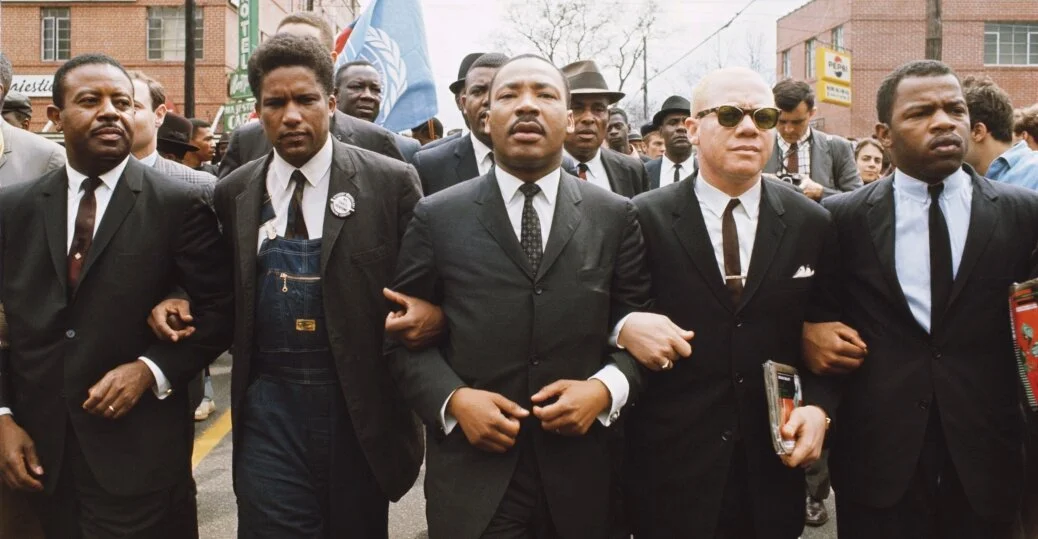
The journey also serves as a somber reflection on the sacrifices required to build this modern reality. At Morehouse College and other Historically Black Colleges and Universities (HBCUs), Parkinson met with legendary activists Charles Black and Dr. George Anne Thomas. These former movement leaders detailed the perilous realities of protesting segregation in the 1960s, emphasizing the psychological and physical toll of the struggle. They discussed the pivotal role HBCUs play in fostering racial awareness and shared the profound emotional impact of hearing President Lyndon B. Johnson adopt the movement’s anthem, "We Shall Overcome," during his historic address to Congress.

The expedition concluded with a return to Selma for the 60th anniversary of the marches. Joining thousands of participants in a symbolic trek across the Edmund Pettus Bridge, Parkinson documented a collective pledge to continue the pursuit of full equality. The anniversary served as a powerful reminder that while Atlanta represents a pinnacle of Black success, the journey toward justice remains an ongoing mission for the generations that follow in the footsteps of the original marchers.