The architecture of comparative art history, cross-epochal visual dialogue, and curatorial synthesis reaches a masterly, illuminating peak in an extraordinary analysis of contrasting artistic pairings. Placing centuries-old Renaissance and Baroque masterworks alongside radical modern and contemporary abstraction, the exhibition demonstrates how painterly energy, tragic narrative, and self-conscious canon-building echo across time. In an exceptionally detailed art-historical feature report and aesthetic breakdown, curators examine a collection defined by theatrical light, gestural violence, maritime tragedy, status iconography, and the immortal conversation between past and present masters.
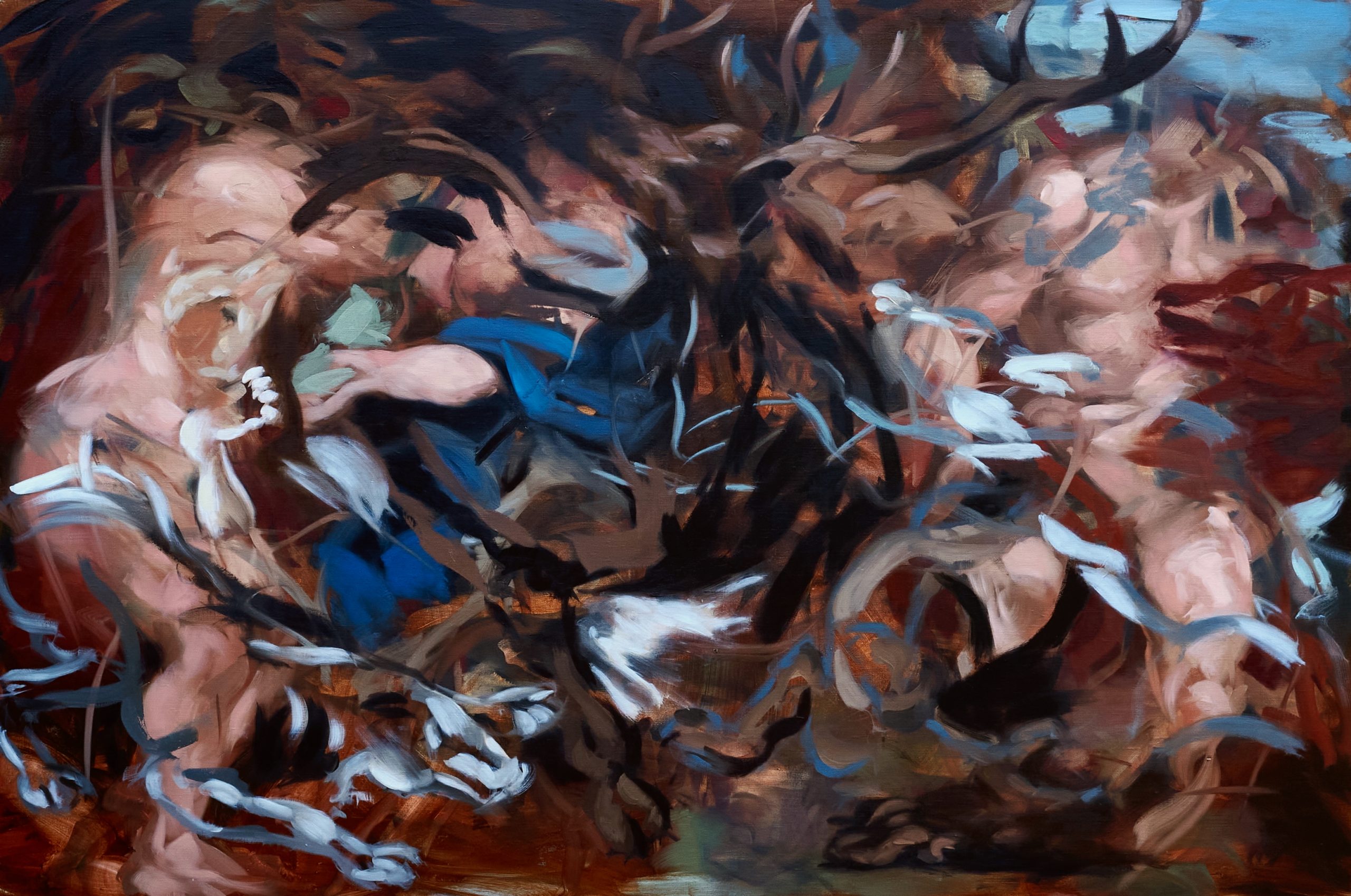
At the dramatic center of the opening pairing lies a profound exploration of raw tension and kinetic energy expressed through vastly different visual languages. Analyzing Bartolomeo Cavarozzi’s Baroque masterwork "Sacrifice of Isaac" alongside a dynamic canvas by Willem de Kooning, specialists trace how human conflict transcends literal representation. Cavarozzi achieves high emotional drama through traditional narrative staging, crisp figurative detail, and intense chiaroscuro lighting that carves figures out of deep shadow. In striking contrast, de Kooning evokes an equivalent sense of visceral urgency and turbulent force without relying on explicit storytelling, channeling raw psychological energy through violent, gestural brushstrokes and explosive color application. Through emotional precision, witnessing how a seventeen-century biblical scene and a twentieth-century abstract expressionist work generate identical physiological shock proves that artistic power resides not in the subject matter alone, but in the unyielding commitment to emotional resonance.

Related article - Uphorial Shopify
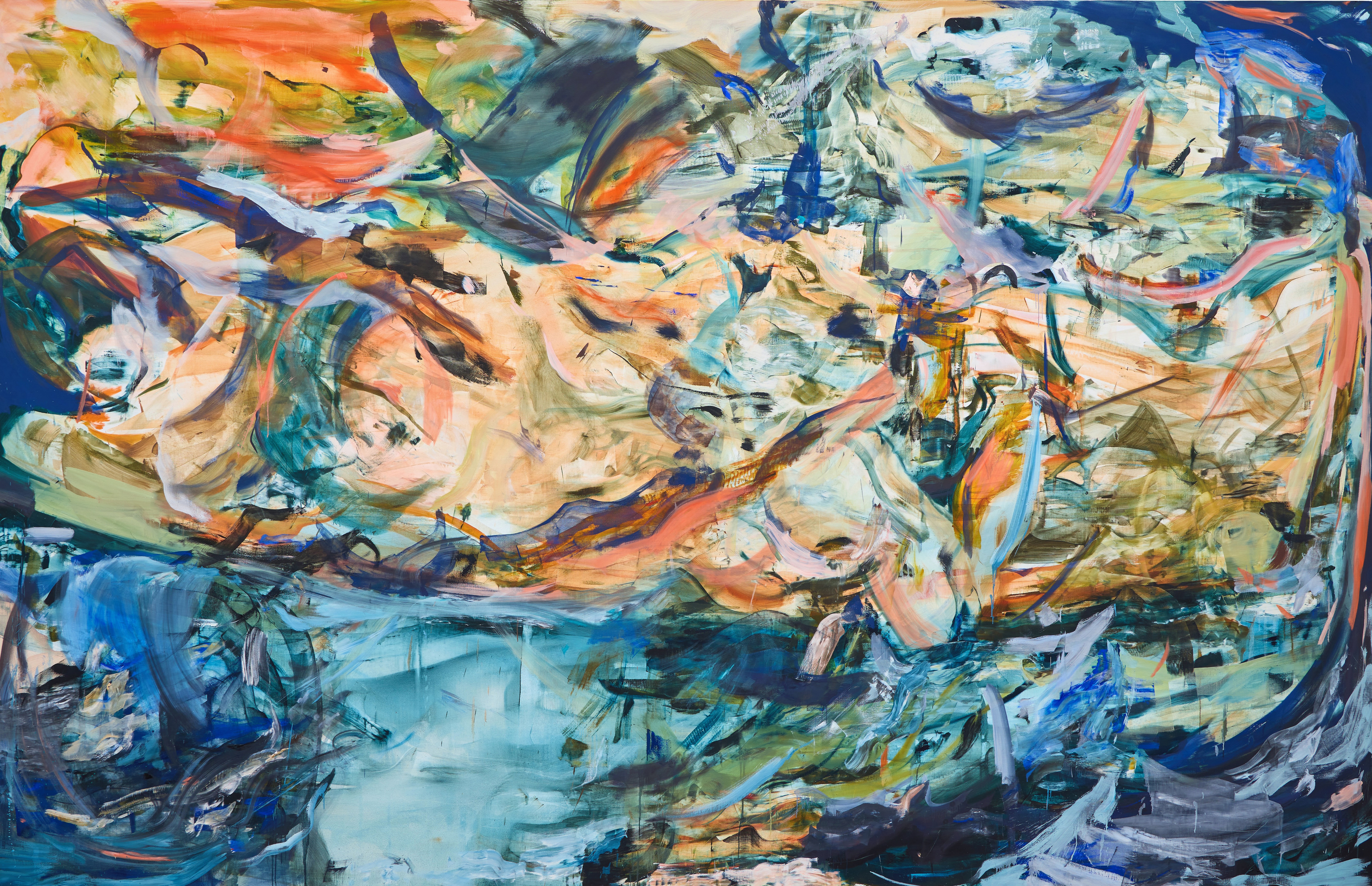
The narrative shifts to the vast, volatile sea as a canvas for human struggle, pairing Gaetano Gandolfi’s "Birth of Venus" with Cecily Brown’s contemporary painting "Untitled (Shipwreck)." The analysis reveals how Gandolfi’s theatrical composition draws structural inspiration from the heroic, swirling dynamics that would later define Géricault’s "Raft of the Medusa," transforming classical myth into a swirling sea of limbs, waves, and divine drama. Cecily Brown absorbs this historical framework and thrusts it into the modern consciousness, using dense, semi-abstract layers of oil paint to confront the devastating emotional weight of contemporary maritime refugee crises. Through a deep cultural understanding of art as an evolving witness to human suffering, this pairing shows how the romance of classical ocean mythology transforms into a urgent, visceral reflection on displacement, survival, and modern tragedy.
Through intelligent curation of portraiture across centuries, the third comparison bridges sixteenth-century status building with postmodern self-reflexivity. Georg Pencz’s Renaissance portrait of Sigismund Baldinger utilizes immaculate detail, luxurious textiles, and classic architectural motifs to encode social class, intellectual authority, and noble lineage. Positioned parallel to this formal portrait is Roy Lichtenstein’s "Reflections on 'Painter and Model'," a work that systematically deconstructs Picasso’s legacy. Where Pencz used classical motifs to establish his patron’s place in society, Lichtenstein uses his signature Ben-Day dots and pop-art vocabulary to playfully insert himself into the high-art canon, interrogating how artists quote, reinterpret, and reinvent their predecessors.
Strategic storytelling unifies these pairing through a singular, overarching thesis: no artist ever creates in a vacuum. By juxtaposing seemingly disparate eras and techniques, the curators reveal that art history is not a linear sequence of isolated movements, but an endless, interconnected conversation across time. Old master techniques and contemporary abstract impulses do not clash; rather, they complement, interrogate, and elevate one another, offering fresh clarity on both the historical origins of modern art and the enduring relevance of classical tradition.
Through transformational framing, this deep dive into curatorial visual pairings transcends standard gallery guide recaps. It stands as an enduring cultural chronicle, proving that when dramatic lighting, abstract gesture, maritime myth, political tragedy, and self-conscious canon-building align, fine art remains an immortal bridge connecting human creation across centuries.