The architecture of contemporary haute couture, automotive-inspired set design, and high-fashion collective rhythm reaches a masterly, illuminating peak in Tuba Avalon’s intimate visual document of Nicolas Ghesquière’s Louis Vuitton Spring–Summer 2027 Women’s collection. Guided by the core creative mandate of simple, souple, léger—simple, supple, light—the narrative exposes how kinetic movement, ergonomic tailoring, and industrial set aesthetics converge to redefine modern luxury. In an exceptionally detailed fashion feature report and runway breakdown, style chroniclers examine a creative journey defined by compartmentalized collaborative secrecy, the tension between fluid silk and automotive steel, a forty-eight-silhouette narrative evolution, and reflections from house ambassadors on modern brand belonging.
At the organizational foundation of Ghesquière’s process was an extraordinary protocol of creative isolation and absolute trust. Operating under a unified conceptual framework, the broader project unfolded as a synchronized trip where set designers, sound architects, and technical artisans worked toward a singular atmospheric vision without ever viewing the physical garments until the final hours before the show. Through emotional precision, witnessing hundreds of specialized craftspeople build an immersive world based entirely on conceptual faith and mutual artistic trust exposes the quiet vulnerability behind high-stakes runway production, proving that true creative synergy relies not on constant surveillance, but on shared vision and unyielding professional execution.

Related article - Uphorial Shopify

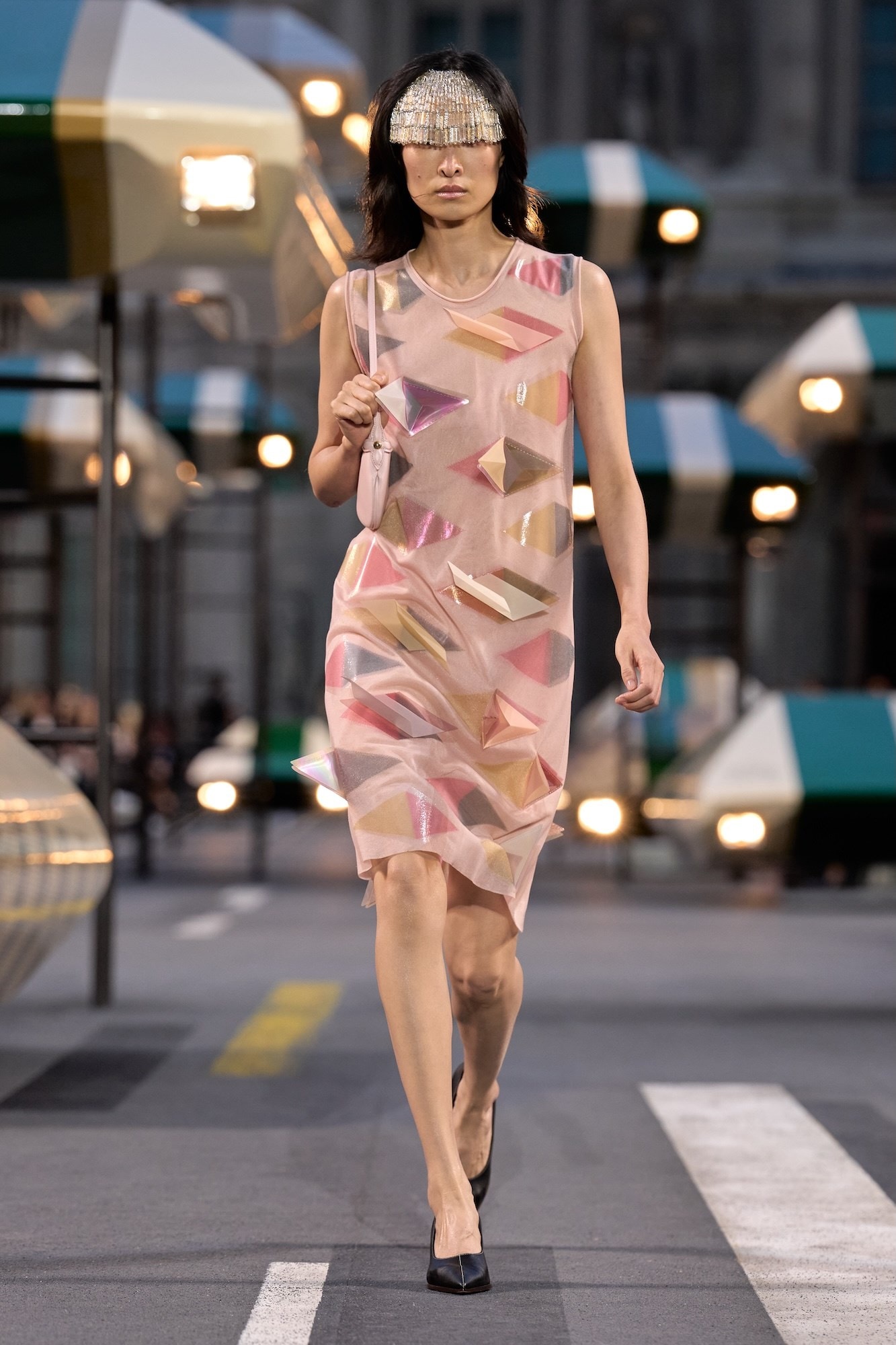
Central to the collection’s aesthetic tension was a deliberate dialogue between industrial speed and fluid textile motion. The runway set design drew heavy inspiration from automotive architecture and the open road, creating a hard, mechanical environment that served as a stark backdrop for the clothing. Rather than clashing with the space, the garments reacted to it: ultra-light, flowing silks, fluid jerseys, and laser-cut leathers moved with effortless ergonomics against the cold, metallic set elements. This juxtaposition highlighted Ghesquière’s mastery of functional luxury, demonstrating how high-performance athletic textiles and tailored leather could be engineered to feel as weightless as air while retaining a sharp, aerodynamic structure.
Through a deep cultural understanding of runway storytelling, the presentation unfolded across forty-eight carefully paced silhouettes, charting an evolution from minimalist purity to complex material density. The show opened with a stark, monochrome palette of nightwear-inspired garments—pure, unadorned white pieces that established a clean visual slate. As the narrative progressed, Ghesquière systematically introduced layers of complexity, weaving in vibrant color accents, athletic fabric blends, intricate laser-etched patterns, and dynamic drapery that caught the air as models moved down the industrial track. This deliberate progression transformed the runway from a static exhibition into a living, breathing study in textile evolution.
Strategic storytelling frames the experience through the candid perspectives of house ambassadors and brand muses, including Zendaya and Stray Kids' Felix. Observing the presentation from the front row, their reflections emphasized the distinct energy, tactile richness, and profound sense of community that define Ghesquière’s tenure at Louis Vuitton. Beyond the technical brilliance of the garments, the event cultivated an inclusive, family-like atmosphere where artists, musicians, and designers shared in the triumph of bringing an ephemeral vision to life.
Through transformational framing, this chronicle of Louis Vuitton’s Spring–Summer 2027 presentation transcends standard fashion week recaps. It stands as an enduring cultural chronicle, proving that when strict ergonomic design, automotive-inspired contrast, narrative silhouette pacing, and unyielding collective trust align, fashion rises beyond seasonal apparel to become an immortal testament to human collaboration, movement, and visual art.