PARIS – As the sun lingers at its highest point in the sky for the summer solstice, France undergoes a radical transformation. On June 21st, the air across the hexagonal nation ceases to be filled with the usual hum of traffic and urban chatter, replaced instead by a cacophony of melodies that range from the refined strings of a baroque ensemble to the bone-shaking bass of a techno stage. This is La Fête de la Musique, an annual phenomenon that turns every boulevard, cobblestone alley, and public square into a sprawling, democratic stage.
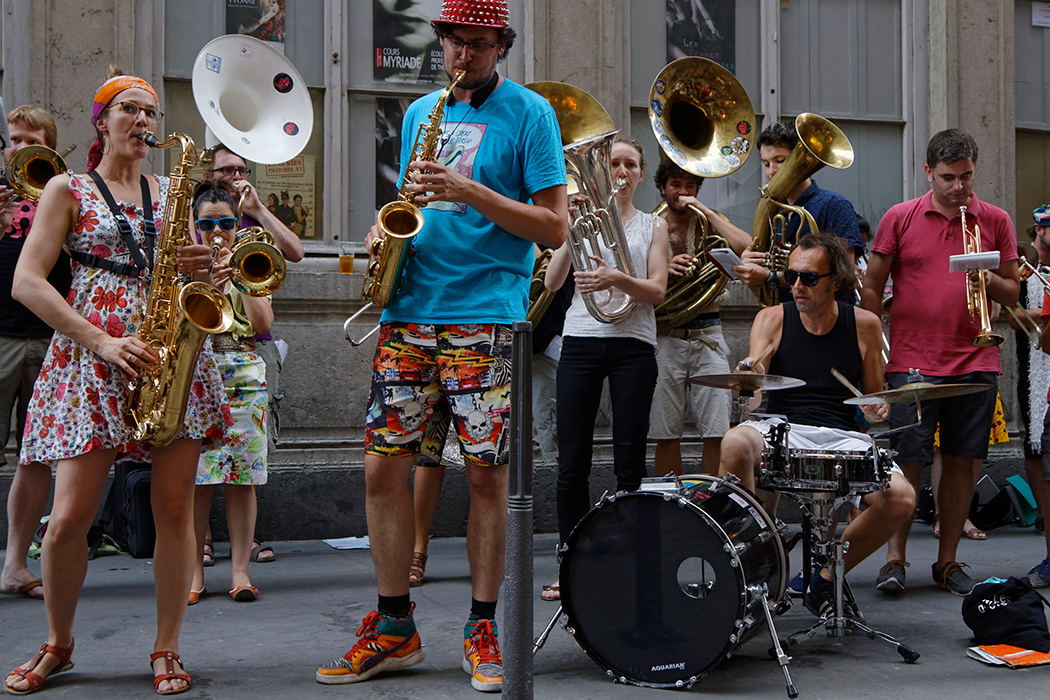
What makes this event unique is its radical accessibility; it is a day where the barrier between the performer and the public evaporates entirely. In cities like Paris, Lyon, and Bordeaux, the festival operates under a simple but profound motto: "Faites de la musique!"—a clever play on words that translates to "Make music!" It is an invitation that is taken literally by thousands. On any given corner, a world-class professional might be playing a grand piano just blocks away from a group of teenagers nervously plugging in their first electric guitars. This democratic spirit ensures that the soundtrack of the day is never predictable. One might wander through the historic arches of the Louvre to find a full classical orchestra mid-symphony, only to turn a corner and find a jazz trio tucked into a cafe doorway or a pulsing electronic dance party taking over a neighborhood intersection.
The history of this cultural staple dates back to 1982, conceived by the then-French Minister of Culture, Jack Lang, alongside Maurice Fleuret. Their vision was revolutionary for the time: to take music out of the elite, hushed halls of conservatories and opera houses and hand it back to the citizens. They imagined a day where music was not a commodity to be purchased, but a communal right to be shared. That original vision has proven so potent that it has transcended French borders, evolving into World Music Day and spreading to over 120 countries and 340 cities across the globe. Yet, despite its international reach, there is an unmistakable, authentic energy to the French celebrations that remains unmatched, fueled by a national pride in artistic expression and public joy.
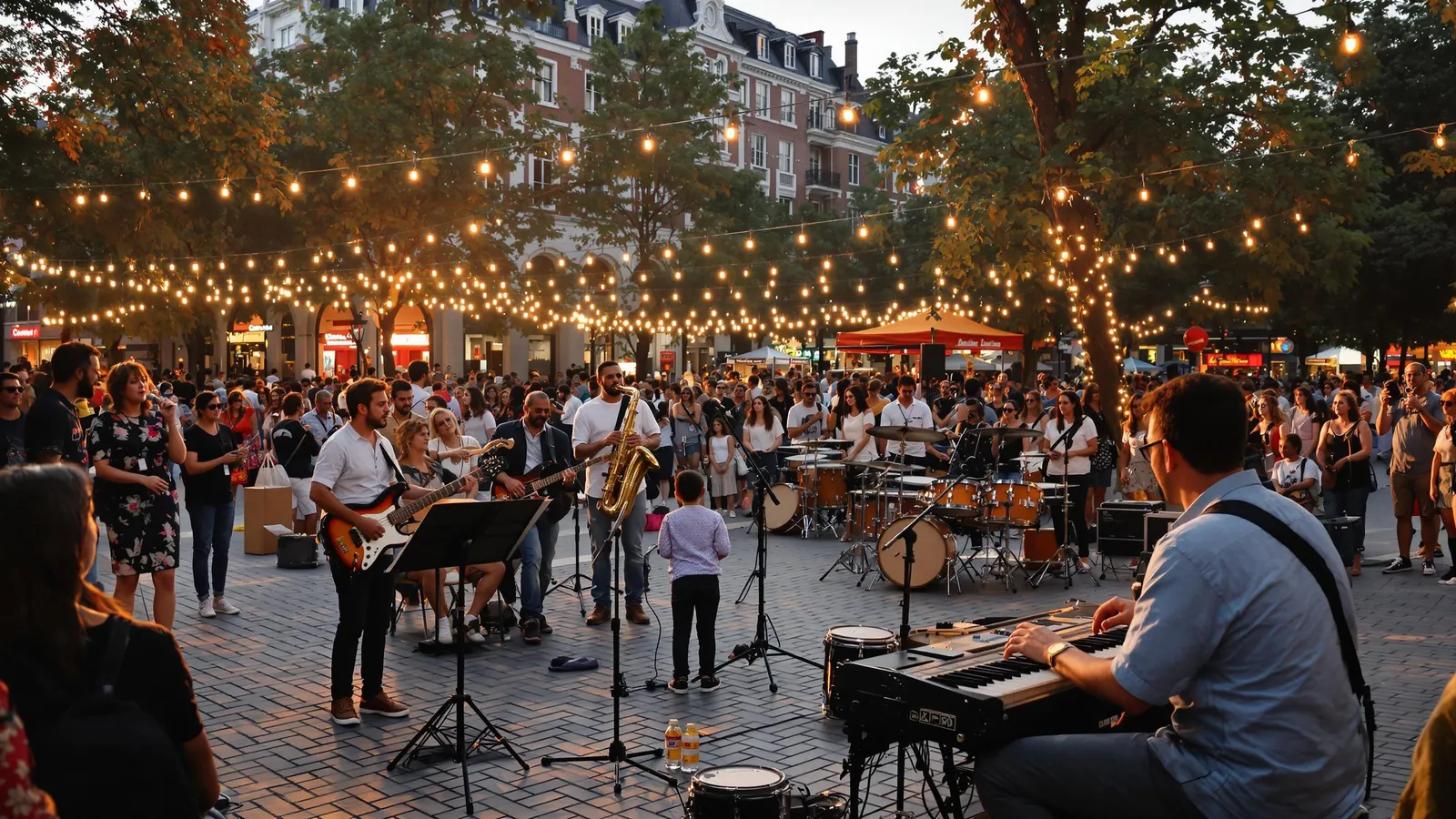
The energy of the film peaks during its coverage of La Fête de la Musique, the renowned nationwide block party that transforms the streets of Paris into a sprawling open-air concert. Carlos captures the sensory overload of the event, navigating through diverse musical performances before documenting an invitation to a private house party. From a balcony overlooking the vibrant, music-filled crowds below, the film offers a rare, insider perspective on the communal spirit that defines the Parisian summer.
Related article - Uphorial Shopify
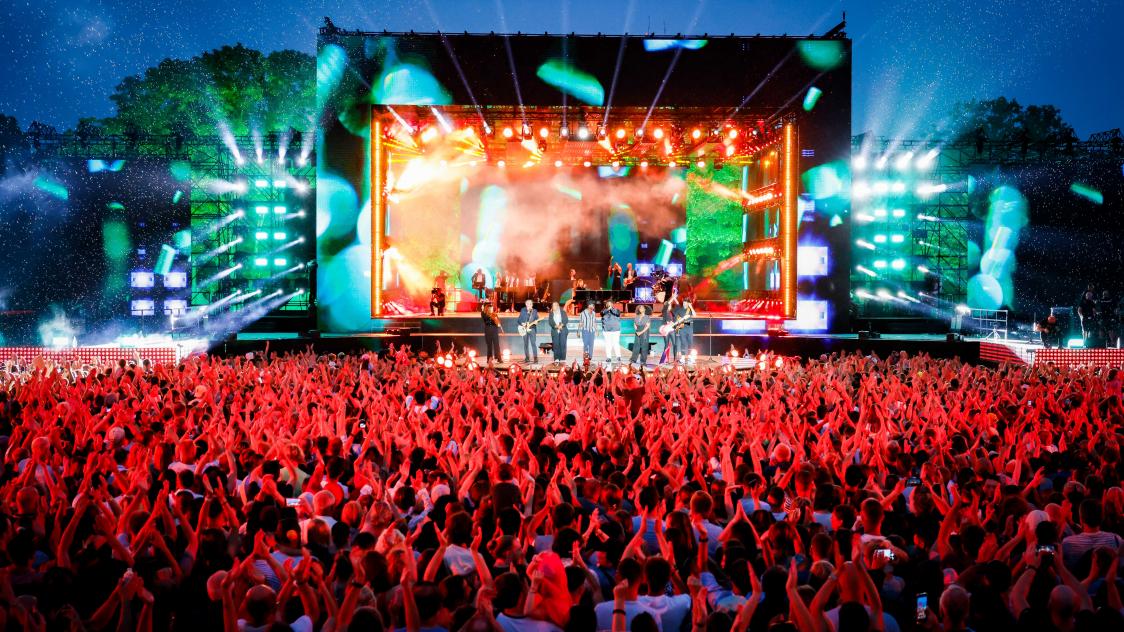
For those navigating the festivities, the experience is less about following a rigid schedule and more about the art of the "flâneur"—the aimless, observant stroll. In the heart of Paris, neighborhoods like the Marais become a labyrinth of sound, while the heights of Montmartre offer panoramic views of a city literally vibrating with song. The logistical scale of the event is equally impressive; the French government and local municipalities lean into the chaos rather than trying to stifle it. In the capital, major Metro lines are known to run throughout the night, offering discounted fares to ensure that the revelry can continue long after the sun has finally set on the year's longest day.
As the afternoon performances give way to the evening’s peak energy, the atmosphere shifts from a family-friendly cultural stroll to a nationwide street party. While major institutions like the Institut Français often host curated, high-profile sets that draw massive crowds, the true magic of the festival often lies in the unscheduled moments—the discovery of a haunting folk singer in a quiet courtyard or a brass band leading a spontaneous parade down a narrow street. It is a day where the country breathes in rhythm, proving that even after four decades, the simple act of making music remains one of the most powerful ways to unite a modern society.