Rio de Janeiro - Rio de Janeiro remains the undisputed epicenter of a global musical dialogue, according to a new documentary series exploring how rhythmic heritage serves as the connective tissue for urban communities. The first installment of the project dives into the sensory-heavy streets of Brazil’s cultural capital, framing music not merely as entertainment, but as a historical map of resistance and a modern tool for social synchronicity. From the sacred stones of the city's harbor to the pulsating "baile" parties of the North Zone, the report captures a city where every beat is anchored in a legacy of struggle and a future of collective joy.
The journey begins at Pedra do Sal, the "Salt Stone" in the Little Africa district, which the narrator identifies as the literal heartbeat of Afro-Brazilian culture. In the 19th century, this site was a gathering point for freed slaves who transformed their shared history into the birth of Samba. Today, the area is a vibrant open-air gallery, with street art and massive murals honoring Black identity and the spirit of "quilombismo." The weekly Monday Samba parties here are described as possessing a "carnival-level energy," where high-intensity percussion sessions serve as a living tribute to the ancestors who first claimed this space for their community.
Related article - Uphorial Shopify
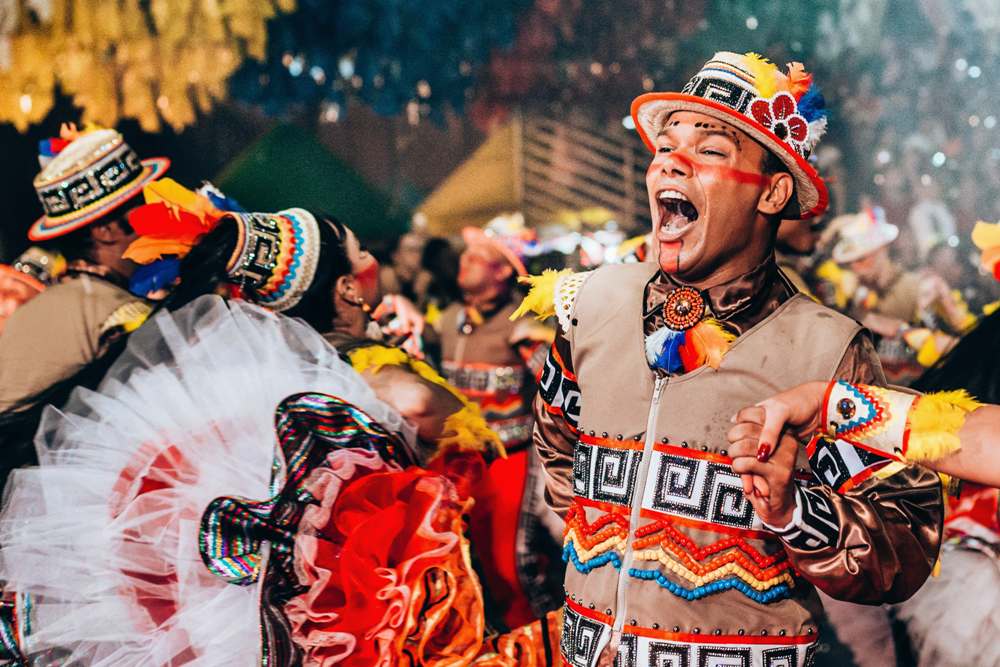
Rio’s visual landscape is as vocal as its music, with the documentary highlighting the iconic murals that watch over the city. Figures like Zumbi dos Palmares, the 17th-century leader of slave resistance, and the late activist Marielle Franco are immortalized in paint, symbolizing an ongoing fight for equality that mirrors the themes found in the local lyrics. Interestingly, the narrator notes a surprising sonic layer to the city’s current palette: a deep, pervasive nostalgia for early 2000s R&B, hip-hop, and soul, which blends seamlessly with traditional Brazilian rhythms to create a unique, hybrid soundscape that defines Rio’s contemporary nightlife.
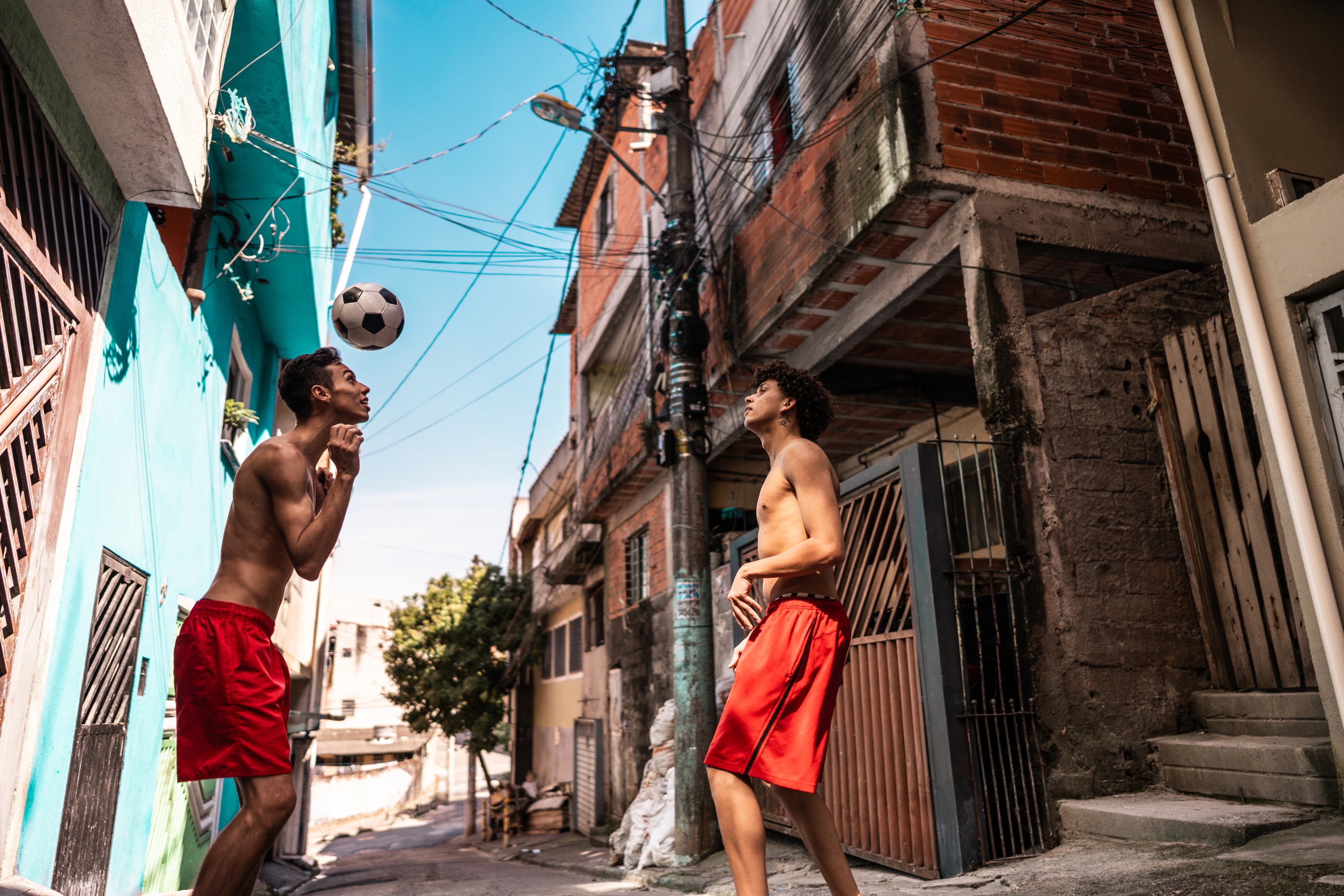
The exploration reaches its peak with an analysis of the "Baile Funk" or simply "Baile"—the massive community dance parties that act as the social engine of Rio’s favelas. At these gatherings, the narrator observes a powerful sense of synchronicity, where hundreds of people move in unison to heavy basslines, creating a collective energy that transcends individual struggle. This feeling of liberation is most palpable in the final segments of the film, which capture the narrator riding through the Vila Vintém community. The footage emphasizes a profound sense of "freedom and connection" found within these often-misrepresented neighborhoods, proving that in Rio, music is the ultimate architect of community.