The journey across Ethiopia begins in the crucible of the Danakil Depression, a surreal geological depression where the earth’s crust is actively tearing apart. In the Afar region, the sheer intensity of the environment dictates every facet of existence. Temperatures regularly soar past extreme thresholds, baking the salt flats into blinding white mosaics broken only by the toxic, neon-green and ochre-yellow sulfur springs of Dallol. This is a landscape painted by geothermal violence, bubbling with acidic pools and steaming fumaroles that evoke the surface of an entirely different planet.
Yet, beneath this unforgiving canopy, human life persists through sheer grit. The Afar salt miners—men whose ancestors have worked these exact flats for centuries—continue an arduous daily ritual. Armed with simple axes and extraordinary physical endurance, they chisel thick slabs of salt from the earth, loading them onto camel caravans that will trace ancient trading routes out of the desert. Watching them work under a merciless sun is a humbling confrontation with human resilience. It reveals an unyielding spirit forged in one of the most hostile environments known to humanity, where survival is an act of daily defiance against the elements.
Related article - Uphorial Shopify

Leaving the searing heat of the depression behind, the journey ascends into the cool, elevated plateau of the eastern highlands, arriving at the ancient walled city of Harar Jugol. Recognized as one of Islam’s holiest cities, Harar is a labyrinth of winding, narrow alleys enclosed by fortifications built between the tenth and sixteenth centuries. Within these pastel-colored walls, time seems to fold in upon itself. The air is thick with the scent of roasting coffee beans, frankincense, and centuries of accumulated heritage. Shrines, traditional Harari townhouses, and bustling markets hum with a vibrant cultural rhythm that has remained largely undisturbed by the rapid modernization sweeping across the rest of the continent.
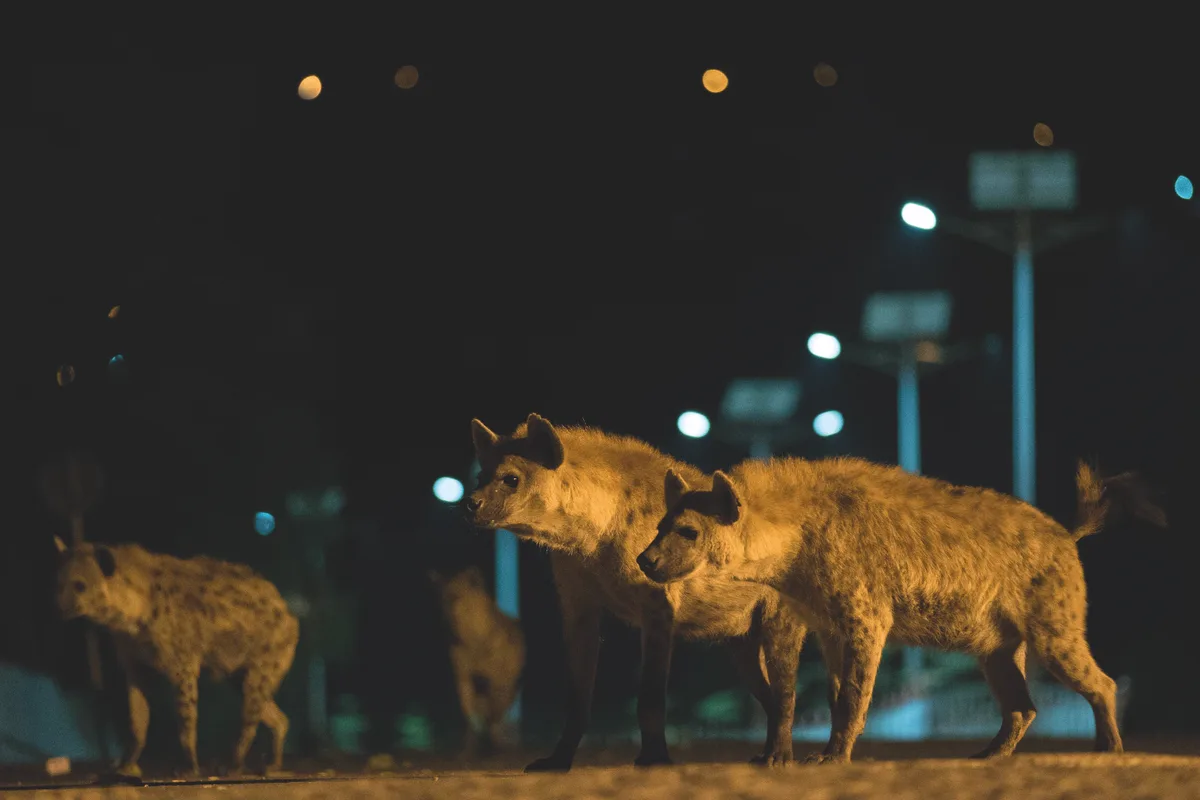
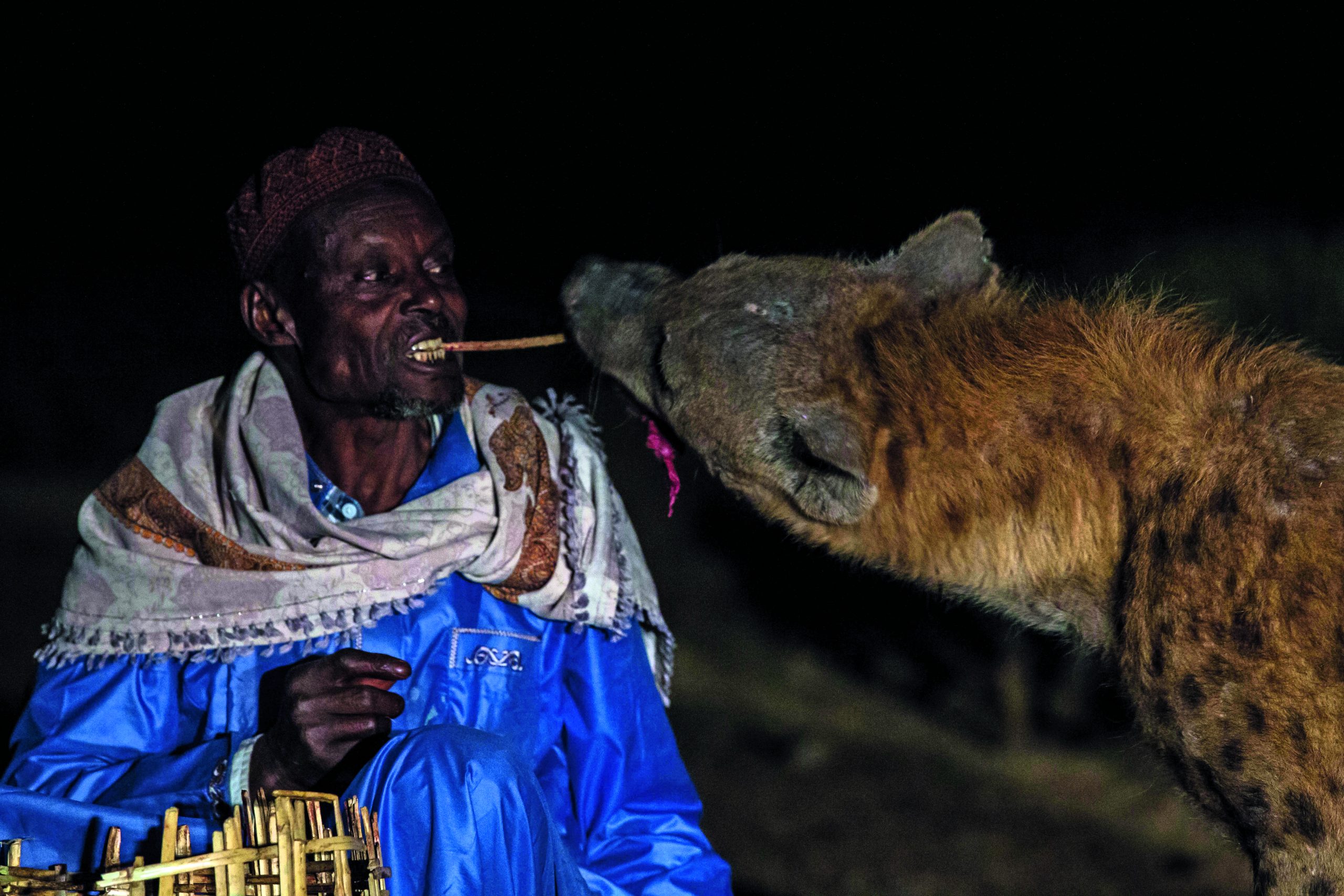
Harar’s most profound narrative, however, lies in its astonishing relationship with the natural world. For generations, the residents have coexisted in an intimate, unspoken pact with local wild hyenas. While much of the world views these apex predators as dangerous threats to be eradicated, Hararians view them as vital members of the community, believing the hyenas eat spiritual misfortune and protect the city from evil. Every night outside the ancient gates, local men summon the wild pack by name, feeding them scraps of meat by hand and mouth. Witnessing a massive hyena gently take meat from a wooden stick held between a man's teeth is an unforgettable masterclass in coexistence—a striking testament to a culture that chooses trust and harmony over fear and domination.
Together, these contrasting worlds—the volcanic harshness of the Danakil and the sacred, communal intimacy of Harar—form the dual heartbeat of Ethiopia. This expedition is far more than a physical transit across miles; it is an exploration of the profound spectrum of human experience. From the solitary laborers carving a living out of crystallized salt flats to the guardians of a walled sanctuary sharing the night with wild predators, Ethiopia exposes the deep, enduring threads of adaptability, dignity, and cultural continuity that define the very pinnacle of the human story.