The global landscape is currently defined by a high-stakes intersection of military conflict, massive infrastructure spending, and the outer reaches of human exploration. In a recent comprehensive look at the state of technology and geopolitics, the narrative of the modern era is being written across multiple fronts, ranging from the volatile markets of the Middle East to the sterile, high-tech corridors of Silicon Valley and the vacuum of deep space. As the world watches, the delicate balance of global stability is being tested by renewed tensions in Iran, where the government has officially rejected a proposed ceasefire. This refusal has sent ripples through international markets, as investors and analysts scramble to calculate the potential for broader regional instability and its subsequent impact on global supply chains and energy security.
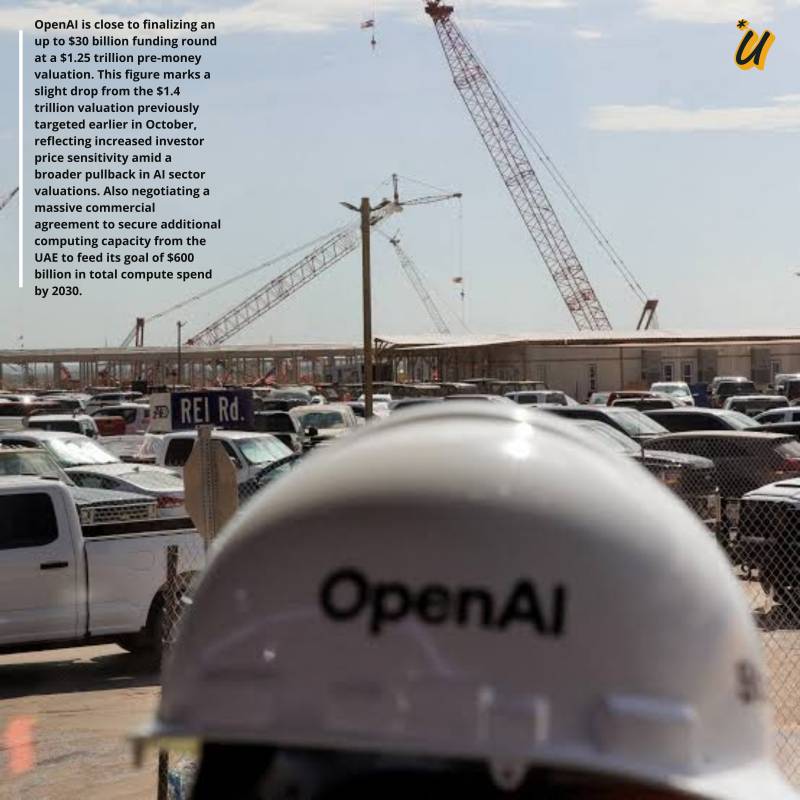
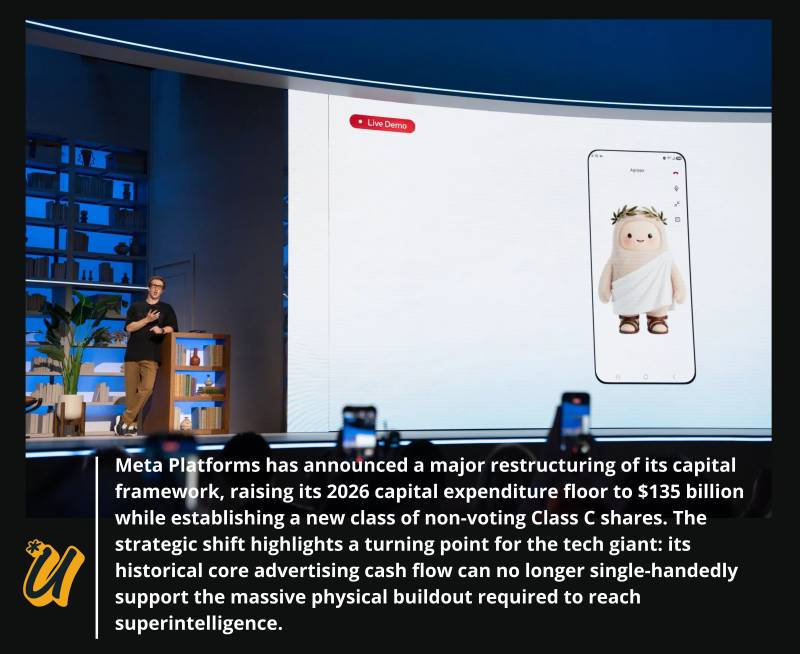
Against this backdrop of geopolitical uncertainty, the world’s most powerful technology corporations are doubling down on their long-term bets. The current market outlook for "Big Tech" is dominated by a philosophy of unprecedented capital expenditure. Hyperscalers—including Amazon, Meta, Microsoft, and Google—are funneling billions of dollars into infrastructure, primarily to fuel the accelerating demand for artificial intelligence. Analysts from Argent Capital Management note that while the sheer scale of this "capex" is staggering, the central question for shareholders remains whether these massive upfront investments in data centers and proprietary chips will translate into sustainable profitability. There is a palpable tension between the immediate pressure for quarterly returns and the long-term necessity of building the physical foundation for the AI era.
This era is also necessitating a total rethink of public policy and the social contract. OpenAI, a central player in the generative AI revolution, has begun moving beyond code and into the realm of global governance. The company’s policy leadership, led by Chief Global Affairs Officer Chris Lehane, is now advocating for structural changes to how the benefits of AI are distributed. These proposals include the radical concept of public wealth funds and a nationwide push for AI literacy. The objective is to prevent a widening of the digital divide, ensuring that the economic windfall of automation does not consolidate solely in the hands of the elite. It is an acknowledgment that the "intelligence age" requires a new kind of social infrastructure to remain stable and equitable.
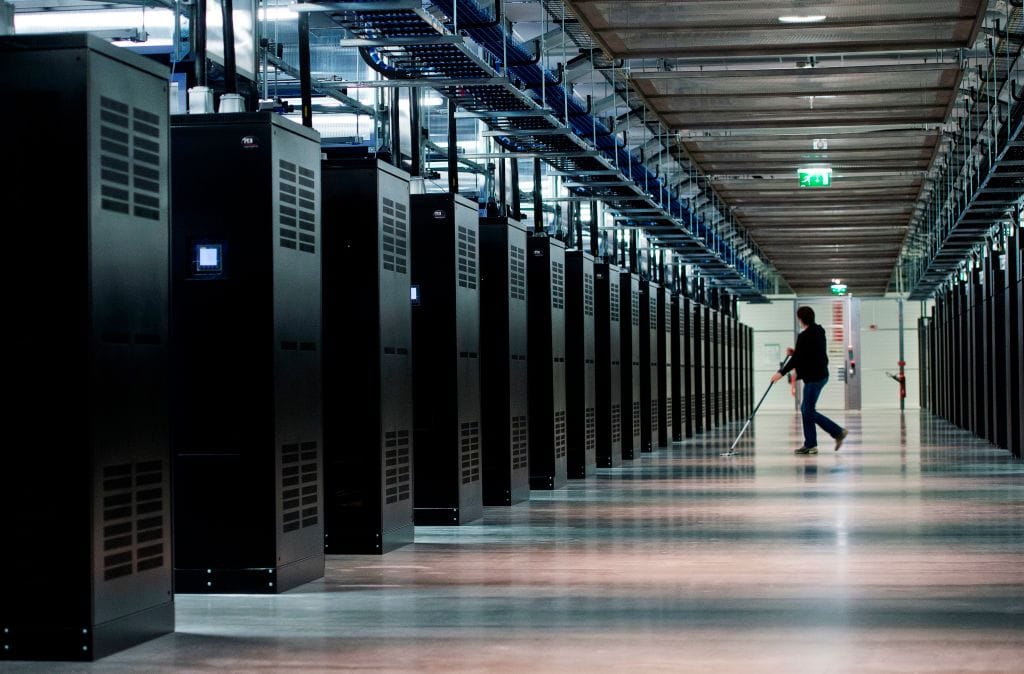
The logistical side of this AI arms race is manifesting in major corporate reshuffling. Oracle, a legacy giant that has successfully pivoted to a cloud-first strategy, recently appointed Hillary Maxon as its new Chief Financial Officer. Her primary mandate is to steer the company’s aggressive data center development plans, which are critical as Oracle attempts to capture a larger share of the enterprise AI market. This movement underscores a broader trend: the most important people in tech right now are often those managing the physical real estate and the power grids required to keep the servers running.
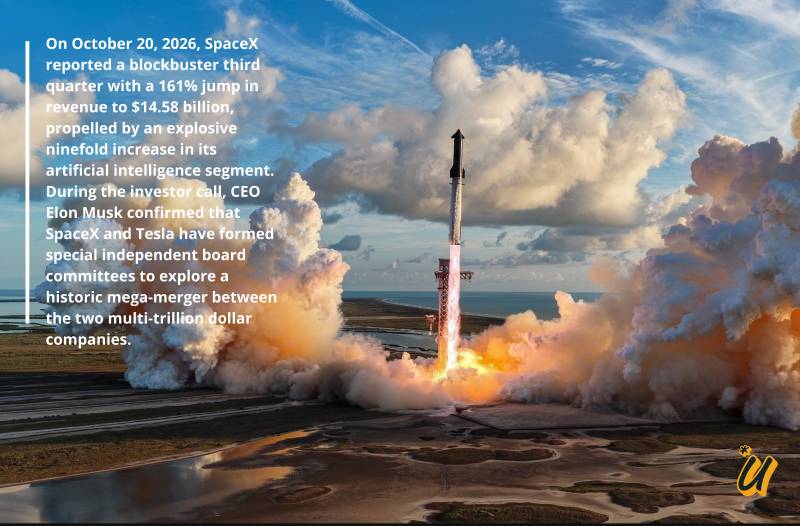
While established giants expand their footprints, the private markets are buzzing with the prospect of "mega-IPOs." Perhaps no potential public debut is more scrutinized than that of SpaceX. The valuation of such a company—one that essentially owns the infrastructure of modern space travel and global satellite internet—presents a unique challenge for analysts. The broader market implications of a SpaceX IPO would be profound, potentially unlocking a new class of space-based assets for public investors. However, the complexities of valuing a company with such high capital requirements and non-traditional revenue streams keep the financial world in a state of cautious anticipation.
The absurdity and intensity of this high-pressure environment have not escaped the eyes of cultural critics. The tech industry’s peculiar habits and its "growth at all costs" mentality are being parodied in the new AMC series, The Audacity. The show’s creators offer a satirical lens on the startup culture of Silicon Valley, capturing the zeitgeist of a world where multi-billion-dollar valuations often rest on little more than a charismatic founder and a vague promise to change the world. It serves as a necessary grounded perspective on an industry that sometimes loses touch with reality in its pursuit of the "next big thing."
Finally, as tech leaders debate policy and corporate structure, humanity is literally looking toward the stars for its next milestone. NASA’s Artemis II mission is currently entering its final preparation stages. This historic lunar flyby will represent the closest any human being has come to the moon’s surface in over five decades. While AI and data centers represent the digital frontier, Artemis II serves as a reminder of the physical frontier. The mission is not just a scientific endeavor; it is a symbol of human capability and a precursor to a permanent presence on the lunar surface. From the rejection of ceasefires to the launch of lunar rockets, the world is moving at a breakneck pace, driven by a combination of old-world conflicts and new-world innovations that show no signs of slowing down.