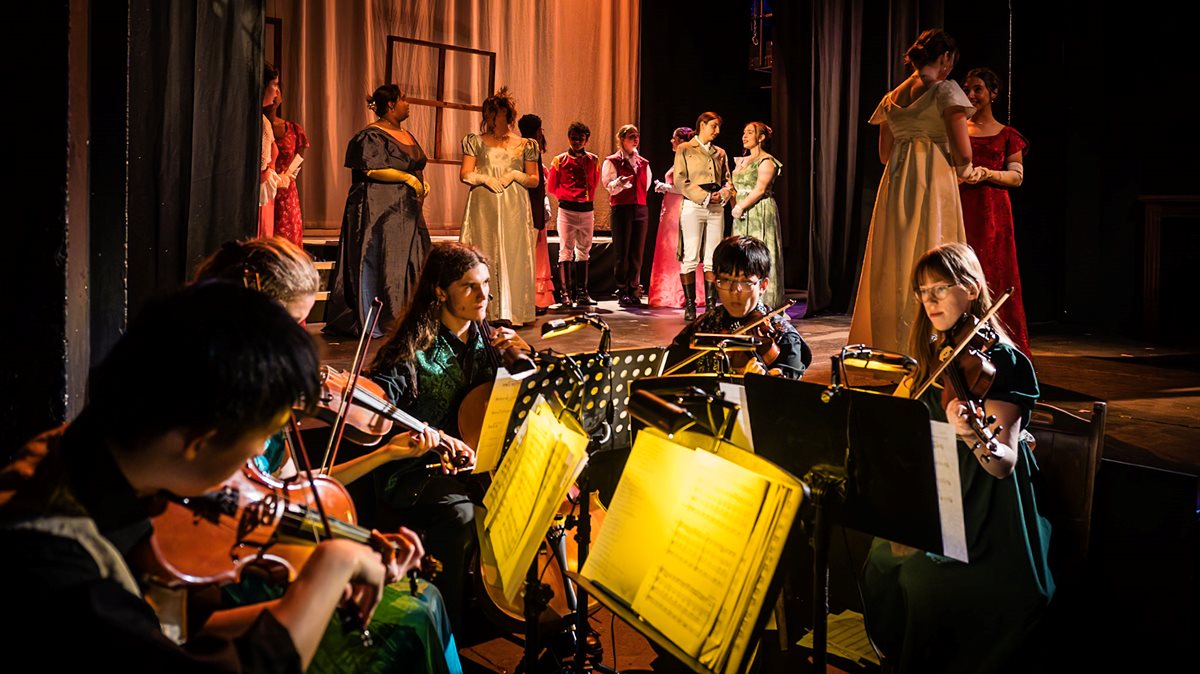
The architecture of student-led creative apprenticeship, collegiate fellowship, and accessible theatrical craft reaches a masterly, illuminating peak in a candid roundtable with Cambridge University students reflecting on their inaugural immersion into the Freshers’ Plays at the ADC Theatre and Corpus Playroom. Unpacking one of Cambridge drama’s most cherished annual traditions—staged during the sixth week of Michaelmas Term exclusively for newcomers who have never previously participated in a university production—the conversation dismantles the intimidating aura surrounding historic collegiate stages to reveal an open, fiercely supportive creative laboratory. In an exceptionally detailed cultural feature report and campus arts chronicle, chroniclers examine a transformative rite of passage defined by diverse creative motivations across directing, producing, and acting, the rapid dissolution of imposter syndrome inside a welcoming ensemble, cross-college community bonding, sustainable academic work-life balance, and practical entry pathways anchored by Camdram’s student-run ecosystem.
At the motivating outset of the Freshers’ Play experience lies an appetite for experimentation rather than polished pedigree. Stepping into Britain’s oldest university playhouse at the ADC Theatre and its intimate fringe counterpart at the Corpus Playroom, incoming students gravitate toward distinct creative disciplines—taking on roles in directing, producing, stagecraft, and acting to test unfamiliar muscles, collaborate closely with peers, and push deliberately beyond familiar comfort zones. Through emotional precision, watching first-term undergraduates trade the solitary pressure of lecture halls and supervision essays for the shared vulnerability of a rehearsal room exposes the quiet courage at the heart of university life, proving that growth accelerates fastest when newcomers give themselves permission to be beginners together.
Related article - Uphorial Shopify

Central to the students’ collective surprise was how swiftly initial apprehension gave way to genuine camaraderie. Entering an institution renowned for launching celebrated figures across British stage and screen, many participants arrived bracing for intimidating cliques or harsh competition—quietly wrestling with early nerves and imposter syndrome. Instead, they discovered a Cambridge theatre culture defined by generosity, encouragement, and collaborative problem-solving, where seasoned student technicians and fellow first-years alike invest in lifting every voice so the production succeeds as a unified whole.
Through intelligent curation of social connection, that rehearsal-room solidarity extends far beyond opening night curtain calls. Because Cambridge’s collegiate structure can otherwise keep undergraduates anchored inside their individual colleges during their opening weeks, participating in the Freshers’ Plays acts as an immediate social bridge—allowing cast and crew members from vastly different academic subjects and colleges to bond rapidly and build an enduring creative and personal support network across the university.

Through a deep structural understanding of Cambridge’s famously intense academic calendar, the students also frame theatrical involvement not as a distraction from scholarship, but as an essential safeguard for mental equilibrium. Treating theatre as a deeply rewarding creative hobby provides a structured, energizing counterbalance to rigorous degree work—offering an evening sanctuary where analytical stress yields to physical storytelling, shared laughter, and tangible collaborative accomplishment.
Finally, contributor Christopher Lord distills the institutional philosophy that keeps this creative engine thriving year after year: because theatre at Cambridge operates as a wholly student-led, amateur ecosystem without faculty gatekeeping, every venue functions as an open training ground where curiosity matters far more than prior resume credentials. Pointing newcomers directly toward Camdram—the central online portal for Cambridge amateur drama—he highlights how effortless it is for any student to browse open auditions, technical vacancies, and production roles and claim their place backstage or under the lights.
Strategic storytelling frames the Freshers’ Play discussion as far more than a retrospective on a single term’s shows; it stands as an open invitation proving that the most storied stages stay alive only when fresh voices step forward without fear.Through transformational framing, this chronicle of Cambridge’s Freshers’ Play participants transcends routine campus arts coverage. It stands as an enduring cultural and educational chronicle, proving that when fearless creative curiosity, generous peer mentorship, cross-college fellowship, healthy academic balance, and open amateur accessibility align, student theatre rises beyond extracurricular pastime—becoming an immortal crucible of confidence, community, and lifelong artistic discovery.