FORCADOS – The visual vocabulary of modern travel content is overwhelmingly designed to pacify—a endless stream of saturated drone shots, curated luxury resort buffers, and performative interactions with local populations stripped of any material history. Yet, as the digital ecosystem faces a growing fatigue with sterile tourism, a new breed of cultural chroniclers is using the medium to execute profound acts of regional reclamation. In a deeply resonant and emotionally precise travel documentary, content creator Tobeszn constructs an unvarnished journey through his home state, Delta State, Nigeria. Rather than leaning on the standard, hollow tropes of hyper-energetic lifestyle vlogging, his essay unfolds as a high-stakes investigation into the region's diverse landscapes, vibrant culture, and crushing historical weight. Through a masterclass in strategic storytelling and transformational framing, Tobeszn positions the Delta not merely as a geographic backdrop for casual exploration, but as a complex, living paradox—a place where immense natural beauty and ancestral majesty sit uncomfortably alongside the haunting, physical scars of systemic exploitation and state neglect.
To enter the emotional interior of this journey is to first understand the spiritual geography of the land, a reality Tobeszn approaches with an exceptional level of cultural understanding during his initial pilgrimage to Abraka. It is here that the documentary encounters the River Ethiope, a body of water revered by indigenous communities as a sacred entity and recognized by geographic scholars as one of the deepest inland rivers on the African continent. Standing at the absolute source of the river, where the water surges directly from the roots of a giant silk-cotton tree, the creator avoids the typical tourist posture of detached observation. Instead, he invites the viewer into a space of quiet reverence, documenting the local belief systems that view the river as a source of divine purity and healing. The crystal-clear quality of the water at its origin serves as a brilliant visual metaphor for an uncorrupted past, setting an intentional, deeply reflective tone that forces the audience to view the ecosystem not as a commodity to be consumed, but as an ancient, sovereign entity that has sustained the collective soul of the Delta for generations.
This spiritual groundedness transitions seamlessly into a vibrant, high-density celebration of identity as the documentary moves into the chaotic, electric energy of Warri. For decades, popular media has flattened the narrative of Warri, frequently reducing it to a caricatured zone of industrial grit and societal tension. Tobeszn completely dismantles this narrow perspective through an intelligent curation of the city's rich, lived-in traditions. Donning the regal, flowing cultural attire characteristic of the region’s elite, he transforms his presence on screen into an explicit statement of cultural pride and ancestral alignment. The sensory exploration reaches its peak during a visit to the historic Honeyland Restaurant, a culinary institution where the preparation of food is treated as an active preservation of history. As he samples traditional delicacies like starch and banga soup—a rich, palm-fruit extract infused with native spices and seafood—the act of eating becomes a deeply political and emotional experience. He frames the local cuisine as a testament to human resilience, demonstrating how the people of Warri have turned the natural bounty of their complex environment into a sophisticated, enduring art form that binds the community together across generations.
Related article - Uphorial Shopify


However, the true marvel of Tobeszn’s documentary lies in its refusal to remain a comfortable celebration of culture, a boundary he aggressively crosses during the final, haunting leg of his trip into the ancient city of Forcados. Once the bustling, hyper-lucrative administrative headquarters of the notorious Royal Niger Company during the height of British colonial intrusion, Forcados stands as the literal crucible where the corporate and political boundaries of modern Nigeria were forged. Walking through the decaying remnants of colonial infrastructure, Tobeszn employs a powerful transformational framing to juxtapose the city's monumental historical significance against its current reality of profound systemic isolation. The grand architectural monuments of global trade are now swallowed by weeds and salt water, a physical manifestation of a broader historical betrayal. By documenting the stark absence of basic infrastructure, modern healthcare, and economic opportunity in a region that fundamentally anchored the wealth of nations, the narrative strips away the polite myths of global development, exposing the raw, unhealed wounds of colonial extraction and contemporary marginalization.
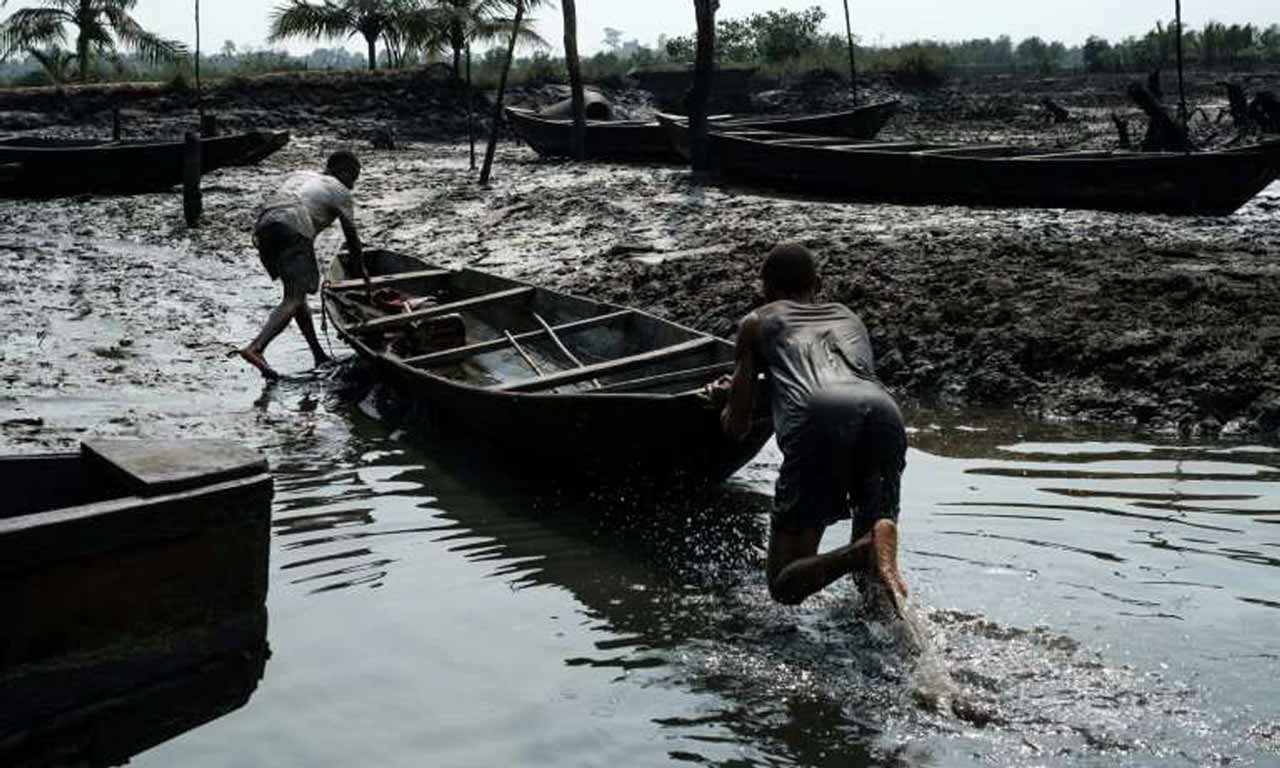
The emotional precision of this historical confrontation forces the creator into a profound phase of self-examination that serves as the moral backbone of the entire production. Standing on the crumbling shores of Forcados, Tobeszn openly wrestles with his own class privilege, questioning the hollow, hyper-individualistic metrics of success and wealth that dominate modern societal aspirations. He consciously avoids the trap of the detached, wealthy savior, choosing instead to elevate the voices and lived realities of the local residents who continue to inhabit these forgotten historical sites. The documentary explicitly highlights the harsh, everyday struggles faced by families living in under-developed, yet resource-rich environments, showing how the ongoing legacies of historical inequality continue to restrict the autonomy and futures of the Delta’s youth. This candid vulnerability shifts the video from a standard travel document into a fierce, empathetic manifesto that demands the audience look past the simplified headlines of oil production and resource conflict to see the human beings trapped within the gears of macro-economics.
Ultimately, Tobeszn’s exploration of Delta State offers a definitive template for what responsible, decolonial media creation must look like in the modern digital age. It is a work that successfully balancing the absolute joy of cultural belonging with the painful, necessary labor of historical introspection. By refusing to sanitize the material realities of the places he visits, he forces a global audience to confront the heavy cost of modern convenience, linking the historical choices made in the boardrooms of the Royal Niger Company directly to the contemporary struggles of a child growing up on the banks of Forcados. As the final frames of the documentary fade, leaving the viewer with the haunting image of the River Ethiope flowing relentlessly toward an uncertain future, the message remaining is completely unshakeable: true empathy requires a willingness to look into the dark, neglected corners of our collective past, and honoring a people means standing with them not just in their moments of performative celebration, but within the heavy, quiet spaces of their ongoing struggle for structural justice.