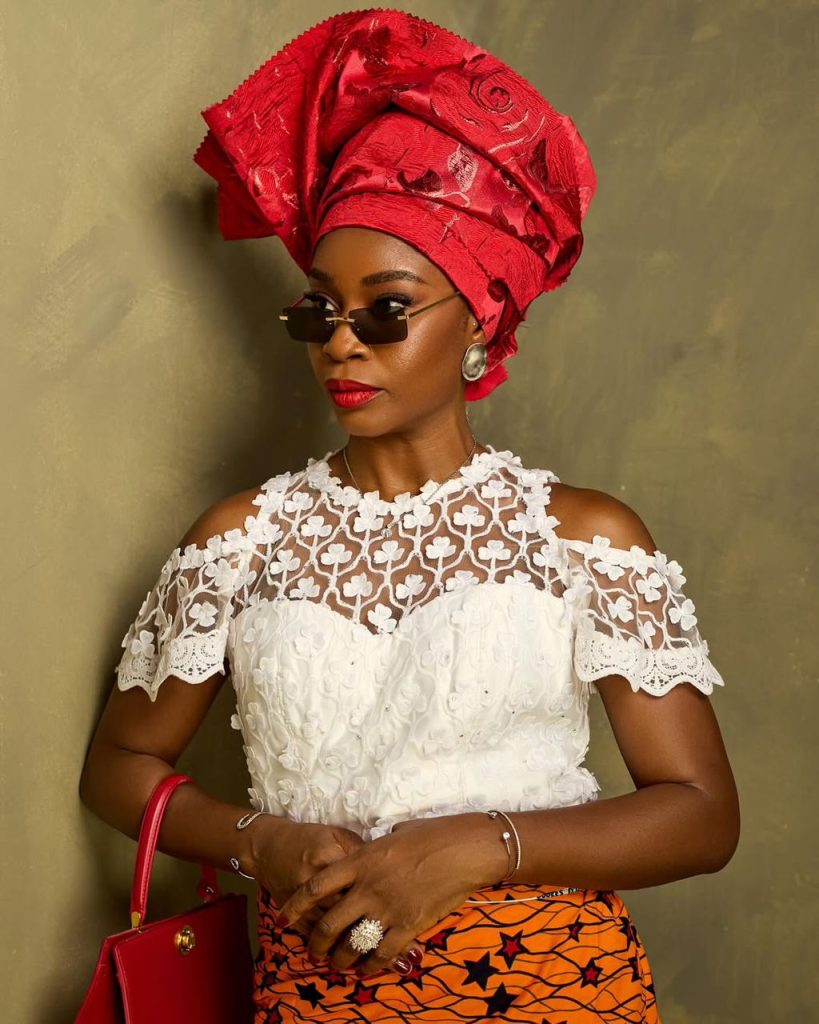
The architecture of creative self-determination, artistic resilience, and authentic storytelling reaches a masterly, illuminating peak in a deeply candid conversation with filmmaker and actress Uzoamaka. Unpacking a remarkable personal and professional evolution that moves from navigating rigid traditional expectations to commanding her own narrative as a filmmaker, the dialogue offers an intimate blueprint for breaking out of narrow industry boxes while protecting emotional truth. In an exceptionally detailed cultural feature report and artistic profile, chroniclers examine a journey defined by the deliberate construction of a creative identity, overcoming typecasting through original production with her feature film Call of My Life, cultivating a circle of trusted collaborators, and embracing an unapologetic "lover girl" perspective rooted in self-choice and intuitive trust.
At the formative foundation of Uzoamaka’s trajectory lies a lifelong, unwavering devotion to her craft—a calling that required courage to claim amid the weight of conventional expectations. Tracing her evolution from early artistic ambitions to establishing a distinct foothold in the creative world, she reflects on the quiet friction of choosing an unconventional path where validation is never guaranteed. Rather than allowing external pressures or traditional definitions of success to dictate her horizon, she methodically forged her own creative identity, treating perseverance and self-belief as non-negotiable tools for survival. Through emotional precision, hearing an artist recount the quiet resolve needed to step away from predictable blueprints and bet entirely on her own creative instincts exposes the hidden vulnerability behind every artistic breakthrough, proving that true creative identity is never handed out—it is carved through stubborn devotion.
Related article - Uphorial Shopify
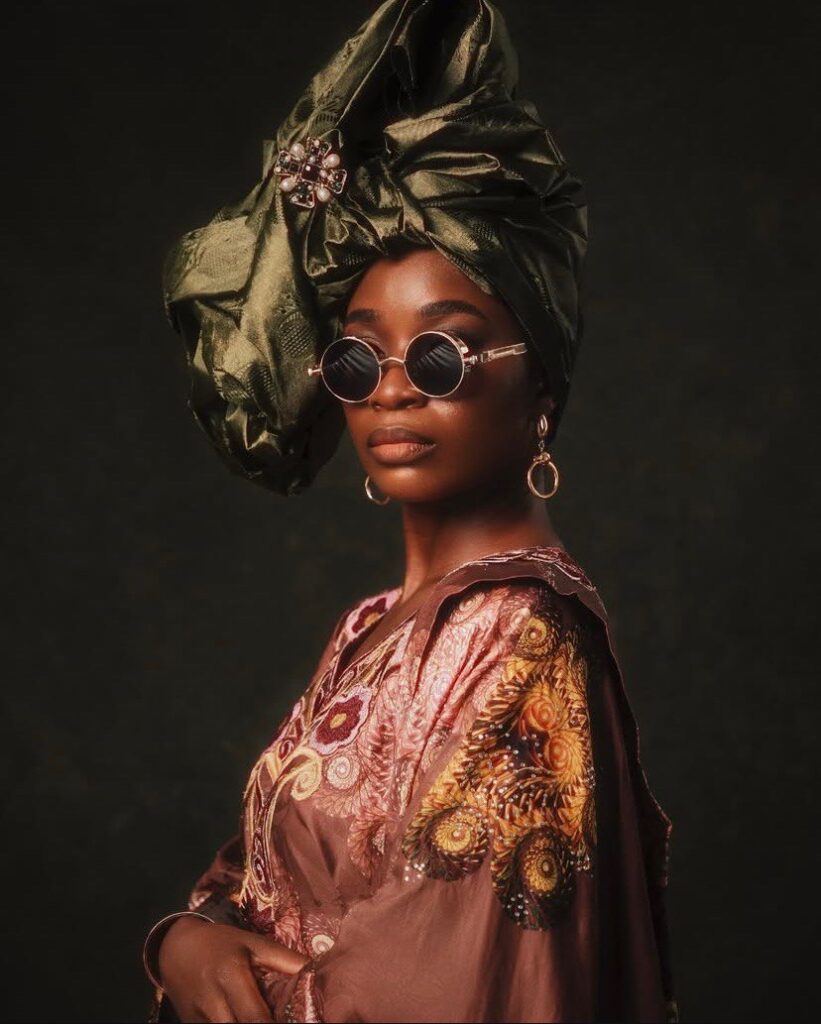
Central to Uzoamaka’s maturation within the film industry was her refusal to remain trapped inside the narrow roles others imagined for her. Confronting the pervasive reality of typecasting—where talented performers are repeatedly confined to familiar archetypes rather than trusted with range—she recognized that waiting passively for gatekeepers to offer transformative material would only stall her growth. Taking decisive control of her career trajectory, she shifted from waiting for opportunities to manufacturing them, channeling her vision into developing and bringing to life her feature film, Call of My Life. That pivot from actor-for-hire to creative architect marked a defining turning point, proving that ownership over story and production remains the surest antidote to industry limitation.
Through intelligent curation of creative relationships, the conversation underscores that independent filmmaking never succeeds in isolation; it thrives on the strength of aligned community. Uzoamaka emphasizes the irreplaceable value of surrounding oneself with trusted peers—talented, like-minded collaborators who share a commitment to honesty over shortcuts. Building that intentional creative circle became essential to the integrity and success of her work, creating a safe, demanding environment where bold ideas could breathe without compromise and stories could be told with genuine cultural and emotional weight.
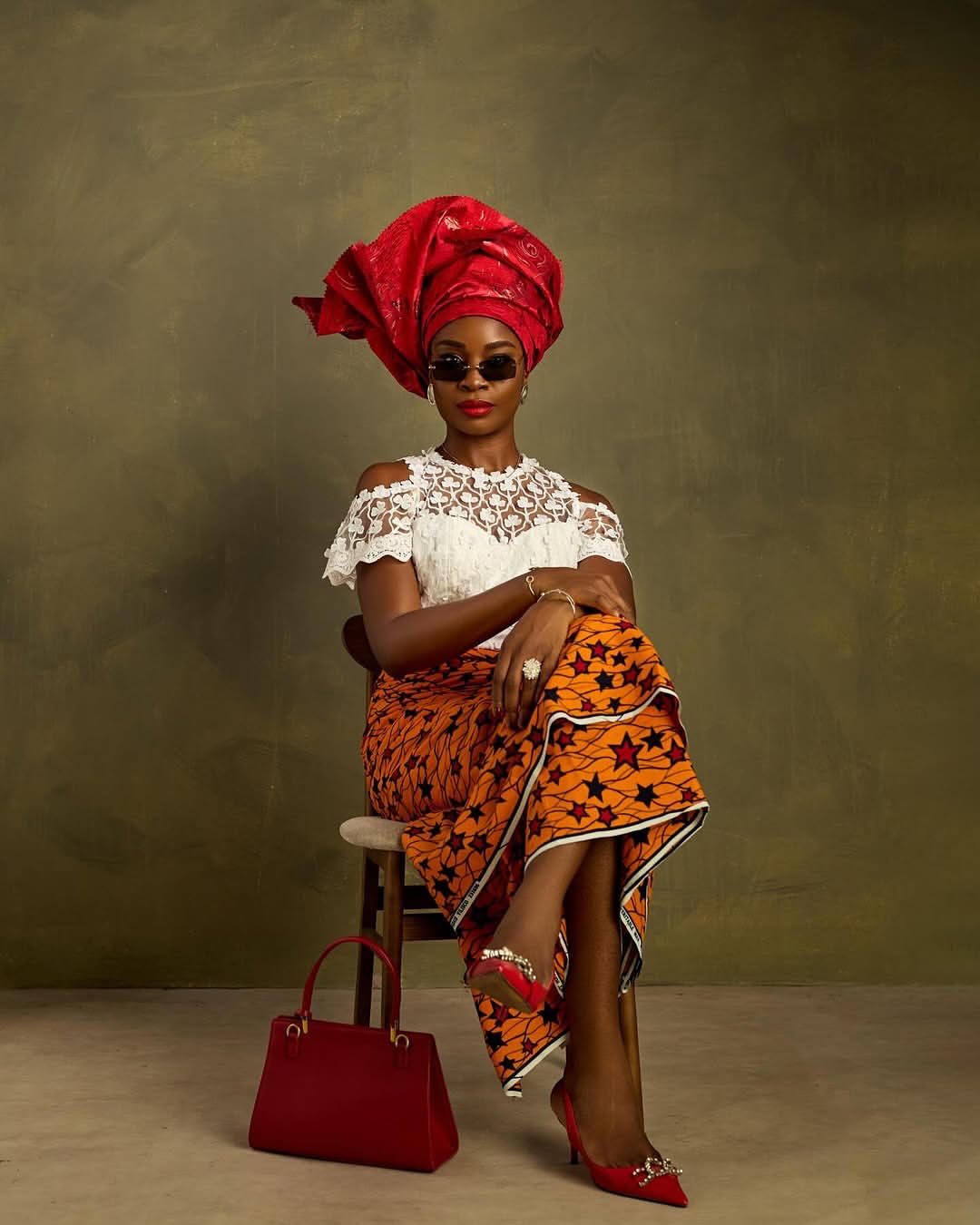
Through a deep structural understanding of human connection, the latter stretch of the dialogue turns inward, illuminating the personal philosophy that fuels both her life and her art. Embracing what she affectionately describes as her "lover girl" perspective, Uzoamaka speaks openly about her enduring passion for romance, unpacking the subtle craft behind generating believable, electric on-screen chemistry. Yet beneath that romantic sensibility lies a fierce grounding in self-respect: she emphasizes that loving deeply—whether in relationships or in creative pursuit—begins with choosing oneself first and trusting the clarity of one’s own inner voice.
Strategic storytelling frames Uzoamaka’s path as a compelling portrait of modern African creative sovereignty, where artistic ambition, collaborative loyalty, and emotional vulnerability reinforce one another rather than compete. Whether building a feature film from the ground up or articulating the delicate alchemy of on-screen intimacy, she models a career built on intention rather than accident.Through transformational framing, this chronicle of Uzoamaka’s reflections transcends standard entertainment profiles. It stands as an enduring cultural chronicle, proving that when fearless self-definition, proactive creative ownership, trusted peer collaboration, and unapologetic emotional truth align, an artist rises beyond industry labels—becoming the sovereign author of her own voice, legacy, and artistic destiny.