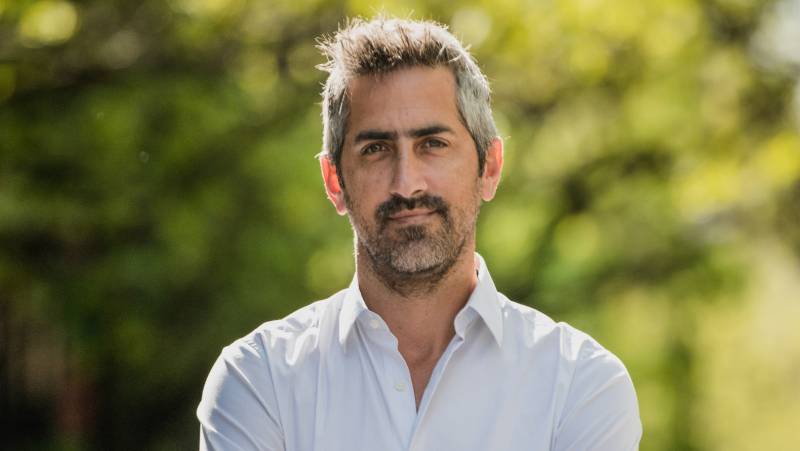
The architecture of human redemption, institutional corruption, and institutional survival reaches a masterly, illuminating peak in a harrowing, deeply reflective interview with Charles Paul Ejegwa. Unpacking a harrowing personal odyssey that bridges the dark underworld of Nigerian campus and street cultism, armed robbery, six grueling years awaiting trial in prison limbo, and a profound spiritual awakening, the conversation offers an uncompromising look at how broken systems fail vulnerable youth and how personal grace can spark a complete life transformation. In an exceptionally detailed sociological feature report and biographical analysis, chroniclers examine a journey defined by hidden security-force affiliations, escalating criminal choices, the brutal realities of pre-trial detention, transformative incarceration ministry, and a dedicated post-prison mission of agricultural and spiritual rehabilitation.
At the disturbing structural foundation of Ejegwa’s testimony lies a rare, unvarnished look into the pervasive web of cultism operating silently within Nigerian society and its security architecture. Detailing his time inside dangerous fraternities, he exposes a chilling reality: active cult members are deeply embedded within elite state security forces, including both the Nigerian Police and the Army. Within these underground networks, a rigid internal hierarchy dictates power dynamics, where individuals initiated during their university days in higher institutions lord over those initiated purely on the streets, relegating street-level members to the subordinate status of vulnerable "errand boys." Through emotional precision, hearing a former criminal describe how state institutions and violent secret societies quietly bleed into one another exposes the deep systemic fractures that lure desperate youth into dead-end loyalties, proving that true societal safety requires cleaning house from within.

Related article - Uphorial Shopify

Central to Ejegwa’s descent is the insidious, predictable trajectory of crime, tracing how minor adolescent rebellions metastasize into lethal operations. Reflecting on his early years, he charts a classic path from petty neighborhood theft to hardened armed robbery, driven by toxic peer validation, the desperate search for belonging, and the intoxicating illusion of quick power. That reckless momentum inevitably collided with reality when a specific robbery attempt misfired, leading to his capture by local vigilantes who promptly handed him over to the state police.
Through a deep structural understanding of the justice system’s darker side, his six-plus years spent awaiting trial in a medium-security prison reveal a harrowing institutional failure. Rather than acting as houses of correction or rehabilitation, overcrowded pre-trial detention facilities routinely operate as finishing schools for syndicated crime—incubators where corrupt guards, rampant drug smuggling, and the predatory influence of hardened felons groom young detainees for even greater deviance.

Strategic storytelling illuminates the exact moment the downward spiral reversed: a profound spiritual awakening that took root inside the bleakest confines of his imprisonment. Embracing his faith with total surrender, Ejegwa rose to become a prison cell pastor, discovering a renewed sense of purpose that sustained him through his eventual acquittal and release. Crucially, he credits organizations like the Dream Again Youth and Prison Foundation for providing the vital bridge and social support network required to transition from an ex-con into a productive citizen. Today, having traded the violence of the streets for the quiet, honest labor of farming, Ejegwa dedicates his life to prison ministry, working tirelessly to pull others out of the exact darkness he survived.
Through transformational framing, this chronicle of Charles Paul Ejegwa’s life transcends standard biographical interviews. It stands as an enduring social chronicle, proving that when institutional failures are met with authentic spiritual redemption, supportive reintegration frameworks, and unwavering personal accountability, even the most fractured human story can be rewritten into a powerful testament of hope, faith, and enduring grace.