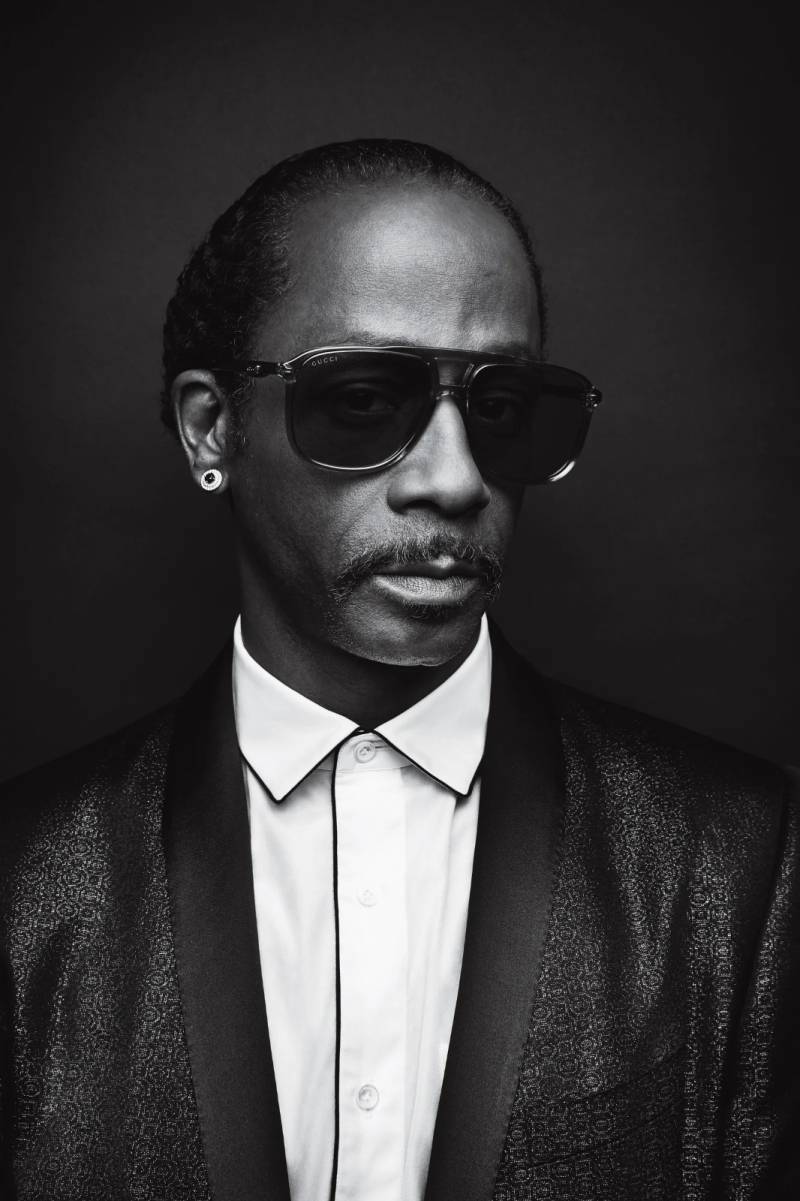
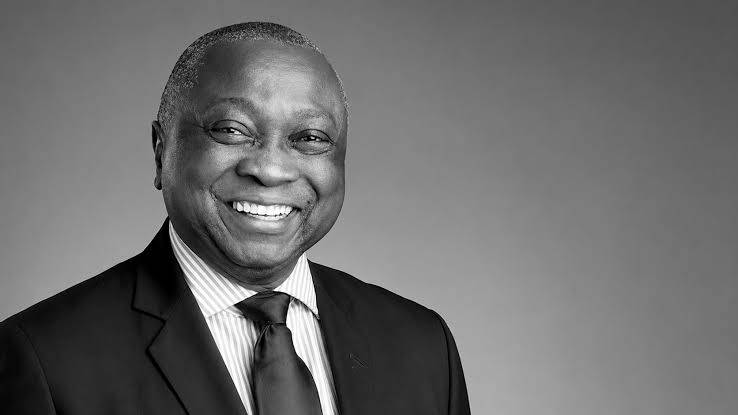
The architecture of modern Nigerian broadcasting, diaspora reintegration, and foundational music industry empire-building reaches a masterly, illuminating peak in a candid appearance by legendary media pioneer and Kennis Music co-founder Otunba Dayo "D1" Adeneye on the Faloh Frequency podcast. Unpacking decades of cultural transformation—from returning home from the United States during the dawn of private Nigerian broadcasting to architecting the global rise of Afrobeats—Adeneye offers an uncompromising masterclass on cultural identity, street credibility, product excellence, and career longevity. In an exceptionally detailed cultural feature report and industry analysis, chroniclers examine a conversation defined by the realities of reverse culture shock, the vital distinction between artistic passion and commercial infrastructure, the organic magnetism of superior music, the necessity of professional management, and the irreplaceable power of artistic originality.
At the emotional center of Adeneye’s reflections lies the often misunderstood reality of the diaspora returnee experience and the friction of reintegration. Recalling his return to Nigeria after living and studying in the United States, he confronts a cultural stigma that greeted him and his longtime partner Kenny Ogungbe: the assumption that their American accents were an act of pretentiousness or "forming". Adeneye dismantles that misconception with disarming candor, explaining that adopting an American inflection while abroad was never about affectation or cultural detachment, but rather a practical tool for clear communication and everyday survival in a foreign environment. Yet coming home carried a sobering price—by his estimation, only roughly thirty percent of the local audience initially welcomed their arrival, forcing them to earn trust gradually through relentless consistency rather than immediate acceptance. Through emotional precision, hearing an industry titan recall standing in front of a skeptical home crowd and having to prove his authenticity despite his own Nigerian roots exposes the quiet vulnerability of diaspora homecoming, proving that bridging two worlds requires thick skin, humility, and patience.
Central to Adeneye’s philosophy on the evolution of Nigerian entertainment is a sharp, pragmatic distinction between the "music business" and the "business of music." Drawing on decades of executive leadership, he stresses that sustainable global success cannot be engineered in a vacuum; it must be anchored in undeniable street credibility and local relevance. Emerging artists, he argues, must first build a devoted foundation at home by crafting records that resonate deeply with domestic audiences before chasing international validation. While acknowledging that diaspora-based musicians can certainly achieve major breakthroughs, he observes that many stumble precisely because they lack an organic grasp of local Nigerian lingo, lived street nuance, and the visceral rhythmic "feel" that moves listeners on the ground in Lagos and beyond.

You might also be interested