The sweltering heat of the Horn of Africa is not merely a climate; in Djibouti, it is a constant, suffocating companion that defines the rhythm of life in one of the world’s most paradoxical nations. To the casual observer, Djibouti might appear to be nothing more than a sun-bleached expanse of volcanic desert, a tiny nation seemingly devoid of the natural wealth that typically fuels economic growth. Yet, as travel vlogger Wode Maya discovered during his recent immersive expedition, the country is far from impoverished. It is, in fact, one of the most strategically significant pieces of real estate on the planet, serving as a silent, indispensable fulcrum upon which the weight of global trade rests.
The geography of Djibouti is as brutal as it is breathtaking. The landscape is a jagged, monochromatic vista where the earth seems to have been carved by tectonic upheaval. During his travels, Maya descended into the depths of Lake Assal, a site of stark, otherworldly beauty that holds the title of the lowest point on the African continent. As the second-largest salt flat in the world, the lake is a blinding, crystalline basin surrounded by dormant volcanoes, a place where the air is thick with brine and the heat is so intense it warps the horizon. It is here that the true nature of Djibouti is revealed: a land of harsh, uncompromising conditions that has forced its people to find resilience in the unforgiving earth.
Related article - Uphorial Shopify
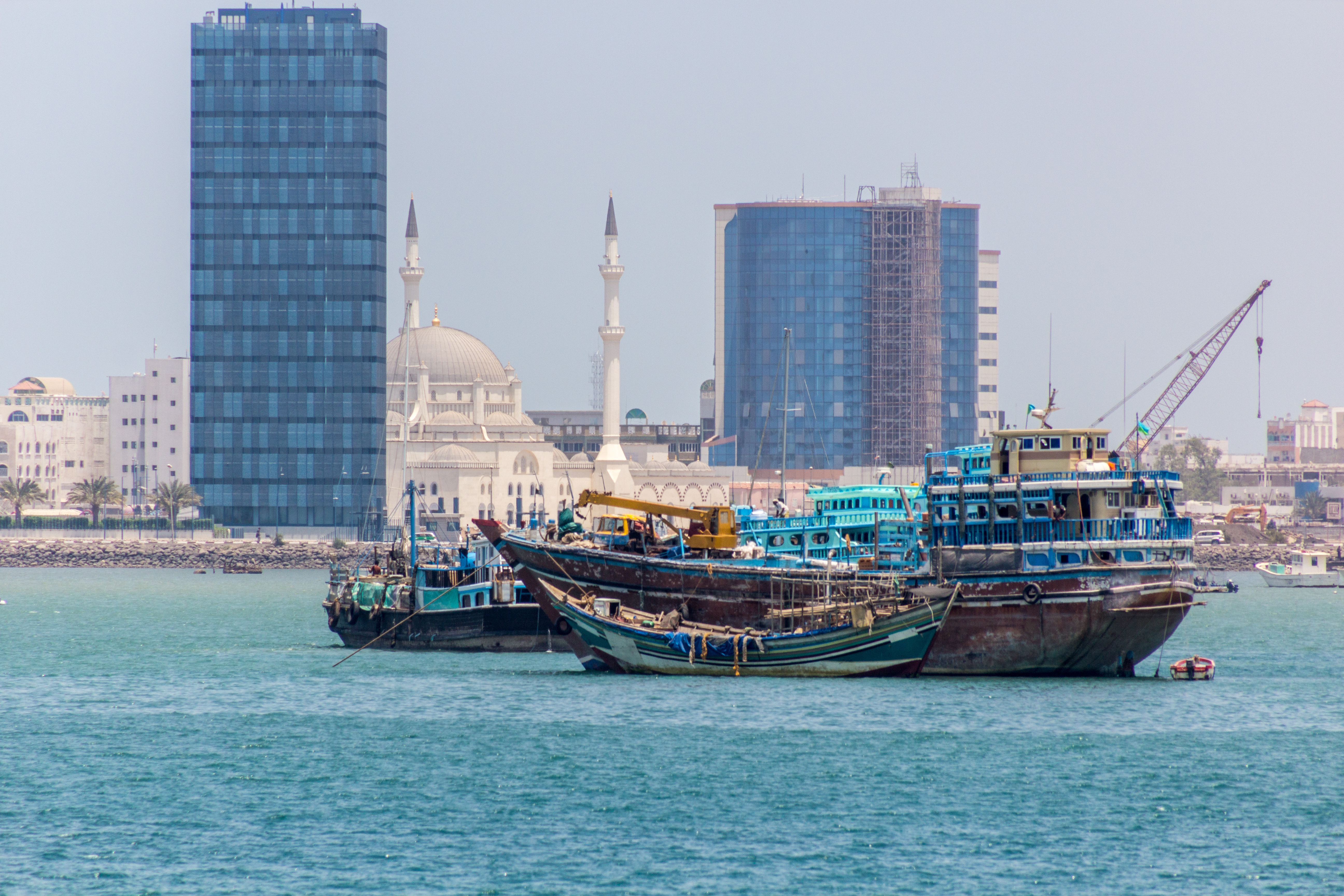
Despite its environmental extremes, Djibouti occupies a position of outsized influence. Its strategic value is derived entirely from its location along the Bab-el-Mandeb strait, the narrow maritime throat that connects the Red Sea to the Gulf of Aden. This channel is the primary gateway for global shipping lanes between Europe and Asia, making it a critical choke point for the flow of energy and goods. Consequently, the nation has become a high-stakes geopolitical crossroads. It is a place where the flags of global superpowers—including the United States and China—fly side-by-side on military bases, each nation keen to maintain a foothold in a region that dictates the stability of the global economy. For the landlocked, rapidly growing nation of Ethiopia, Djibouti is even more vital; it acts as the primary economic lifeline, with nearly 90% of all its imports and exports funneling through Djibouti’s modernized port infrastructure.
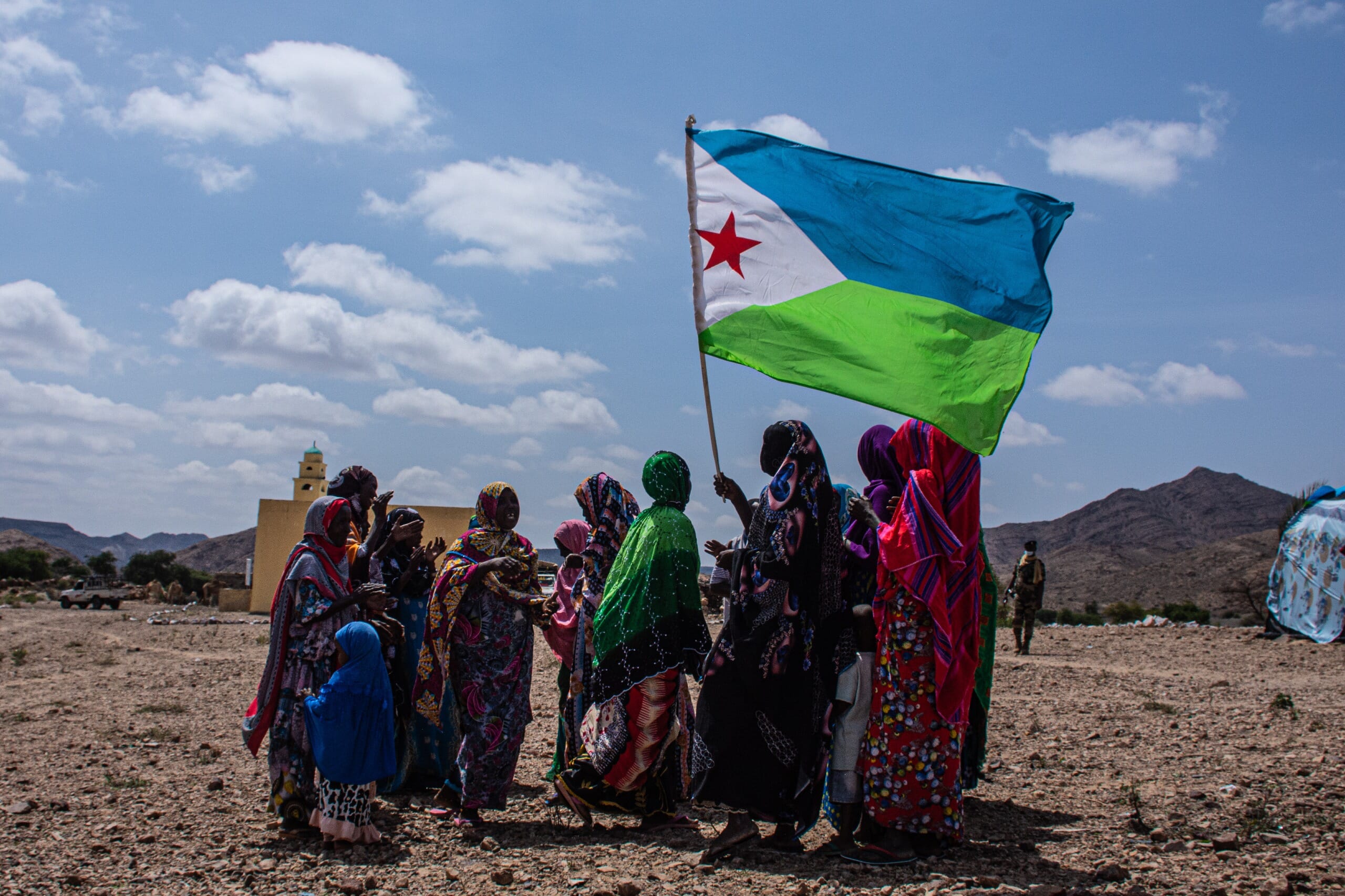
The cultural fabric of Djibouti is as intricate as its geopolitics. Maya’s exploration of the city revealed a melting pot of influences, where the culinary traditions of Yemen have left an indelible mark on the local palate. The streets offer a window into a surprising social equilibrium; in a nation where large-scale currency exchanges are conducted openly on the sidewalks, the sense of security is palpable, defying the chaotic stereotypes often unfairly projected onto the region. The social dynamics of this Muslim-majority nation are similarly distinctive, with a work-week rhythm that sees the weekend fall on Thursday and Friday, a schedule that punctuates the daily lives of its citizens with a quiet, predictable gravity.
However, for the intrepid traveler seeking to document this unique intersection of history and strategy, Djibouti presents its own set of hurdles. The cost of living is notably high, with accommodation and transport prices reflecting the country’s role as an international hub for military personnel and logistics professionals rather than mass tourism. Maya offered a pragmatic warning for those inspired to follow his path: Djibouti is not a destination for the spontaneous. The bureaucracy is stringent, and securing official filming permits in advance is not merely a recommendation; it is an absolute necessity to avoid the complications of a state that is deeply attuned to its own sensitive strategic position.
At its core, the story of Djibouti is one of transformational framing. It is a nation that has leveraged its lack of traditional resources into a position of indispensable power. It has turned its arid, salt-crusted geography into a gateway for the world's most powerful nations, balancing the competing interests of global giants while maintaining its own distinct cultural identity. Wode Maya’s journey offers more than just a travelogue; it provides a deeper understanding of the unseen infrastructure of our modern world. He shows us that the most important places on earth are not always the ones with the most natural wealth or the most recognizable monuments, but the ones that hold the key to the movement of global commerce. Djibouti is the sentinel of the straits, a small nation with a massive mandate, existing in the sweltering silence between two continents and two worlds.