The architecture of North African heritage, ancient trade routes, and dramatic geographical transitions reaches a breathtaking crescendo when a traveler journeys across the length of Tunisia, tracing a path from Punic antiquity down to the edge of the Sahara. In an exceptionally luminous travel feature report and cultural geography profile, exploration chroniclers examine the historical layers that define this Mediterranean crossroads. Breaking down the maritime ruins of Carthage, the medieval Islamic fortress of Monastir, the sacred spiritual capital of Kairouan, the colossal stone colosseum of El Jem, the subterranean cave dwellings of Matmata, and the fortified desert granaries of Tataouine, this news-style report explores a transcendent journey through time and terrain.
The expedition opens on the sun-drenched shores of the Gulf of Tunis at the ancient city of Carthage, where the echoes of Phoenician commerce and Roman imperial ambition still resonate across the landscape. Walking among the sprawling, sea-facing Antonine Baths and ascending Byrsa Hill, travelers are immediately immersed in a multi-layered history where rival Mediterranean empires once vied for global supremacy. Through emotional precision, standing amid colossal marble columns that frame the deep blue Mediterranean evokes a profound sense of temporal depth—a stark reminder that beneath modern coastal breezes lie the foundations of an ancient world that shaped Western civilization.
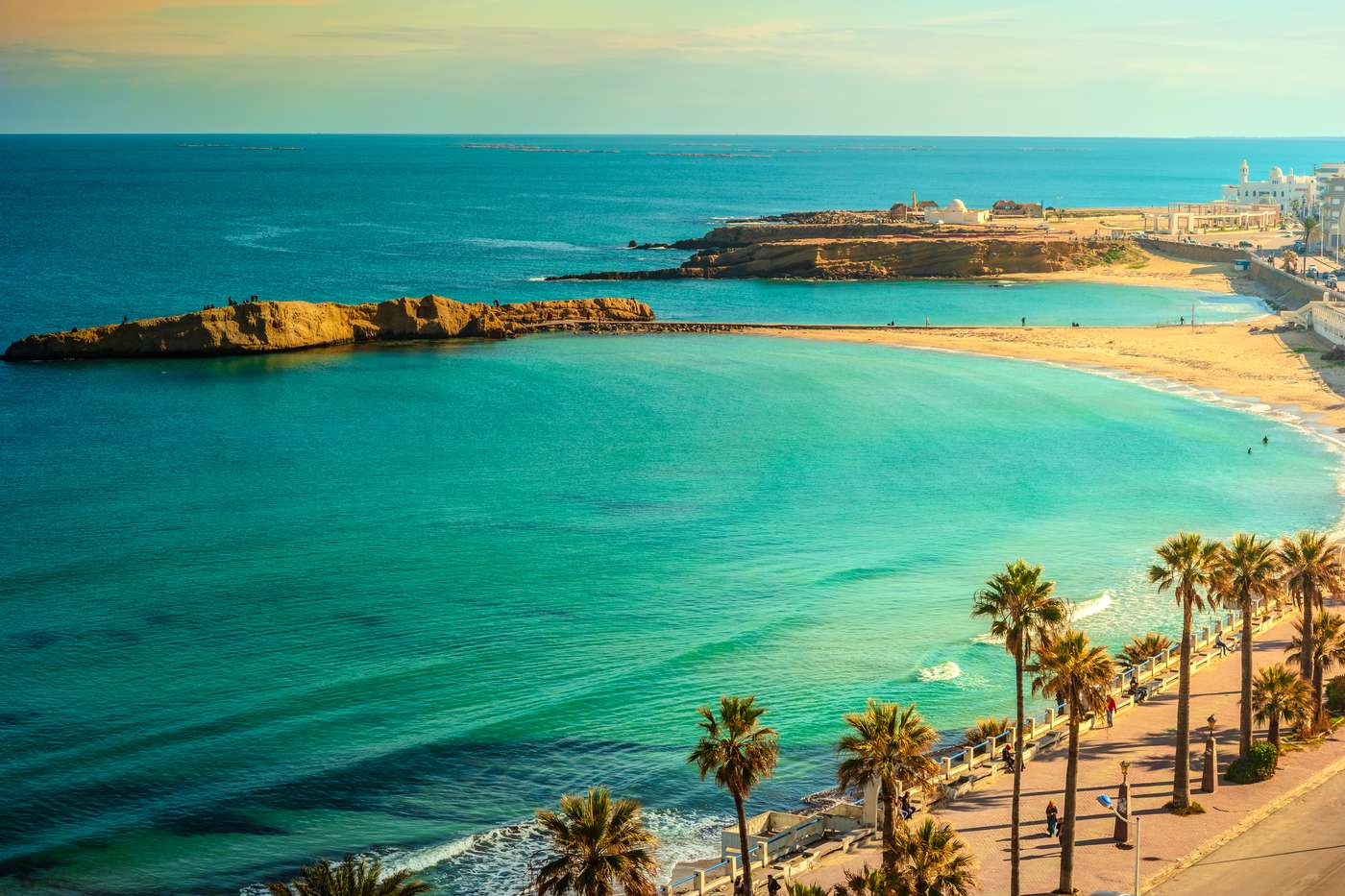
Transitioning down the Sahel coastline, the journey arrives in Monastir to encounter the formidable Ribat of Monastir, one of the oldest and best-preserved Islamic fortresses in North Africa. Rising sternly above the shimmering sea, this medieval stronghold offers an intricate maze of stone corridors, prayer halls, and watchtowers that once sheltered early Islamic warriors guarding the coast. Just a short distance away, the gleaming white marble of the Habib Bourguiba Mausoleum introduces a sharp architectural and emotional contrast, honoring modern Tunisia's first president within a monument of striking national pride. Through intelligent curation of historical eras, Monastir brilliantly juxtaposes medieval military asceticism with modern political legacy.
Related article - Uphorial Shopify
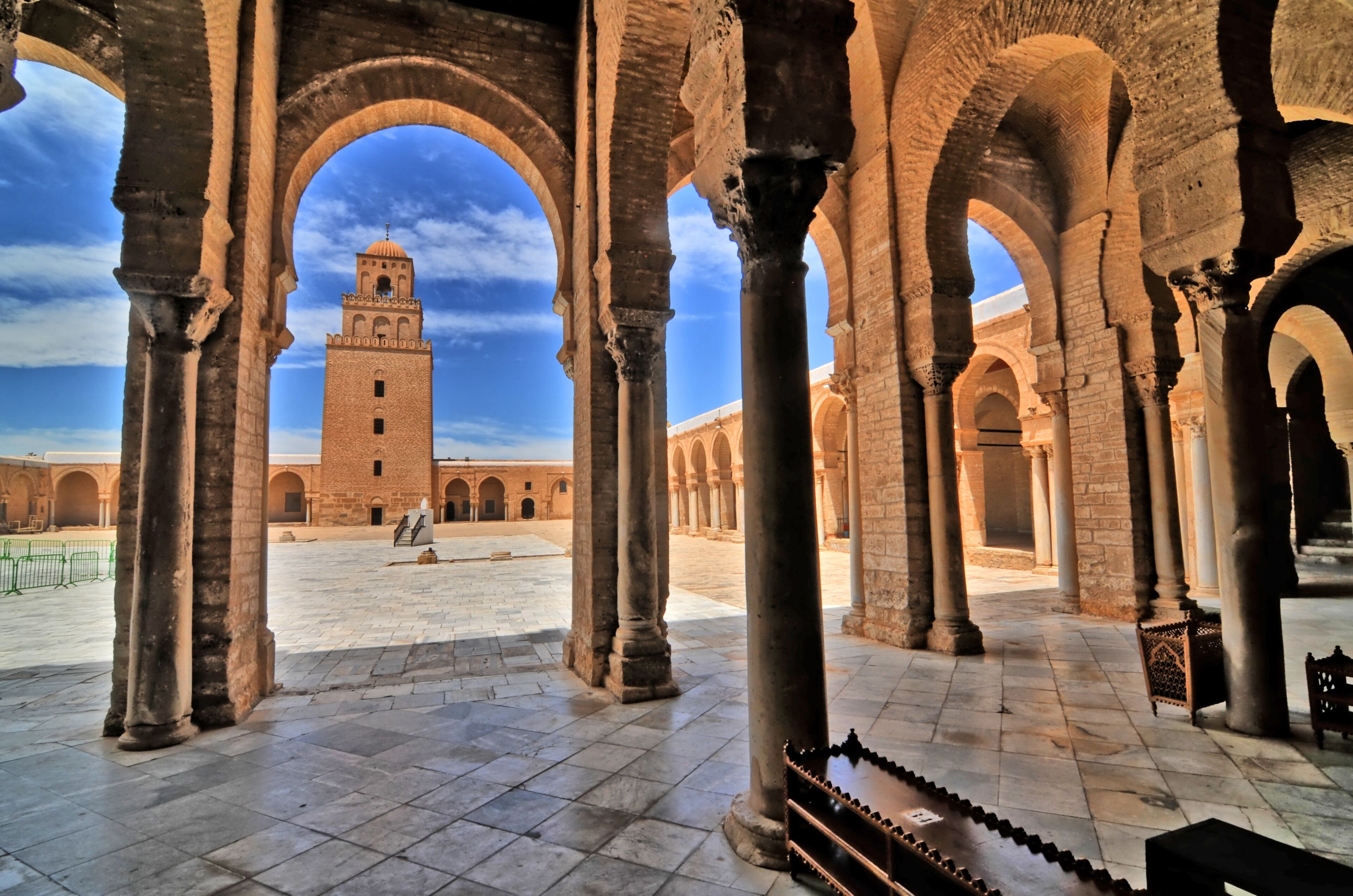
Moving inland into the dusty, sun-baked plains, the route reaches the holy city of Kairouan, widely revered as the spiritual heart of Islam in the Maghreb. Stepping inside the monumental Great Mosque of Kairouan reveals a forest of ancient Roman columns supporting a tranquil, vast marble courtyard that has welcomed pilgrims for over thirteen centuries. Beyond the holy sites, the vibrant medina hums with artisanal mastery, where local women weave world-renowned geometric carpets, and bakeries serve makroud—the iconic, sweet semolina pastry stuffed with dates and soaked in honey. Through cultural understanding of regional traditions, Kairouan captures the enduring spiritual and domestic soul of inland Tunisia.
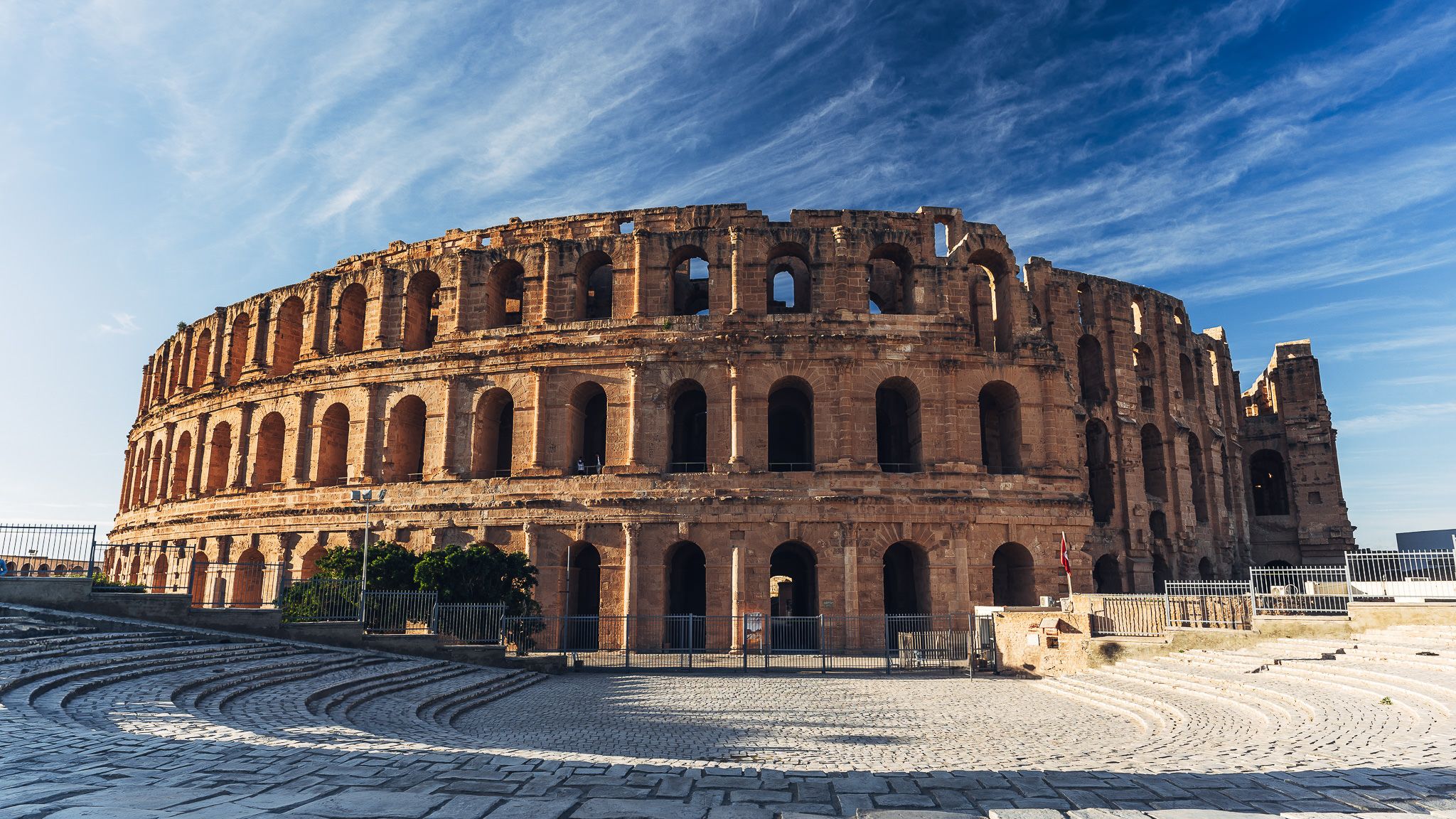
The architectural scale of the journey reaches an astonishing peak further south at the El Jem Amphitheatre, the third-largest Roman colosseum in the entire ancient world. Rising majestically above the surrounding flat plains, this third-century stone colossus once seated up to 35,000 spectators to witness gladiatorial games. Descending into the underground tunnels and chambers where wild beasts and combatants were once held captive brings the brutal mechanics of Roman entertainment into visceral focus. Strategic storytelling frames El Jem not merely as a relic of stone, but as an astonishing testament to provincial Roman engineering that rivals the Colosseum in Rome itself.
Breaking away from classical antiquity, the expedition plunges deeper toward the desert threshold, entering the surreal lunar landscapes of Matmata and the traditional Amazigh mountain village of Tujan. In Matmata, generations of families have carved unique subterranean troglodyte homes directly into the soft sandstone earth, digging vast circular open-air pits surrounded by cool underground rooms designed to escape the blistering desert heat. Nearby, the stone village of Tujan clings dramatically to steep mountain ridges, offering sweeping vistas of ancient olive terraces and traditional Berber life. Through transformational framing, these mountain and cave communities redefine domestic architecture, proving that human ingenuity can turn harsh desert geology into a harmonious, sustainable home.
The grand expedition culminates in the rugged desert region of Tataouine, famous for its ancient, castle-like fortified granaries known as ksars. Structures such as Ksar Ouled Soltane feature stacked rows of vaulted mud-brick storage cells (ghorfas) that curve gracefully beneath the desert sun, creating a mesmerizing pattern of ancient agrarian wealth. For global pop-culture enthusiasts, these otherworldly stone structures carry an extra layer of magic, having served as iconic filming locations for the Star Wars galaxy.
The comprehensive traversal of Tunisia offers a visionary re-evaluation of Mediterranean history and geography. Proving that an extraordinary nation can seamlessly stitch together Punic ports, Islamic fortresses, Roman colosseums, and subterranean desert dwellings, this epic route stands as an immortal travel milestone, demonstrating that when ancient civilizations, resilient local cultures, and breathtaking landscapes unite, a journey becomes a profound odyssey through the history of human civilization.