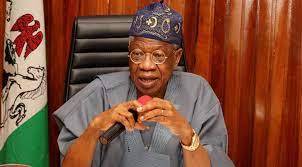
Lai Mohammed, Nigeria's Minister of Information and Culture, claims that rising petroleum prices, such as gasoline, diesel, aviation fuel, and cooking gas, are a worldwide concern that also affects the United Kingdom and the United States.
He said this during a news conference in Abuja, replying to a variety of challenges that have been plaguing the country recently.
"The last problem I want to address is the data being batted about by the opposing side and a segment of the press, comparing the prices of some groceries, gasoline, diesel, and other items pre-2015 and now," Mohammed stated. This misapplication of statistics is clearly nefarious. Those who throw these numbers around without putting them in context are savvy.
Take, for example, the cost of food and gasoline. If you look up the price of food in other nations, particularly the United Kingdom and the United States, you'll see a significant increase. The same may be said regarding the cost of gas or petrol. This increase, we're saying, is a worldwide trend that isn't limited to any one country.
As a result, portraying it as a Nigerian problem is deceptive, deceptive, and a clear act of disinformation. Let me add that the chronic gasoline shortages that have been plaguing the country in recent months have begun to ease as the government's actions take effect.
Nigerians have been dealing with an energy crisis for months, with steep increases in the cost of cooking gas and petrol, as well as power outages.
While petrol became limited, resulting in a price hike, diesel prices skyrocketed from around N250 to almost N750. In addition, the price of 12.5kg of cooking gas has risen from roughly N3,000 to N8,000 in the last year. The energy crisis has had a significant impact on a number of enterprises and families.