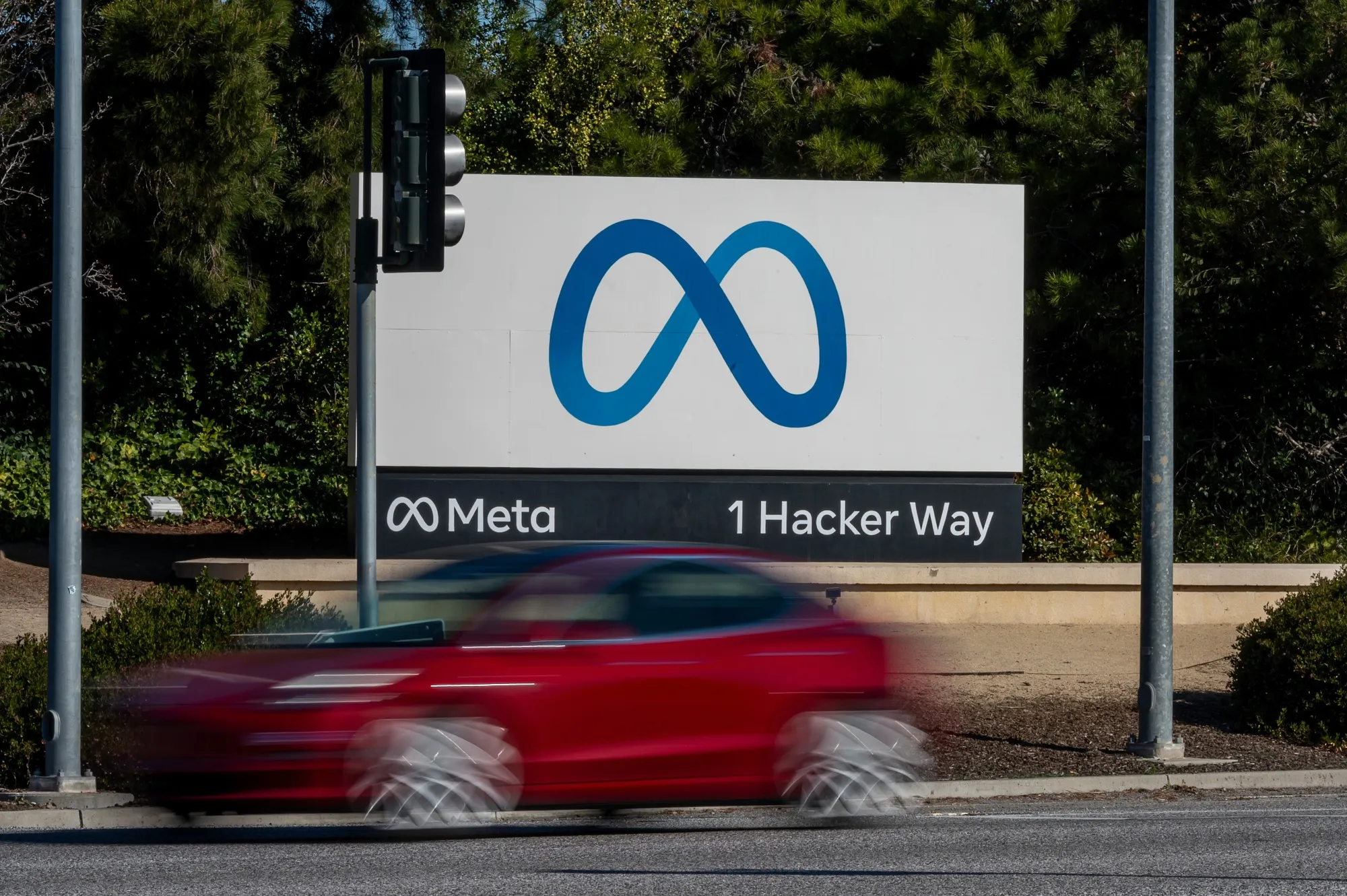
Houston, Texas - Bloomberg Technology has detailed a series of pivotal shifts ranging from massive infrastructure bets to high-stakes legal battles. At the center of this evolution is the deepening alliance between Meta and Nvidia. Meta has officially committed to deploying millions of Nvidia’s AI processors over several years, including the next-generation Blackwell GPUs, Rubin architecture, and Grace CPUs. The move solidifies Meta’s status as Nvidia’s second-largest customer and underscores the massive capital expenditure required to stay competitive in the generative AI race.
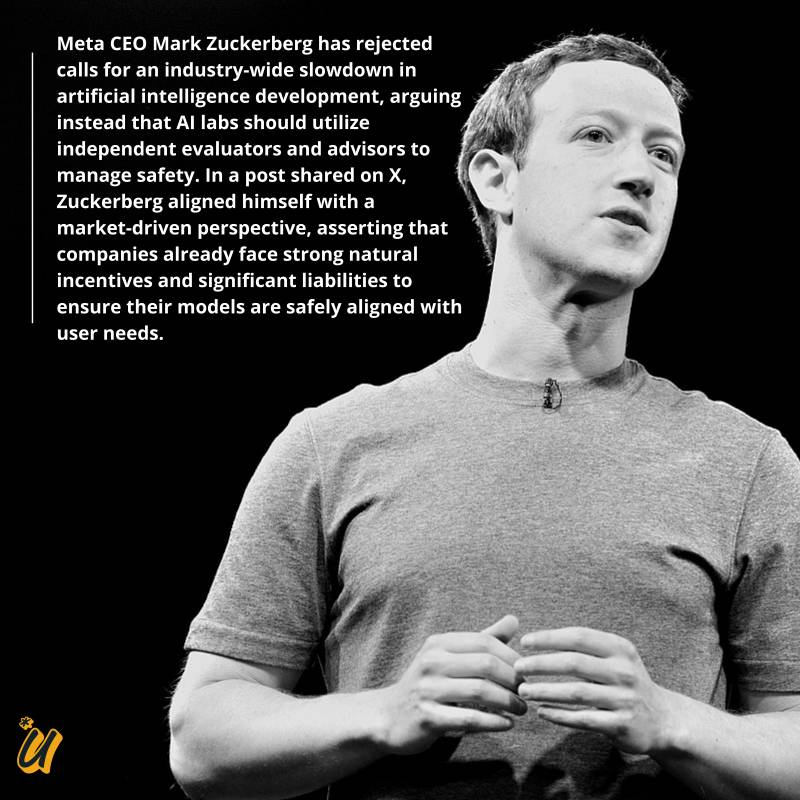
However, Meta’s hardware ambitions are being shadowed by legal scrutiny. CEO Mark Zuckerberg recently provided testimony in a high-profile trial regarding social media addiction. The litigation alleges that platforms owned by Meta and Google’s YouTube were intentionally designed to be addictive to young users. Legal experts have likened the proceedings to a "Big Tobacco moment" for the tech industry, potentially signaling a fundamental shift in how social platforms are regulated and designed.
The investment landscape is also seeing historic movements, particularly in specialized AI applications. Autodesk has announced a $200 million strategic investment in World Labs, marking the company’s largest startup bet to date. The partnership is designed to integrate "world models" and spatial reasoning into Autodesk’s design and manufacturing software, specifically targeting mid-market efficiency. Simultaneously, the Gulf region continues to assert its financial dominance in the sector. Abu Dhabi’s MGX and Saudi Arabia’s Almosafer are funneling significant capital into AI startups, chipmakers, and data centers as part of a broader mission to diversify their national economies away from oil.
In the hardware sector, Apple is reportedly fast-tracking a new suite of AI-integrated wearables. The development pipeline includes smart glasses, a wearable pendant, and AirPods equipped with advanced AI capabilities, signaling that the "AI hardware race" is moving beyond the smartphone. Meanwhile, energy startup Heron Power is tackling the physical constraints of this digital expansion. The company is raising funds to modernize the electricity grid using advanced power semiconductors, aiming to solve the capacity bottlenecks currently hindering massive infrastructure projects.
The space sector is seeing a strategic pivot as well, with Jeff Bezos’ Blue Origin reallocating resources away from space tourism. The company is now prioritizing lunar permanence, focusing on projects that will facilitate a sustained human presence on the moon. This shift reflects a broader trend among private space firms toward long-term infrastructure over short-term commercial flights.
Financially, the industry is navigating a period of volatility. Morgan Stanley’s Global Research Director, Katy Huberty, noted an "indiscriminate selloff" in software and services as investors weigh the disruptive potential of AI against current valuations. To combat these fears, private software firms like McAfee and Rocket Software have taken the unusual step of increasing financial transparency, reporting steady revenues to reassure investors that AI is a tool for growth rather than a catalyst for obsolescence.