NEW YORK — Technology markets experienced a significant realignment today as rapid technological advances, soaring infrastructure costs, and aggressive corporate strategic pivots converged across multiple sectors. From a sharp downturn in global semiconductor stocks to aggressive platform updates by tech giants, the latest coverage on Bloomberg Technology underscores an industry navigating intense competition, massive capital expenditure, and the transformative integration of artificial intelligence.
The semiconductor market stood at the center of the volatility, with the Philadelphia Semiconductor Index tracking toward a five-day losing streak. The sell-off was triggered by dual pressure points hitting hardware investors simultaneously. Reports revealed that Chinese memory maker ChangXin Memory Technologies (CXMT) is advancing aggressive innovation pipelines, stoking fears of shifting global market dynamics and heightened competition. Concurrently, market participants are expressing mounting concern over AI-related capital expenditures, debating whether heavy corporate investments in current-generation hardware risk rapid obsolescence before yielding projected financial returns.
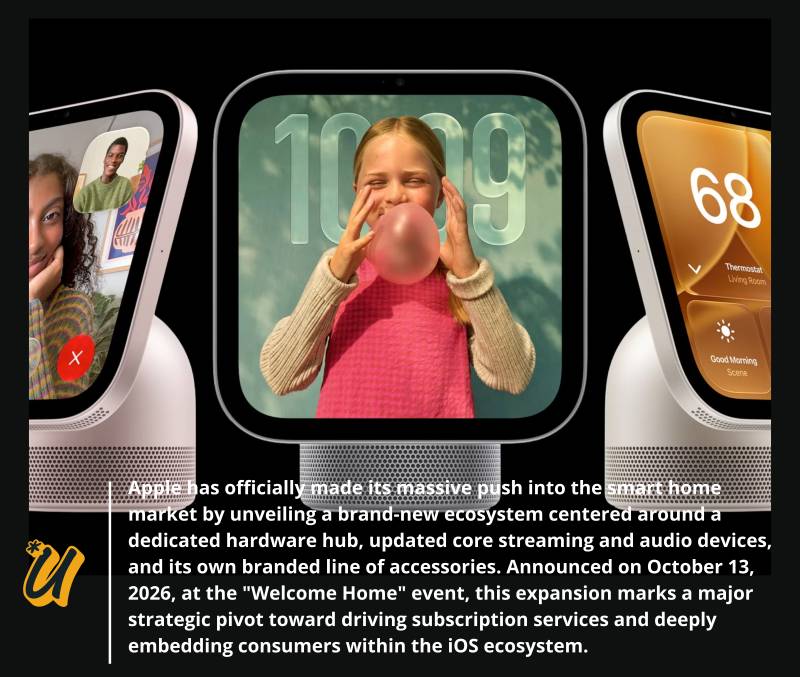
In hardware consumer tech, Apple officially made its move to capture a larger share of the living room, unveiling a new smart home product lineup headlined by the $299 HomeView Hub. Designed to go head-to-head with established market offerings from Amazon and Google, the HomeView Hub features a built-in display alongside advanced multi-user customization. The device leverages facial recognition and personalized software profiles to tailor smart home controls, media, and assistant interactions to individual household members, marking a major step forward in Apple's ecosystem expansion.
Meanwhile, competition in frontier AI models accelerated as Meta released its latest artificial intelligence system, Muse Wonder. Positioning the model as possessing "frontier capabilities," Meta intends to challenge top-tier rivals OpenAI and Anthropic. The strategic target for Muse Wonder lies heavily in powering personalized AI agents capable of executing autonomous, multi-step tasks for consumer and enterprise end-users.
Capital flows toward space technology and orbital assets reached historic heights, with global space economy investments expected to top $100 billion this year for the first time. Driven by high-profile developments including SpaceX's initial public offering plans, investor enthusiasm is being sustained by soaring demand for space-based defense capabilities and critical orbital infrastructure assets.
The physical strain of expanding digital infrastructure became evident in the energy sector as Mainspring Energy announced a substantial agreement with American Electric Power (AEP). The deal, which could reach up to $4 billion, calls for Mainspring to supply modular generators designed to deliver rapid, localized power. The partnership reflects the overwhelming energy demands currently placed on regional grids by fast-growing data center networks.
Finally, the entertainment and gaming sector saw a clear shift in production methodology as Epic Games delayed a highly anticipated video game collaboration with Disney. Internal directives have instructed development teams to pivot toward an "AI-first" workflow, integrating advanced developer tools like Claude into the core build process to accelerate production and reframe traditional game engine pipelines.